Why Solar Energy Has Become Central to Europe’s Climate PlansWhat is a Solar Panel. How Does It Work?
If you’ve noticed more solar panels appearing on rooftops in your area, or read headlines about the EU’s climate targets, you’re picking up on something real. Solar energy has become one of the fastest-growing parts of Europe’s electricity mix, and it hasn’t happened by accident.
The European Green Deal, the EU’s roadmap for becoming climate-neutral by 2050, relies heavily on renewable energy to get there. Solar power plays a major role in that plan, not because it’s fashionable, but because it has become genuinely cost-effective, quick to install, and adaptable to almost any roof, business, or piece of land.
This guide explains how solar energy fits into the EU Green Deal, what’s actually changing for households and businesses across Europe, and what’s worth knowing before you consider solar for your own home or company. We’ll keep the policy explanation simple and focus on what it means in practice, because most readers don’t need a political breakdown, they need to understand what this shift means for their energy bills, their roof, and their next decision.
What Is the EU Green Deal, and Why Does Solar Matter to It?
The European Green Deal is a package of policies introduced by the European Commission with the aim of cutting net greenhouse gas emissions by at least 55% by 2030 compared with 1990 levels, and reaching climate neutrality by 2050. It covers transport, agriculture, industry, and buildings, but energy production sits at the centre of it.
Here’s the practical reason solar carries so much weight in this plan: a large share of the EU’s greenhouse gas emissions come from how electricity and heat are produced. You cannot meet climate targets without changing where that electricity comes from, and solar has turned out to be one of the fastest renewable sources to deploy at scale. Unlike offshore wind farms or new nuclear plants, which can take a decade or more of planning and construction, solar panels can be installed on a warehouse roof or a family home in a matter of days once permits are sorted.
The REPowerEU plan, introduced after the 2022 energy crisis triggered by reduced gas supplies from Russia, pushed this even further. It set out ambitious solar capacity targets for the rest of the decade, treating solar not just as a climate tool but as an energy security measure. When a country generates more of its own electricity from sunlight, it depends less on imported fuel, and that has become just as important politically as the climate angle.
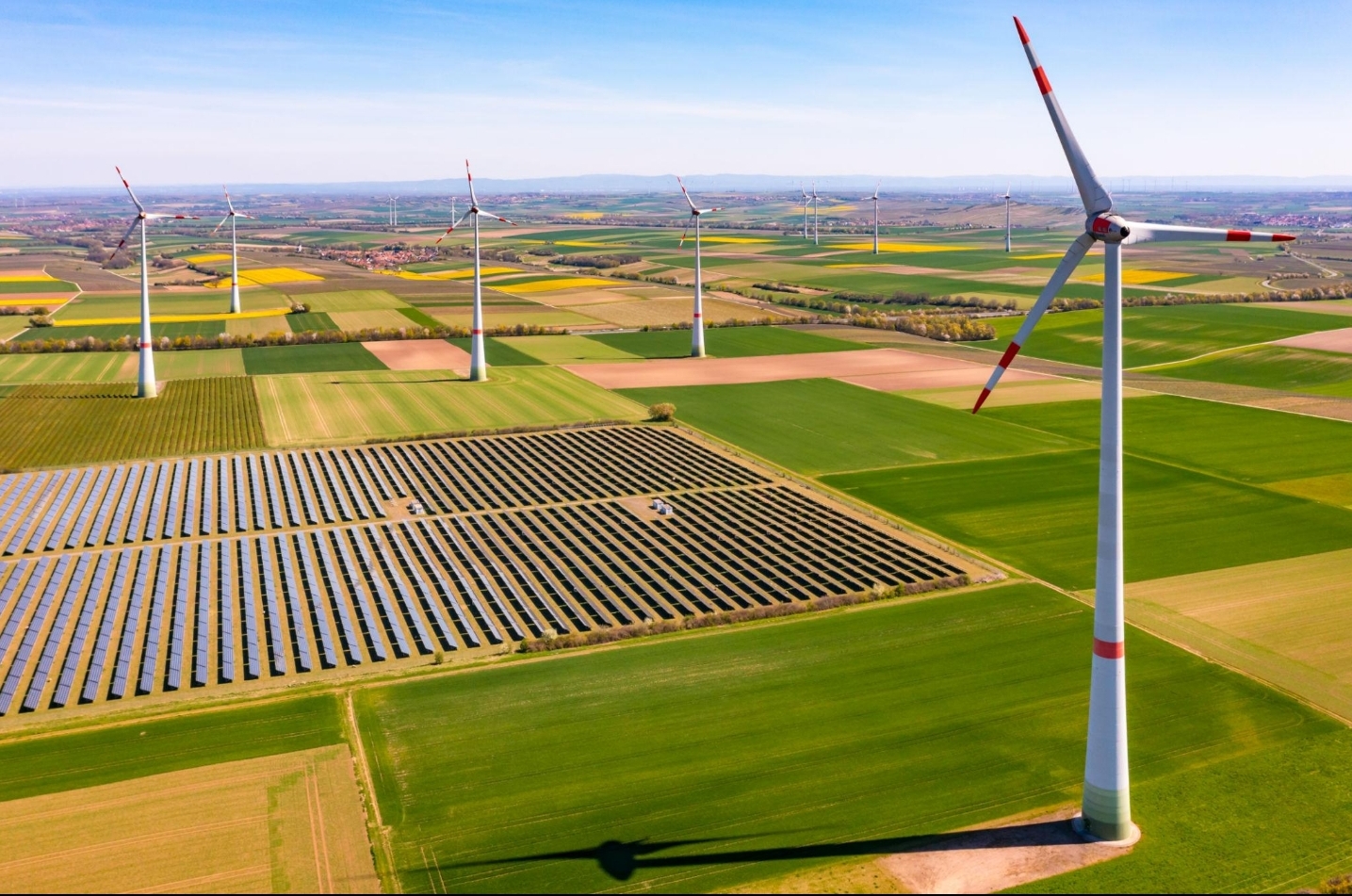
It’s worth being honest about scale here. Solar alone won’t replace every other energy source, and it works best alongside wind, hydropower, grid upgrades, and energy storage. But of all the renewable technologies the EU is betting on, solar is the one that ordinary households and businesses can actually take part in directly, which is part of why it gets so much attention.
How EU Policy Is Changing Solar Adoption for Homes and Businesses
Policy doesn’t always translate into something you’d notice day to day, but in this case, several concrete changes are reshaping how accessible solar has become.
Solar Rooftop Requirements Are Expanding
A number of EU member states have introduced or are phasing in requirements for solar panels on new buildings, and in some cases on certain renovated buildings too. The specifics vary by country. Some apply the rule only to large commercial and public buildings at first, then extend it to new residential construction over several years. Others have moved faster.
If you’re planning a new build or a major renovation, it’s worth checking your local building code early, because retrofitting solar-ready wiring and roof structure after construction is finished costs more than designing for it from the start.
Permitting Is Getting Simpler, Slowly
One of the biggest practical barriers to solar adoption hasn’t been the cost of panels, it’s been the paperwork. Many EU countries have worked on streamlining permits for smaller residential and commercial solar installations, in some cases introducing simplified notification processes instead of full permits for systems under a certain capacity.
This matters more than it sounds. In the past, getting permission for a modest rooftop system could take months and involve multiple government departments. Faster permitting doesn’t just save time, it reduces the administrative cost that installers used to pass on to customers.
Grid Connection Rules Are Being Updated
As more homes and businesses generate their own electricity, local grids need to handle two-way power flow instead of just delivering electricity outward. The EU has pushed member states to modernise grid connection rules, including faster timelines for connecting new solar systems and clearer rules for feeding excess electricity back into the grid.
This is genuinely one of the more technical and slower-moving parts of the transition. Grid upgrades take time and investment, and in some regions, especially ones with a lot of existing solar capacity, new connections can face delays simply because the local grid infrastructure needs reinforcement first. If you’re considering solar, it’s worth asking your installer or local utility about current grid capacity in your area before committing to a system size.
Financial Incentives Vary Significantly by Country
This is where things get genuinely confusing for a lot of people, because EU-wide policy sets direction, but the actual subsidies, tax credits, feed-in tariffs, and net metering rules are decided at the national or even regional level. Germany, Spain, Italy, France, the Netherlands, and Poland all have different incentive structures, and they change fairly often as governments adjust budgets and energy strategy.
The practical takeaway is that you shouldn’t rely on outdated articles or general EU-level summaries when budgeting for a solar installation. Check your national energy ministry’s website or talk to a local installer who deals with current incentive programmes regularly, because what was true two years ago may not be true now.
What This Means for Homeowners Considering Solar
If you’re weighing up whether solar makes sense for your home, the EU Green Deal context is useful background, but your decision should still come down to your specific situation: your roof, your electricity usage, your local climate, and your budget.
Is Your Roof Actually Suitable?
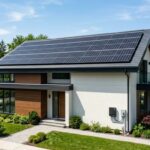
Not every roof is a good candidate for solar, and it’s worth being realistic about this rather than assuming any roof will do. South-facing roofs (in the Northern Hemisphere) generally get the most sun exposure across the day, though east and west-facing roofs can still work reasonably well, just with somewhat lower output. Roofs that are heavily shaded by trees or neighbouring buildings for large parts of the day will produce significantly less electricity than the manufacturer’s rated output suggests.
Roof age and structural condition matter too. If your roof needs replacing within the next five to ten years, it generally makes more sense to handle that first, since removing and reinstalling panels for a roof repair adds unnecessary cost.
How Much Could You Realistically Save?
This depends on three things: how much electricity you use, how much of that you can offset with solar generation, and your local electricity price. In regions with high electricity prices and decent sun exposure, payback periods often land somewhere in the range of seven to twelve years, though this varies a lot by country, system size, and available incentives. In places with lower electricity prices or limited incentive schemes, payback can take longer.
A genuinely useful exercise before committing is to look at twelve months of your actual electricity bills, not just a single month, because usage and solar output both shift significantly across seasons. A good installer should be able to give you a realistic, season-adjusted estimate rather than a single average figure.
What About Battery Storage?
Solar panels generate electricity when the sun is out, which doesn’t always match when you actually use the most power, especially in the evening. Battery storage lets you store daytime generation for use later, which can meaningfully increase how much of your own solar electricity you actually use rather than feeding back into the grid at a lower rate.
That said, batteries add a meaningful amount to the upfront cost, and whether they make financial sense depends heavily on your country’s net metering or feed-in tariff rules. In places where the grid pays a reasonable rate for excess solar electricity, a battery may not pay for itself quickly. In places where feed-in rates are low, a battery can make a much bigger difference. This is a case-by-case calculation, not a one-size-fits-all answer.
Common Concerns Worth Addressing Honestly
A few worries come up constantly when people consider solar, and they deserve straightforward answers rather than marketing spin.
Will it really work on a cloudy day? Yes, though at reduced output. Solar panels still generate electricity in overcast conditions, typically somewhere between 10% and 25% of their rated capacity depending on cloud density, just not the full output you’d get on a clear day.
Do panels need a lot of maintenance? Generally, no. Most residential systems need only occasional cleaning and a periodic inspection. There are no moving parts in the panels themselves, which is part of why warranties commonly run 20 to 25 years.
What happens during a power cut? A standard grid-connected solar system without battery storage will usually shut off during a grid outage for safety reasons, so it won’t power your home on its own. If backup power during outages matters to you, that’s a system design conversation to have upfront, since it usually requires a battery and specific inverter setup.
A Realistic Example: What a Household Solar Decision Looks Like in Practice
Numbers tend to mean more when they’re attached to a real situation rather than a generic estimate, so it helps to walk through how a household might actually approach this decision.
Picture a family in a country with moderate solar exposure and average European electricity prices, living in a four-bedroom home with a south-facing roof and no significant shading. Their annual electricity consumption sits around 4,500 kWh, which is fairly typical for a household that doesn’t yet use electric heating or an electric vehicle.
An installer assessing this roof might recommend a system somewhere in the 4 to 6 kW range, sized to cover a meaningful share of that annual usage rather than all of it, since oversizing a system without battery storage often means giving away a lot of electricity to the grid at a lower rate than it costs to buy it back. Depending on local pricing, a system of that size might cost somewhere in the range of a mid-sized home renovation project, before any national incentive is applied.
The honest answer about return on investment is that it depends on three moving parts: how much of the incentive scheme is still active when they install, how electricity prices behave over the following decade, and how much of their own solar generation they actually use directly versus exporting to the grid. A household that shifts dishwasher, laundry, and EV charging to daytime hours when the sun is generating will typically get more value from the same system than one that uses most of its electricity in the evening.
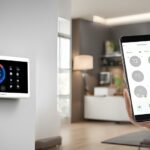
This is also where the home automation angle becomes genuinely useful rather than just a nice-to-have. Smart scheduling for appliances, EV chargers, and heating systems can shift consumption to match solar generation automatically, without the household having to think about it daily. That’s a meaningfully different outcome than installing solar panels alone and hoping usage patterns happen to line up.
The broader point here isn’t to suggest this example applies to every household, because it won’t. It’s to illustrate that a sensible solar decision involves looking at actual consumption data and realistic system sizing, not just headline payback periods quoted in marketing material.
Comparing Solar Incentive Approaches Across a Few EU Countries
Because national policy varies so much, a side-by-side comparison can help illustrate just how differently EU countries have approached solar incentives, even while working toward the same Green Deal targets. The figures below are illustrative of the type of differences that exist rather than precise current figures, since incentive schemes change frequently and should always be verified directly before making a decision.
| Country | General Incentive Approach | Notable Consideration |
|---|---|---|
| Germany | Feed-in tariffs plus self-consumption incentives | One of the most mature solar markets in Europe, with well-established installer networks |
| Spain | Regional subsidies plus strong natural solar resource | Incentive availability can vary significantly by autonomous region |
| Netherlands | Net metering arrangements, gradually being phased down | Strong residential uptake despite a cloudier climate |
| Poland | National grant programmes alongside EU funding support | Rapid growth in recent years, with policy still evolving |
| France | Feed-in tariffs and self-consumption bonuses | Programmes differ for residential versus larger commercial systems |
The pattern worth noticing isn’t which country has the “best” incentive, since that changes constantly and depends on individual circumstances. It’s that every approach reflects a different balance between encouraging fast adoption and managing the cost to public budgets, and that balance shifts over time as adoption grows. This is exactly why checking current, country-specific information before installing is more useful than relying on any general comparison, including this one.
How Solar Fits Into a Broader Smart Home Energy Strategy
Solar panels generate electricity, but how that electricity gets used, stored, and managed is increasingly where the real value sits, particularly as homes add more connected devices, electric vehicles, and smart thermostats.
Smart Inverters and Real-Time Monitoring
Most modern solar installations now include a smart inverter that does more than convert direct current to alternating current. These inverters typically provide real-time monitoring through an app, showing generation, consumption, and export figures throughout the day. This visibility matters because it helps households understand their actual usage patterns rather than guessing, which in turn makes it easier to identify simple changes, like shifting laundry to early afternoon, that improve how much solar electricity gets used directly.
Automation That Responds to Generation, Not Just Time of Day
Basic timers that run appliances at a fixed hour are a reasonable starting point, but more advanced home automation systems can respond dynamically to actual solar output. For example, a system might only start an EV charger once generation exceeds a certain threshold, then pause charging if a cloud passes over and output drops, resuming once generation recovers. This kind of responsive automation typically captures more value from a solar system than fixed scheduling alone, particularly on days with mixed sun and cloud.
Where AI-Based Energy Management Adds Genuine Value
Artificial intelligence has become a meaningful part of home energy management, mainly through systems that learn a household’s usage patterns over weeks or months and adjust accordingly. Rather than a household manually figuring out the best time to run a heat pump or charge a battery, a learning system can predict likely solar output for the next day, based on weather forecasts, and pre-schedule consumption to match it as closely as possible.
It’s worth being measured about this rather than overselling it. AI-based energy management generally improves efficiency at the margins, often making a noticeable but not dramatic difference, and the size of that benefit depends heavily on how variable a household’s energy use already is. A household with very consistent, predictable usage will see less benefit from predictive automation than one with more variable patterns, such as frequent EV charging or seasonal heating and cooling needs.
For most households, the practical starting point is simpler than a fully AI-managed system: accurate monitoring, sensible system sizing, and shifting a few major loads to daylight hours captures the bulk of the available benefit. More advanced automation can then be layered on once the basics are in place.
What This Means for Businesses and Commercial Properties
Commercial solar adoption has accelerated for slightly different reasons than residential adoption, and it’s worth understanding the distinction.
Larger Roofs, Better Economics
Warehouses, factories, retail centres, and office buildings often have large, flat, unshaded roof space, which is close to ideal for solar. Commercial electricity usage during daylight hours, when offices and operations are running, also tends to line up well with solar generation, which improves the economics compared with some residential setups where peak usage happens in the evening.
Corporate Sustainability Reporting Is Pushing Adoption
Separate from the Green Deal itself, the EU’s Corporate Sustainability Reporting Directive has pushed a growing number of companies to report on their energy use and emissions in detail. For businesses that fall under these requirements, on-site renewable generation, including solar, is a direct, measurable way to improve those numbers rather than relying entirely on offsets or green energy purchase agreements.
Financing Options Have Matured
Power purchase agreements and solar leasing arrangements have become more common across European commercial markets, allowing businesses to install solar with little or no upfront capital, paying instead through a long-term agreement that’s often still cheaper than their current electricity costs. This has lowered the barrier for businesses that want the benefits of solar without a large initial outlay, though as with residential incentives, terms vary significantly by country and provider, so it’s worth comparing more than one offer.
Solar Energy and Energy Independence: The Bigger Picture
Beyond individual savings, there’s a broader reason solar has become such a policy priority: energy independence. The 2022 energy crisis exposed how vulnerable parts of Europe were to disruptions in imported gas supply, and it accelerated political appetite for energy sources that don’t depend on a single supplier or region.
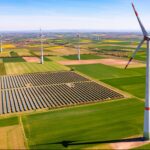
Solar, alongside wind, gives countries a way to generate a meaningful share of their electricity domestically. This doesn’t eliminate the need for grid imports, backup generation, or storage, especially during winter months when solar output drops in much of Europe, but it does reduce exposure to the kind of supply shocks that drove energy prices sharply higher in 2022.
It’s also worth noting that solar manufacturing itself has become a policy concern. A large share of solar panel manufacturing capacity globally is concentrated outside Europe, and the EU has introduced initiatives aimed at growing domestic solar manufacturing, partly for economic reasons and partly to reduce dependency in the supply chain itself, not just in energy generation.
Challenges That Are Still Being Worked Through
A genuinely useful article shouldn’t pretend everything about this transition is smooth, because it isn’t, and being upfront about the rough edges builds more trust than glossing over them.
- Grid capacity remains a real bottleneck. In regions where solar adoption has grown quickly, some grids are struggling to absorb the additional generation without upgrades, occasionally leading to connection delays or, in a few documented cases, temporary curtailment of solar exports during peak generation hours. This isn’t a flaw in solar itself, it’s a sign that infrastructure investment hasn’t always kept pace with how quickly households and businesses have adopted the technology.
- Skilled installer shortages have appeared in several countries as demand has outpaced the number of certified electricians and solar technicians available to do the work properly. This has, in some regions, led to longer waiting lists and, in a smaller number of cases, rushed or substandard installations by less experienced crews trying to keep up with demand.
- Incentive schemes can change or end with little warning, which creates genuine uncertainty for households trying to plan a purchase. A subsidy that looks attractive when you start researching solar may be reduced or restructured by the time you’re ready to sign a contract, which is part of why timing and up-to-date information matter so much in this space.
- Supply chain dependency, mentioned earlier in the context of manufacturing, also affects component availability for inverters, batteries, and certain panel types, occasionally causing delays of weeks rather than days when specific equipment is back-ordered.
None of these challenges suggest the shift toward solar is failing, they’re simply the normal friction that comes with scaling any technology quickly across dozens of different national systems, regulatory frameworks, and electricity markets at once. Most of these issues tend to ease as grid operators, installers, and policymakers catch up with demand, though the timeline for that varies by country and even by region within a country.
How Long Do Solar Panels Actually Last, and What Happens When They Wear Out?
One question that doesn’t come up as often as it should, given how long-term a solar investment is, concerns the full lifecycle of the system: not just installation, but degradation, repair, and eventual replacement.
Most crystalline silicon panels, which make up the large majority of residential and commercial installations across Europe, are rated to retain around 80 to 85% of their original output after 25 years, which is why warranties are typically structured around that timeframe. In practice, many panels continue producing usable electricity well beyond their warranty period, just at a gradually reduced capacity. Degradation tends to follow a fairly predictable curve, usually somewhere around 0.3% to 0.5% loss in output per year, with a slightly steeper drop in the first year or two as the panels settle into normal operation.
Inverters, by contrast, generally have a shorter lifespan than the panels themselves. String inverters typically need replacing somewhere between year 10 and year 15, while the newer generation of microinverters and power optimisers, which are installed individually behind each panel rather than as a single central unit, often come with longer warranties and tend to fail less catastrophically when something does go wrong, since a single faulty unit only affects one panel rather than an entire string.
Batteries, where installed, generally have the shortest practical lifespan of the three main components, with most lithium-based home battery systems rated for somewhere between 6,000 and 10,000 charge cycles, which in everyday terms tends to work out to roughly 10 to 15 years of regular use before capacity has degraded enough to warrant replacement or supplementation.
It’s worth factoring these replacement timelines into any long-term cost calculation rather than assuming the upfront price is the only cost you’ll face over the system’s working life. A homeowner planning around a 25-year panel lifespan should reasonably expect at least one inverter replacement and, if they’ve installed a battery, possibly one battery replacement or capacity top-up somewhere along the way.
What Happens to Old Solar Panels? The Recycling Question
As the first large wave of European residential solar installations from the early 2010s approaches the end of its working life, panel recycling has moved from a theoretical concern to an active policy issue, and it’s one worth understanding if you’re thinking long-term about the environmental case for solar.
Under EU waste electrical and electronic equipment rules, solar panel manufacturers and importers are required to fund the collection and recycling of panels at the end of their life, which means homeowners and businesses generally aren’t left covering disposal costs out of pocket. In practice, this typically works through producer responsibility schemes that panel manufacturers pay into when the equipment is first sold.
The recycling process itself has improved considerably over the past decade. Modern recycling facilities can recover the large majority of a panel’s material by weight, including the aluminium frame, the glass covering, and a meaningful share of the silicon and metal components inside, though some elements, particularly certain rare materials used in smaller quantities, remain more difficult and costly to recover efficiently. This is an area where the technology is still developing, and recovery rates are expected to keep improving as the volume of panels reaching end-of-life grows and recycling facilities scale up accordingly.
For a household installing solar today, this isn’t an immediate practical concern, since panels installed now won’t typically need replacing for two and a half decades. But it’s a reasonable question to ask an installer about, particularly regarding which manufacturer’s take-back or recycling commitments apply to the specific panels being proposed for your installation.
Questions Worth Asking Before You Sign a Contract
Whether you’re a homeowner or a business owner, the difference between a good solar experience and a frustrating one often comes down to the questions asked before any contract is signed, rather than problems discovered afterward.
It’s worth asking an installer directly about their projected output figures and how they were calculated, specifically whether the estimate accounts for your roof’s actual orientation, pitch, and any shading, rather than a generic average for your region. A reputable installer should be able to walk you through the assumptions behind their numbers rather than simply presenting a final figure.
It’s also worth clarifying what happens if the system underperforms relative to the original estimate, including whether there’s any performance guarantee in place and what remedy is available if output falls meaningfully short over an extended period. Similarly, ask what warranty coverage applies separately to the panels, the inverter, and the installation labour itself, since these often come from different parties and run for different lengths of time.
For anyone considering battery storage or backup power during outages, it’s worth confirming in writing exactly what the system will and won’t do during a blackout, since the assumption that any solar system provides backup power is one of the more common misunderstandings homeowners run into after installation rather than before.
Finally, it’s reasonable to ask for references from past customers with a similar roof type, system size, or building use case, and to follow up with at least one of them directly. Marketing material and sales conversations rarely surface the kind of practical detail that an existing customer, a year or two into ownership, can offer about how the system has actually performed.
Looking Ahead: Where Solar in Europe Goes From Here
The trajectory for solar across Europe over the next several years looks set to continue in roughly the same direction it has been heading, shaped by the same combination of falling technology costs, EU climate targets, and the lingering political memory of the 2022 energy crisis.
Continued cost reductions in panel manufacturing, alongside improvements in battery technology and pricing, are likely to keep gradually shortening payback periods even in countries where direct subsidies are scaled back over time. At the same time, grid modernisation efforts, while slower than the pace of panel installation itself, are expected to steadily reduce the connection delays and curtailment issues that have emerged in some of the fastest-growing solar markets.
For households and businesses considering solar today, the broader policy direction set by the Green Deal provides a reasonably stable backdrop, even as the specific incentive details continue to shift from year to year and country to country. The fundamentals that matter for an individual decision, a suitable roof, realistic consumption data, a trustworthy installer, and accurate expectations about cost and savings, remain the same regardless of which way EU-level policy moves next.
Solar isn’t a complete answer to Europe’s energy and climate challenges on its own, and treating it that way would be misleading. But as one part of a broader shift that includes wind, grid storage, and more efficient buildings, it has earned its place at the centre of the conversation, not through political enthusiasm alone, but because the practical case for it, on cost, on installation speed, and on energy independence, has continued to hold up under scrutiny.