A Complete 2026 Guide
If you have been paying attention to your electricity bill lately you have probably thought about power at least once. Maybe a neighbor just had Solar Panels installed or you saw an ad promising bills or perhaps you are simply curious about how those flat dark Solar Panels on rooftops actually manage to turn sunshine into something you can use to charge your phone or run your air conditioner.
Whatever brought you here you are in the place. This guide is going to walk you through everything. What a Solar Panel actually is, the science that makes it tick the different types you will come across when shopping around what it might cost you and what the installation process actually looks like once you decide to move. No complicated words, no sales talk. A clear honest breakdown written for 2026.
What is a Solar Panel?
Lets start with the basics. A Solar Panel is essentially a device built from dozens of smaller pieces called solar cells and its job is to grab sunlight and turn it into electricity you can actually use. Most of these cells are made from silicon. Yes the element found in sand and computer chips. Because silicon has a unique property: when light hits it it reacts by releasing electrons and that movement of electrons is what we call electricity.
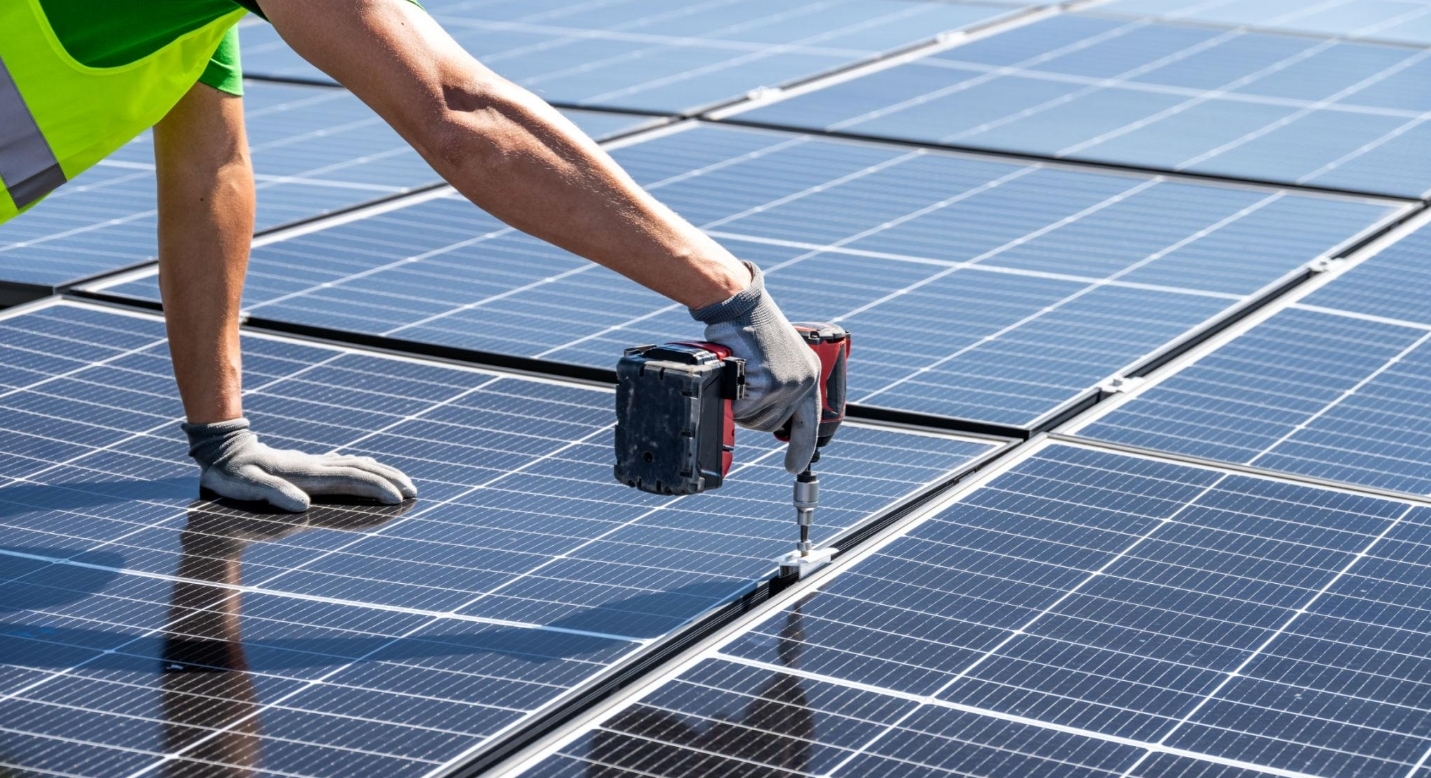
You will often hear Solar Panels called “photovoltaic panels” or just “PV panels” for short. Break that word down. It makes perfect sense. “Photo” relates to light and “voltaic” relates to electricity. Put them together. You get a device that literally converts light into electrical power.
Whats interesting is how far Solar Panel technology has come. Early solar cells were expensive, fragile and not very efficient. Todays Solar Panels are built to survive hailstorms6 heavy snow, scorching heat and decades of sun exposure. Most manufacturers back their Solar Panels with 25-year warranties. Many continue producing power well beyond that.
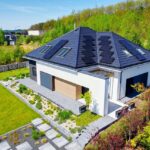
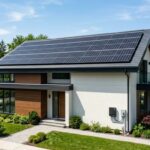
You will find Solar Panels in all kinds of places: bolted onto rooftops mounted on ground-based frames in fields floating on reservoirs and even built directly into roofing tiles or window glass in some newer buildings. The flexibility of where Solar Panels can go is part of why solar has spread quickly across residential neighborhoods and commercial properties alike.
At a bigger-picture level Solar Panels represent something of a revolution. For most of history electricity generation meant burning something. Coal, gas, oil. Solar flips that on its head by tapping into a resource thats already raining down on us for free every day.
How Do Solar Panels Work?
Okay,. How does this actually happen? Lets slow it down a bit. Sunlight isn’t just “light” in some sense. Its made up of tiny packets of energy called photons constantly streaming down from the sun. When these photons land on the surface of a Solar Panel they don’t just bounce off harmlessly. They actually transfer their energy into the silicon material inside the cell.
That transferred energy is enough to knock electrons from their atoms. Once those electrons are free they start moving.. A flow of moving electrons is, by definition, an electric current. That’s the moment where sunlight becomes electricity and its happening continuously across every cell in the Solar Panel all day long.
Here’s the general sequence, broken down step by step so its easy to follow:
How Does a Solar Panel Work?
Here’s the general sequence, broken down step by step so it’s easy to follow:
- Sunlight strikes the Solar Panel and gets absorbed by the silicon cells inside.
- The energy from the sunlight frees up electrons, setting them into motion.
- This movement creates direct current (DC) electricity, a steady one-directional flow.
- An inverter then converts that direct current into alternating current (AC), which is the type of electricity used by your home’s outlets and appliances.
- From there, the AC electricity either powers your lights, refrigerator, laptop charger, and other devices, or if you’re generating more energy than you need, the excess power is sent back to the grid.
One thing people often ask is whether Solar Panels stop working when it’s cloudy. Not entirely. Solar Panels can still capture diffused sunlight under cloud cover, although at a lower output than on clear sunny days. Rain, haze, and overcast conditions reduce production, but they don’t shut the system down completely.
Of course, Solar Panels do not generate electricity at night, which is why battery storage has become such a popular addition to modern solar systems.
Key Components of a Solar Panel System
A Solar Panel by itself doesn’t do much. It needs several supporting components to transform sunlight into usable electricity for your home. Here are the key parts of a residential solar setup:
- Solar Cells: The fundamental building blocks made from silicon that convert sunlight into electricity.
- Solar Panel: Multiple solar cells connected together, sealed beneath protective glass, and mounted within a durable frame.
- Inverter: Converts the DC electricity generated by the panels into AC electricity that household appliances can use.
- Mounting Hardware: The structure that secures Solar Panels to the roof or ground at the optimal angle for sunlight exposure.
- Battery Storage: Stores excess energy generated during the day for use at night or during power outages.
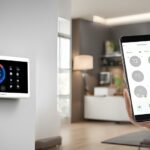
- Monitoring System: A dashboard or mobile app that tracks energy production and consumption, often in real time.
Every component plays an important role. A low-quality inverter can reduce efficiency, while skipping a monitoring system makes it difficult to know whether your solar investment is performing as expected.
Together, these components create a reliable system that quietly generates clean energy for years.
Types of Solar Panels: Monocrystalline vs Polycrystalline vs Thin-Film
When researching solar energy, you’ll quickly come across three main Solar Panel types: Monocrystalline, Polycrystalline, and Thin-Film.
While all three convert sunlight into electricity, they differ in manufacturing methods, appearance, efficiency, durability, and overall cost.
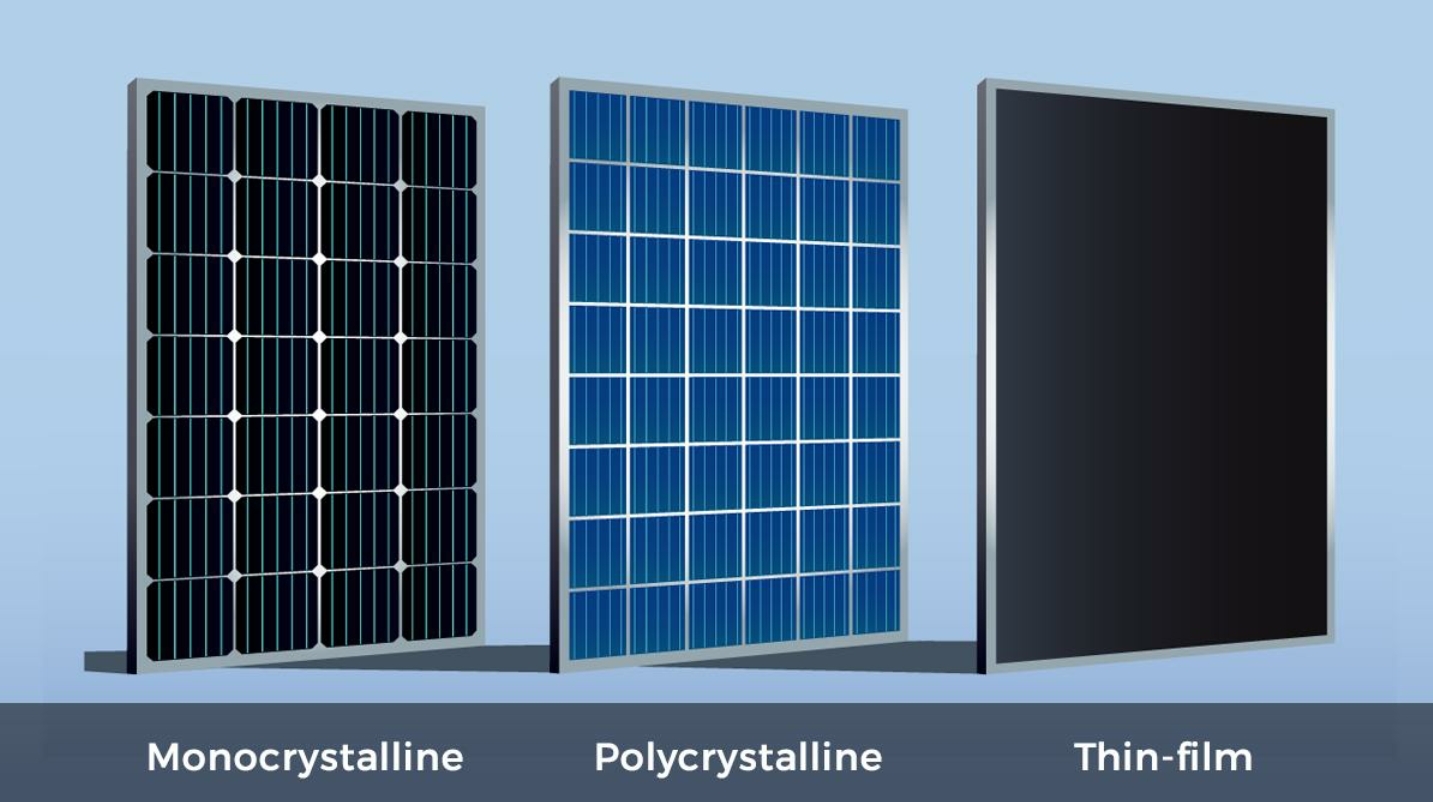
Monocrystalline Solar Panels are cut from a pure crystal of silicon. Think of it almost like slicing a loaf of bread from one uniform block. This gives them a uniform black look and the highest efficiency ratings on the market. They’re pricier. If your roof space is limited and you want to squeeze as much power as possible out of every square foot these tend to be the go-to choice.
Polycrystalline Solar Panels on the hand are made by melting together multiple silicon fragments rather than using one pure crystal. The result is a Solar Panel with a speckled bluish appearance and a somewhat lower efficiency than monocrystalline. But also a noticeably friendlier price tag. For homeowners working with a budget and plenty of roof space to work with polycrystalline often makes a lot of sense.
Thin-film Solar Panels are the wildcard of the group. Of rigid silicon wafers they’re made by layering photovoltaic material onto a flexible surface like glass, metal or plastic. They’re lightweight, bendable and generally cheaper to produce.. They also tend to be the least efficient of the three. You’ll see these used often in large commercial installations, portable solar setups or situations where weight and flexibility matter more than squeezing out maximum efficiency.
So which one should you pick? Honestly it comes down to your situation. How much roof space you have, your budget, your local climate and even how much you care about the way the Solar Panels look on your roof. There’s no best” option, just the one that fits your circumstances best.
The Photovoltaic Effect: Converting Sunlight into Electricity
We touched on this earlier but its worth digging a little because the photovoltaic effect is really the heart of the whole Solar Panel technology. This phenomenon was first observed back in the 1800s long before anyone imagined it would one day power homes. It describes how certain materials produce a voltage or electrical potential simply by being exposed to light.
Inside a cell silicon is treated. Or “doped”. With small amounts of other elements to create two distinct layers. One layer ends up with electrons and the other ends up with a shortage of electrons. Where these two layers meet something called a P-N junction forms. This junction is essentially the engine room of the cell.
When sunlight hits this junction the energy from the photons frees up electrons. But because of how the junction’s structured those freed electrons can’t just wander randomly. They’re pushed in one specific direction. That directional push is exactly what creates an electric current rather than just random electron movement that would cancel itself out.
Thin metal strips on the surface of the cell collect this current. Funnel it out through wiring, where it eventually makes its way to the inverter and beyond. Whats remarkable is that this whole process involves zero moving parts. No engines, no turbines, nothing spinning or burning. It’s just light, silicon and physics working together.
Benefits of Using Solar Panels in 2026
So why are many people making the switch right now? A years ago solar felt like a niche choice, for eco-conscious early adopters. These days it’s mainstream.. The reasons go well beyond just “being green”.
- You can save money on your electricity bills when you generate your own power with solar panels. This means you buy power from the utility company. For households this adds up to big savings every month.
- Solar panels are good for the environment. They make electricity without burning fuel or releasing things into the air. This makes a difference when you think about how many people are using them.
- With panels you have more control over your energy. If you pair your panels with a battery you do not have to rely on the grid much. This is useful when the power is out or when prices go up.
- Solar panels can increase the value of your home. More and more buyers think solar panels are a thing, not a bad thing. Homes with panels often sell faster and for more money.
- There are incentives that can help with the cost of panels. You can get rebates, credits and special financing programs. These things make the upfront cost less scary.
- Once your solar panels are installed you do not have to do much to take care of them. You just need to clean them and check on them every now and then.
None of this means that solar panels are perfect for everyone. Your roof, the sun in your area and how much energy you use all play a role in how much you will benefit from panels.. For more and more households solar panels are a good choice.
Solar Panel Efficiency and Factors That Affect Performance
When we talk about “efficiency” with panels we are talking about how much sunlight they can turn into usable electricity. Most solar panels are between 15% and 22%. The good ones are usually around 22% efficient.
The efficiency rating is just the starting point. How well your solar panels work depends on a lot of things too:
- How much direct sunlight they get. The more sunlight, the power they make.
- The angle and direction they are facing. If they are facing the way they make more power.
- The temperature. If it gets too hot they do not work well.
- Shade from trees or buildings. This can reduce how power they make even if it is just a little bit of shade.
- How old and good the solar panels are. Better panels work well for longer.
The point is that two identical solar panels can work differently depending on where and how they are installed. A good installer will think about all of these things when they design your system. They will not just put the panels on your roof.
How Much Do Solar Panels Cost in 2026?
Lets talk about money. The cost of panels is usually the thing that people care about the most. The good news is that solar panels have gotten a lot cheaper over the past decade. They are more affordable now than they used to be.
There is no one answer to how much they cost. It depends on how a system you need what kind of panels you choose, where you live and what incentives you can get. Some places still offer tax credits and rebates that can reduce the upfront cost.
A few things that can affect the price:
- How big the system is. This is usually measured in kilowatts, based on how electricity you use.
- What kind of panels you choose. Some panels cost more than others.
- How hard the installation is. This depends on your roof. How easy it is to get to.
- If you add battery storage. This increases the price. It also gives you backup power and flexibility.
For people the system pays for itself through savings on their electricity bills within a few years. After that they are basically getting electricity for the rest of the life of the panels, which can be 15-20 years or more.
Solar Panel Installation: What to Expect
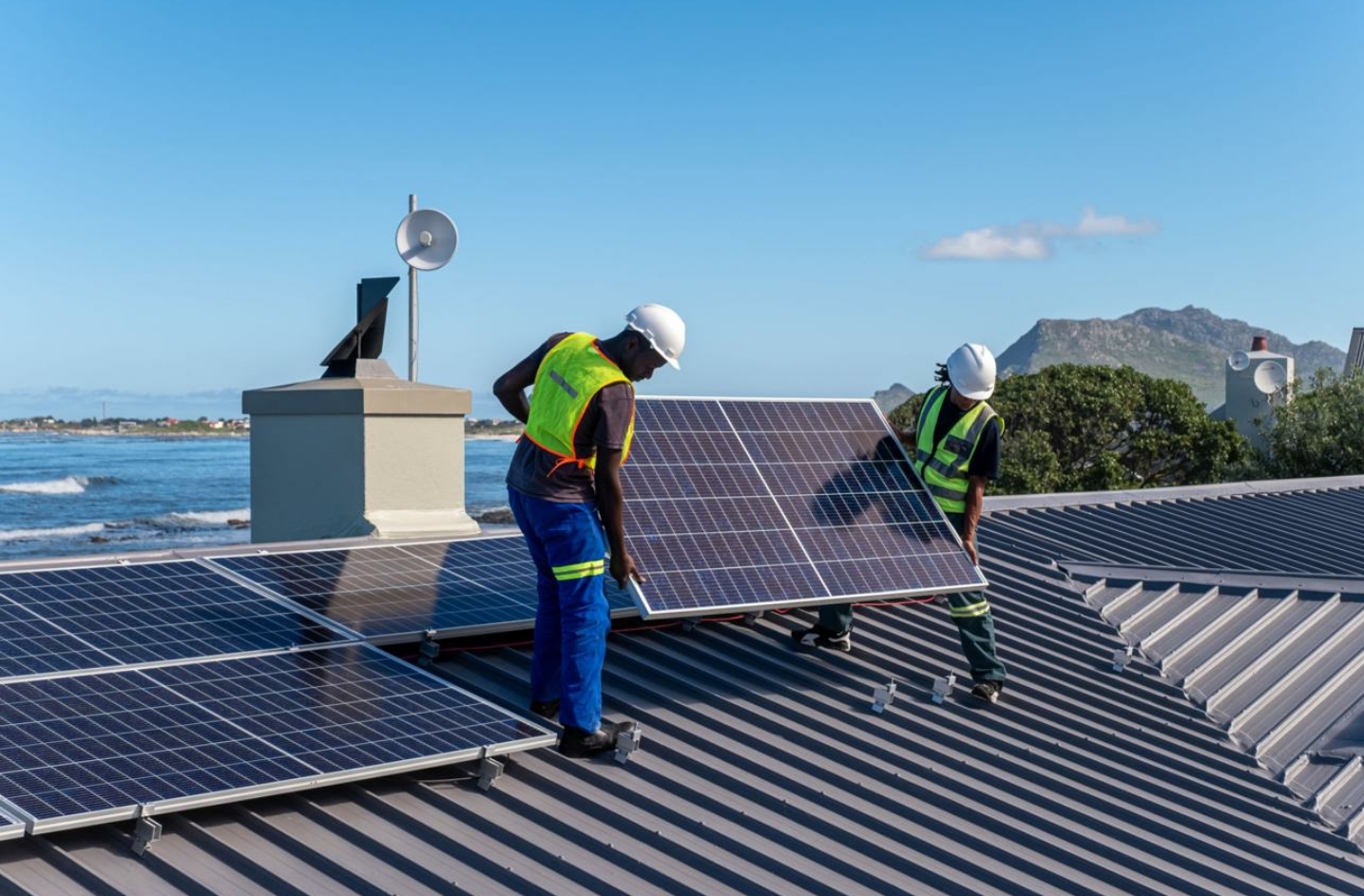
If you decide that solar panels are right for you you might wonder what happens next. Here is what usually happens:
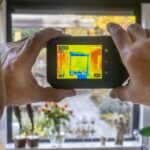
- A technician comes to your house to check your roof and see how sun it gets.
- They design a custom system based on your energy needs.
- They get the permits and approvals from the local government and your utility company.
- A crew installs the panels. Connects them to the grid. This usually takes one to three days.
- They do an inspection and turn on the system.
From the day you sign the contract to the day your solar panels start working it can take a weeks to a few months. It depends on how the permits and approvals go through.
Do solar panels require a lot of maintenance?
Not really. Solar panels have no moving parts, so maintenance is minimal. Keeping them reasonably clean and having the system inspected occasionally is usually enough to ensure reliable performance.
Do solar panels work during winter?
Yes. Solar panels generate electricity from sunlight, not heat. As long as daylight reaches the panels, they can produce power even in cold weather, although shorter days may reduce total energy output.
What happens if there is a power outage?
Most standard grid-connected solar systems automatically shut down during a power outage for safety reasons. If your system includes battery storage or a backup power setup, you can continue running selected appliances.
Can installing solar panels increase my home’s value?
In many cases, yes. Homes with well-installed solar systems are often more attractive to buyers because they offer lower electricity costs and improved energy efficiency, which can increase resale value.
j