If you have opened your power bill and felt that familiar shock of “wait how did it get this high again?”. You are not alone. Electricity rates have gone up everywhere over the past few years and most households are paying for energy they do not even realize they are using.
The good news is that you do not need to install panels or replace every appliance in your house to see a real difference. Most of the savings come from consistent changes. The kind that take five minutes to set up and keep paying you back every single billing cycle.
In this guide we will walk through ten ways to lower your electricity bill starting with the changes that cost nothing and moving toward the ones worth a small upfront investment. Whether you are renting an apartment or own a house with air you will find something here that fits your situation. Let us get into it.
Why Your Electricity Bill Keeps Climbing
Before jumping into the tips it helps to understand where the money is actually going. Most people assume their bill goes up because they are “using more “. Often it is a combination of smaller factors stacking up.
Heating and cooling typically account for the chunk of a homes energy use. Often somewhere between 40% and 50% of the total bill depending on your climate and how well-insulated your home is. After that water heating, appliances, lighting and electronics split the rest evenly.
What changes year to year is not usually your behavior. It is things like:
- Utility rate increases
- Aging appliances that quietly lose efficiency
- temperature swings that push your HVAC system harder
- “Phantom load” from devices that draw power even when turned off
Once you know where the usage is concentrated it becomes much easier to prioritize which changes will actually move the needle versus which ones are more about peace of mind than real savings.
1. Adjust Your Thermostat
This is the highest-impact lowest-effort change most households can make. Heating and cooling dominate your energy use so even a one or two degree adjustment makes a difference over a month.
A used rule of thumb from energy efficiency programs suggests that for every degree you lower your thermostat in winter. Or raise it in summer. For an eight-hour period you can save roughly 1% on your heating or cooling costs. That might not sound like much on its own. Stack it across a full season and it becomes a noticeable line item.
Practical settings to aim for:
- Winter: 68°F while you are home and active lower by 7–10 degrees while sleeping or away
- Summer: 78°F while you’re home higher when away
If a few degrees feels uncomfortable at first give it a week. Most people adjust faster than they expect especially if they pair it with a ceiling fan in summer or a warm layer in winter.
Real-world example: A reader in a two-bedroom apartment who switched from 72°F to 68°F in winter and used a setback at night reported a noticeable drop on their next bill.. It was not a dramatic lifestyle change, just a setting adjusted once.
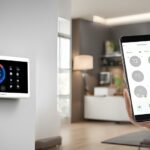
If you do not already have one, a programmable or smart thermostat can automate this entirely so you are not relying on willpower to remember.
2. Seal Air Leaks and Improve Insulation
Here is something a lot of people overlook: you can have the efficient heating and cooling system in the world and it will not matter much if warm or cool air is leaking straight out of your home.
The areas that tend to leak the most are:
- Around window and door frames
- Where pipes, wires or vents pass through walls
- hatches and recessed lighting fixtures
- Electrical outlets on exterior walls
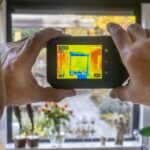
A simple way to check for drafts is to hold a lit candle or a piece of tissue paper near these spots on a windy day. If it flickers or moves air is getting through.
Low-cost fixes that make a difference:
- Weatherstripping around doors and windows
- Caulking gaps around window frames
- Foam gaskets behind outlet covers on exterior walls
- Door draft stoppers for rooms you do not use often
If your home was built before the 1990s and you have never had insulation checked it is worth looking into. Especially in the attic, where heat loss is often highest.
3. Rethink How You Use Major Appliances
Your refrigerator, washing machine, dryer and dishwasher are some of the energy users in your home. Not necessarily because they are inefficient but because of how and when they are used.
Refrigerator:
- Keep it between 37–40°F. Colder than that wastes energy without improving food safety
- Make sure the door seals are tight
- Do not block the back vents and give it a few inches of breathing room from the wall
Washing machine:
- Wash in cold water whenever possible. About 90% of the energy used by a washing machine goes toward heating water
- Run full loads rather than several smaller ones
Dryer:
- Clean the lint filter before every load
- Use the moisture-sensor setting if your dryer has one, instead of a fixed timer
- Dry similar fabric types together so loads finish at the same time
Dishwasher:
- Skip the heated cycle and let dishes air-dry with the door cracked open
- Only run it when full. But avoid overloading, which forces longer cycles
None of these changes require buying anything new. They are shifts and habits are free.
4. Tackle “Phantom Load” From Electronics and Chargers
Phantom load refers to the electricity devices draw even when they are “off” but still plugged in. Think TVs, gaming consoles, microwaves, phone chargers, coffee makers with clocks and cable boxes.
Individually each device might only draw a watts.. Across a typical household with a dozen or more plugged-in devices this can add up to 5–10% of your total electricity use. Essentially paying for electricity you are not actively using.
How to reduce load without unplugging everything constantly:
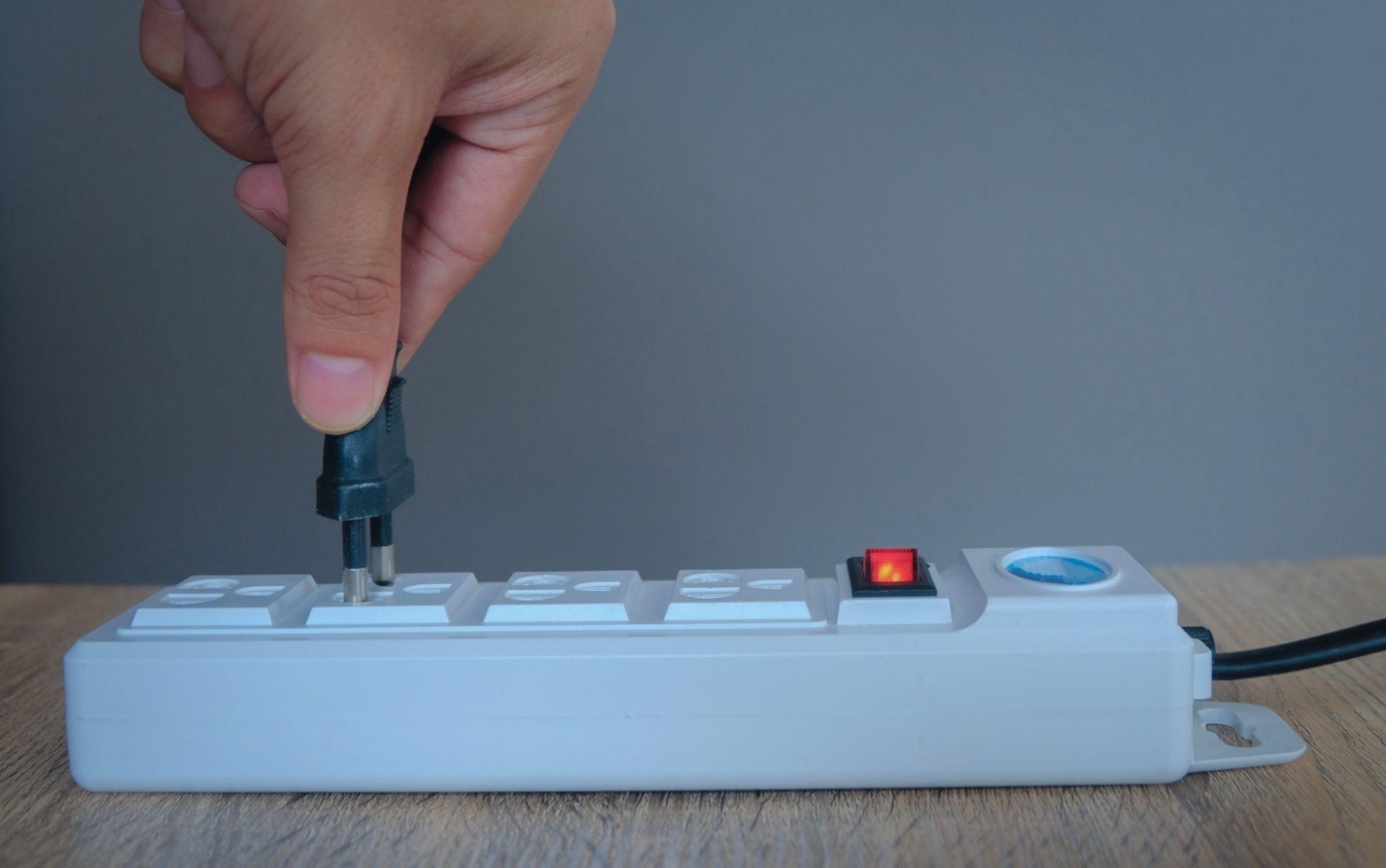
- Use power strips with switches for entertainment centers and home office setups. Flip one switch to cut power to everything at once
- Unplug chargers when not in use
- Put desktop computers and monitors to sleep instead of leaving them on standby overnight
This is one of those changes that feels small in the moment but compounds nicely over a billing cycle especially in homes with multiple TVs, gaming setups or home offices.
5. Switch to LED Lighting
If your home still has incandescent or older CFL bulbs this is one of the paybacks on this entire list. LED bulbs use 75% less energy than incandescent bulbs and last significantly longer. Often 15 to 25 times longer.
The math is straightforward: a single LED bulb might cost a couple of dollars upfront than an incandescent one but it pays that difference back within months through lower energy use and then keeps saving for years after that.
Where to prioritize first:
- Rooms where lightsre on for long periods
- Outdoor lights left on overnight
- Any fixture with multiple bulbs
A practical tip: when an old bulb burns out replace it with an LED rather than another incandescent. Within a year or two your whole home gradually transitions without an upfront purchase.
6. Be Strategic About Water Heating
Water heating is often the largest energy expense after HVAC frequently making up 15–20% of a homes energy bill.
A few adjustments that add up:
- Lower your water heater temperature to 120°F. Most units come set higher than necessary by default and this is both safer and more efficient
- Insulate your water heater tank and the first few feet of hot water pipes especially if the unit is in a basement or garage
- Fix dripping hot water faucets. A slow drip wastes more hot water. And money. Over a month than most people realize
- Take shorter showers or install a low-flow showerhead, which can cut hot water use significantly without a noticeable drop in water pressure
If your water heater is more than 10–12 years old it is also worth knowing that newer models. Including heat pump water heaters. Are considerably more efficient though that is more of a longer-term consideration than a “this month” fix.
7. Use Your Windows and Curtains as a Free Climate Control Tool
This one costs nothing and takes thirty seconds a day but it is surprisingly effective.
In summer:
- curtains or blinds on south- and west-facing windows during the hottest part of the day to block solar heat gain
- Open windows in the early morning or evening when outdoor air is cooler than indoor air
In winter:
- Open curtains on sun-facing windows during the day to let in heat
- Close them at night to add a layer of insulation, against cold glass
If you have ceiling fans remember that the direction ceiling fans spin matters depending on the season. In the summer ceiling fans should spin counterclockwise to create a cooling breeze. In the winter switching ceiling fans to clockwise at a speed helps push warm air back down into the room, which lets you lower the thermostat slightly without losing comfort.
8. Cook Smarter to Reduce Kitchen Energy Use
The kitchen is full of opportunities to save energy especially during warmer months when you are also trying to avoid heating up the house unnecessarily.
- Use a microwave, toaster oven or air fryer for meals instead of heating up a full-size oven because they use significantly less energy for the same result.
- Match pot size to burner size on a stovetop, a pot on a large burner wastes a surprising amount of heat.
- Keep lids on pots while cooking to retain heat and cook faster.
- Avoid opening the oven door because every time you do the temperature drops and the oven has to work harder to recover.
- If you are someone who bakes often batch cooking making dishes during one oven session is both a time-saver and an energy-saver.
9. Maintain Your HVAC System So It Does Not Have to Work Than Necessary
A poorly maintained heating or cooling system does not just risk breaking down it quietly uses more energy every single day it is neglected.
Simple maintenance that pays off includes replacing or cleaning air filters every one to three months because a clogged filter restricts airflow and forces the system to run longer to reach the temperature.
- Keep units for central air or heat pumps clear of leaves, debris and overgrown plants.
- Have your system professionally serviced annually because a technician can catch issues like refrigerant leaks or dirty coils before they turn into bigger inefficiencies.
- Make sure vents and registers are not blocked by furniture, rugs or curtains.
If your system is over fifteen years old it is also worth getting an opinion on its efficiency because sometimes the cost of running an aging system for a few more years exceeds what a replacement would cost in energy savings.
10. Track Your Usage You Know What Is Actually Working
You can not manage what you do not measure. Many utility providers now offer online dashboards that break down your energy use by day time of day or even by appliance if you have smart plugs.
Why this matters is that it helps you spot spikes like a malfunctioning appliance quietly running up your bill.
It shows you which of these changes are making the difference for your specific home.
It can reveal whether you are being charged more during peak hours, which might mean shifting laundry or dishwasher use to off-peak times saves money.
If your utility offers time-of-use rates running high-energy appliances, like dishwasher, laundry or electric vehicle charging during off-peak hours overnight or midday depending on your provider can lead to meaningful savings without changing how much energy you use, just when.
11. Look Into Off-Peak Plans, Time-of-Use Rates and Renewable Options
This one takes a bit effort than flipping a switch or adjusting a thermostat but it is worth a look if you have not checked your utility plan in a while especially since rate structures change more often than most people realize.
Time-of-use plans are when many utilities now offer rate plans where electricity costs less during hours usually overnight or midday depending on the region and more during peak hours typically late afternoon and early evening when everyone gets home and cranks up the air conditioning or starts cooking dinner.
If your provider offers this and your schedule is flexible, shifting laundry dishwasher cycles and electric vehicle charging to off-peak windows can lower your bill without you using a watt less electricity overall you are just moving when you use it.
Community solar and green energy options are when if you can not install panels on your own roof maybe you rent or your roof faces the wrong direction or it is just not in the budget right now some areas offer community solar programs.
These let you subscribe to a share of a solar installation and get credited on your bill often with little to no upfront cost.
Budget billing is when many utilities offer a budget billing or level pay option that averages your usage into consistent monthly payments it is more about smoothing out the bumps than cutting costs but for some households that predictability is worth a lot.
A Quick Note on Setting Realistic Expectations
It is worth being upfront about something, not every tip on this list will apply equally to every home. The savings will not show up overnight in most cases.
If your electricity bill is billed monthly you will typically need least one full cycle, sometimes two especially if you are transitioning between seasons before you can clearly see the impact of a change.
It also helps to separate immediate changes from small investment, bigger payoff ones.
Sealing a door or washing clothes in cold water costs nothing and starts saving from day one.
Swapping out an aging water heater on the hand is a bigger decision that should be based on the units age and condition not just the promise of lower bills and it is the kind of thing worth discussing with a licensed technician rather than rushing into based on an article.
One more thing worth mentioning is that weather matters more than most people give it credit for.
If you make changes during an unusually hot or cold month it can be hard to isolate exactly how much each change contributed since extreme weather alone can push usage up regardless of what you do.
Comparing your usage to the month last year rather than just the previous month usually gives a clearer picture and this is exactly the kind of comparison most utility usage dashboards make easy to pull up.
Final Thoughts
Reducing your electricity bill doesn’t require expensive renovations or major lifestyle changes. In most cases, it’s about identifying where energy is being wasted and fixing those problems one step at a time.
Begin with the free improvements—adjust your thermostat, seal drafts, wash clothes in cold water, and eliminate unnecessary standby power. As your budget allows, consider upgrading to LED lighting, optimizing your water heater settings, and maintaining your heating and cooling system.
Small improvements may seem insignificant on their own, but together they can lead to lower monthly bills, improved energy efficiency, and long-term savings year after year.
Common Questions About Reducing Your Electricity Bill
Will turning appliances off and on use more electricity than leaving them running?
For most household devices such as lights, televisions, computers, and small appliances, the answer is no. The brief surge of electricity required to switch a device on is extremely small compared to the energy it consumes while running.
The main exceptions are certain fluorescent lighting systems and some HVAC equipment, where frequent short cycling can reduce efficiency or increase wear. For everyday household electronics, however, turning them off when they are not needed is the smarter choice.
Rule of thumb: If you’re leaving a room for more than a few minutes, switch off the lights and electronics you’re not using.
Is it better to leave the air conditioner running all day or turn it off when you leave?
For most homes, allowing the temperature to rise slightly while you’re away is usually the more energy-efficient approach. A programmable or smart thermostat can automatically adjust the temperature before you return, keeping your home comfortable without wasting electricity.
The common belief that an air conditioner uses more energy cooling the house back down than it saves while you’re away is generally a myth for normal absences of a few hours.
For vacations or multi-day trips, setting the thermostat to a moderate temperature is usually the best balance between comfort, energy savings, and humidity control.
How much money can you realistically save?
The exact amount depends on your climate, home size, insulation, and current energy habits. However, many households reduce their electricity bills by 10% to 25% after combining several energy-saving strategies.
The biggest savings usually come from:
- Adjusting your thermostat
- Sealing air leaks around doors and windows
- Switching to LED lighting
- Improving heating and cooling efficiency
Because heating and cooling account for the largest share of most electricity bills, even small improvements can make a noticeable difference.
Are smart plugs and smart thermostats worth buying?
In many homes, smart thermostats are one of the best energy-saving investments available. Automated schedules help reduce unnecessary heating and cooling, and the savings often recover the purchase cost within the first year.
Smart plugs can also be useful, especially for entertainment systems, home offices, or outdoor lighting. They make it easier to eliminate standby power consumption, although they’re generally considered a convenience rather than a necessity.
If you only do one thing this month, what should it be?
Start with your thermostat.
Adjusting your heating and cooling schedule costs nothing, takes only a few minutes, and targets the biggest portion of your electricity bill.
For even better results, combine this with sealing one or two noticeable air leaks around doors or windows. Together, these two simple changes can deliver meaningful savings without any major investment.
I’m renting. What can I actually do?
Quite a lot.
Many of the most effective energy-saving improvements require no permanent changes and don’t need your landlord’s permission.
- Adjusting thermostat settings
- Replacing bulbs with LED lights (and keeping the originals to reinstall before moving)
- Washing clothes in cold water
- Unplugging unused electronics
- Using removable weatherstripping
- Opening or closing curtains to manage indoor temperatures naturally
Larger improvements such as insulation upgrades, water heater replacement, or HVAC servicing are generally the landlord’s responsibility. If you notice inefficient windows or an aging water heater, it’s often worth bringing the issue to their attention.