Not reduced. Not discounted.
For most homeowners, that sounds impossible. But in 2026, it is not only possible — it is happening in hundreds of thousands of homes around the world. Advances in solar panel technology, falling battery costs, smarter home automation, and generous government incentives have combined to make the zero electricity bill home a realistic target for any motivated homeowner.
This is not a guide full of vague advice. This is a complete, honest, step-by-step roadmap covering everything from calculating your energy needs to choosing the right solar panels, comparing battery brands, integrating smart home devices, understanding real costs, and avoiding the mistakes that waste thousands of dollars.
Whether you are planning a brand-new build or upgrading an existing home, by the end of this guide you will know exactly what it takes — and what it costs — to stop paying for electricity permanently.
What a Zero Electricity Bill Home Actually Means
Before spending a single dollar, it helps to understand what you are actually trying to achieve. A zero electricity bill home does not always mean being completely disconnected from the power grid. For most homeowners, it means generating at least as much electricity as you consume over a billing period — typically measured monthly or annually.
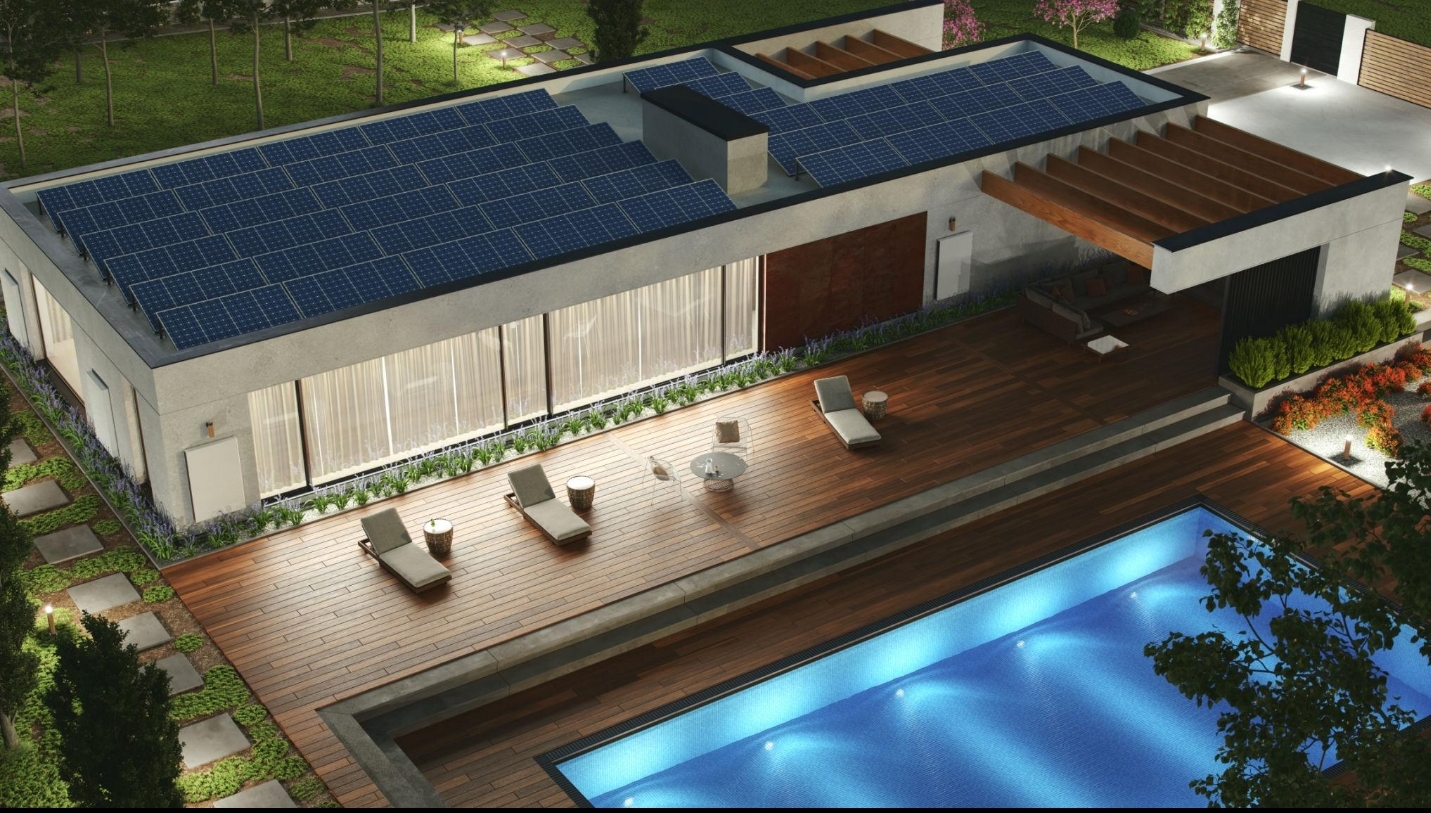
This is called being “net zero” on energy. Your solar panels produce power during daylight hours. You consume what you need in real time. Surplus energy charges your home battery. Any remaining excess feeds back into the grid in exchange for credits. Those credits then offset whatever you pull from the grid at night or on cloudy days.
The final result: your bill lands at or near zero.
There are three main approaches homeowners take:
Grid-tied with battery backup is the most popular and cost-effective option for most homes. You stay connected to the grid as a backup while your solar and battery system handles the majority of your needs.
Fully off-grid means complete energy independence with no utility connection at all. This requires a much larger solar array and battery bank, making it more expensive — but it is the right choice for rural properties far from the grid or homeowners who want total independence.
Hybrid systems combine grid connection with enough battery storage to cover most needs, automatically drawing from the grid only when production and storage fall short. This is the sweet spot for most suburban homeowners.
This guide focuses primarily on the hybrid and grid-tied approach, as it delivers the best financial return for the widest range of homeowners.
Step 1 — Audit Your Home’s Energy Consumption First
This step is not exciting. Most people want to skip straight to buying solar panels. Do not make that mistake.
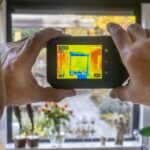
Every dollar you spend on solar generates a fixed amount of electricity. If your home wastes energy through poor insulation, outdated appliances, or inefficient habits, your solar system has to be larger — and more expensive — to compensate. Fixing the leaks before sizing the system is the single most impactful thing you can do to reduce your total investment.
How to Calculate Your Baseline Usage
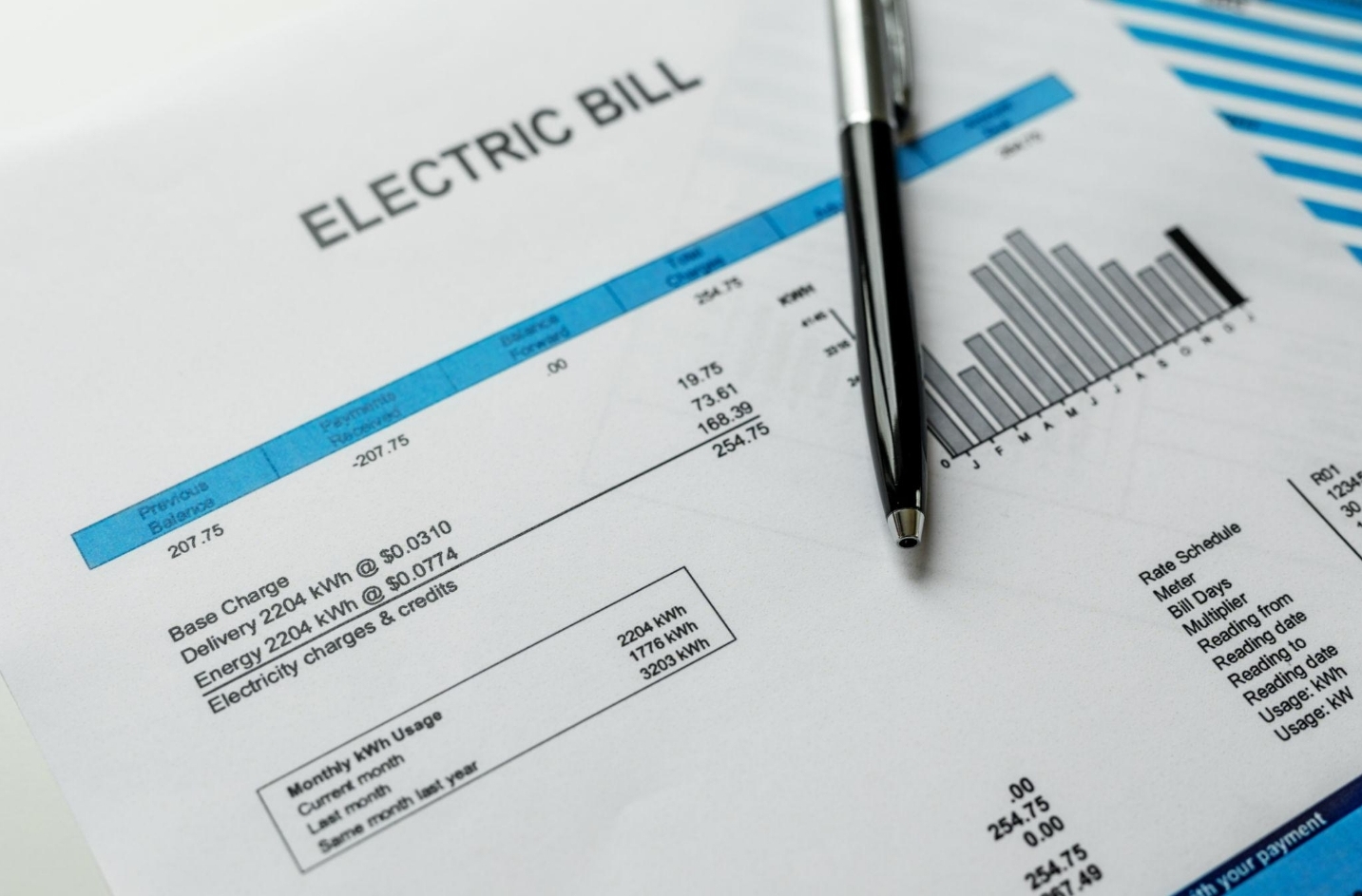
Gather your electricity bills from the last 12 months. Find the kilowatt-hour (kWh) figure on each bill — this is your actual consumption, not the cost. Add all 12 months together and divide by 12 to get your average monthly usage. The average home consumes between 700 and 1,200 kWh per month, but your home may be significantly higher or lower.
Pay attention to seasonal patterns. If your summer bills are double your winter bills due to air conditioning, your solar system needs to account for those peak months.
Where Energy Disappears in Most Homes
Understanding your biggest energy consumers helps you prioritise both efficiency upgrades and solar system sizing. In most homes, the breakdown looks like this:
Heating and cooling typically accounts for 40 to 50 percent of total consumption. Water heating contributes another 14 to 18 percent. Large appliances like refrigerators, washing machines, and dryers account for around 12 percent. Lighting adds 10 to 12 percent. Everything else — electronics, chargers, standby devices — makes up the remainder.
Reduce Before You Generate
Every kilowatt-hour you eliminate through efficiency is one less kilowatt-hour your solar system needs to produce. Practical efficiency upgrades include replacing all lighting with LED bulbs, adding attic and wall insulation, sealing air leaks around windows and doors, upgrading to a heat pump water heater instead of a conventional electric or gas unit, replacing appliances older than ten years with Energy Star certified models, and installing a smart thermostat to eliminate HVAC waste.
These upgrades often reduce total consumption by 20 to 35 percent — meaning you might need a significantly smaller and cheaper solar system to reach zero.
Step 2 — Choose the Right Solar Panels for Your Home
With your energy target in hand, the next step is selecting the solar panels that will generate it. The solar panel market in 2026 is more competitive than ever, with better performance, lower costs, and longer warranties than just a few years ago.
Solar Panel Types Compared: Which One Is Right for You?
Monocrystalline panels are the dominant choice for residential installations and for good reason. They are manufactured from a single silicon crystal, which gives them the highest efficiency ratings — typically 20 to 23 percent in 2026 models from top manufacturers. They perform better in low-light conditions, take up less roof space per watt of output, and come with 25 to 30-year performance warranties. The slightly higher upfront cost is almost always justified by better long-term output.
Polycrystalline panels use multiple silicon crystals fused together, which makes them slightly less efficient — typically 15 to 17 percent — but also slightly cheaper to manufacture. They are a reasonable option when roof space is not constrained and budget is tight, but the efficiency gap versus monocrystalline has narrowed while the price gap has also shrunk, making the choice less clear-cut than it once was.
Bifacial panels are an emerging premium option that generate electricity from both the front and rear surfaces. When installed above a reflective surface like white roofing membrane or gravel, they can produce 10 to 25 percent more energy than a comparable mono-facial panel. They work best on flat or low-pitch roofs with good albedo below, and on ground-mount systems.
TOPCon and HJT panels represent the cutting edge of residential solar technology in 2026. TOPCon (Tunnel Oxide Passivated Contact) panels achieve efficiencies above 22 percent while maintaining competitive pricing. HJT (Heterojunction) panels push even higher — some exceeding 24 percent — with excellent temperature coefficients, meaning they lose less performance on hot days than conventional panels. These are worth considering if roof space is at a premium.
For most homeowners, a quality monocrystalline or TOPCon panel from a reputable brand delivers the best balance of performance, reliability, and value.
How Many Panels Do You Need?
To calculate panel count, divide your required system size in watts by the wattage of your chosen panel. If your home needs an 8 kW system and you choose 400W panels, you need 20 panels. If you opt for 450W panels, you need approximately 18.
Most residential roofs can accommodate 20 to 30 panels without difficulty, which covers the needs of the majority of homes. If roof space is genuinely limited, higher-efficiency panels let you fit more capacity into the same area.
Inverter Types: String, Microinverter, or Power Optimiser?
The inverter converts DC electricity from your panels into AC electricity your home uses. The type you choose affects both performance and cost.
String inverters connect all panels in a series circuit to a single inverter unit. They are the most cost-effective option and perfectly adequate when your roof is unshaded and all panels face the same direction. A single point of failure is the main drawback — if the inverter fails, the whole system goes down.
Microinverters attach to each panel individually, allowing each panel to operate independently. This is ideal for roofs with partial shading or multiple orientations. If one panel underperforms due to shading, the others are unaffected. They also simplify system monitoring at the panel level. The tradeoff is higher upfront cost.
Power optimisers are a middle ground — they attach to each panel like microinverters but send optimised DC power to a central string inverter rather than converting to AC at the panel. They mitigate shading losses and enable panel-level monitoring at a cost between string and microinverter systems.
Step 3 — Home Battery Storage: Power Through the Night
Solar panels without battery storage still leave you dependent on the grid after sunset. Adding a battery system is what truly transforms a solar installation into a zero-bill home — storing your surplus daytime generation and deploying it exactly when you need it most.
How Home Battery Storage Works
During daylight hours, your solar panels generate more electricity than your home typically needs. Rather than sending that surplus to the grid for a modest credit, a home battery stores it for later use. As the sun goes down and panel output fades, the battery kicks in automatically, powering your home through the evening and night. A sophisticated battery management system monitors charge levels, manages charge and discharge cycles to protect battery longevity, and switches between solar, battery, and grid power seamlessly.
Tesla Powerwall vs Enphase vs SolarEdge: Which Battery Is Best?
The home battery market has matured significantly and now offers several strong options. Here is an honest comparison of the leading choices in 2026:
Tesla Powerwall 3 remains the most recognised name in home batteries. The Powerwall 3 integrates a solar inverter directly into the unit, simplifying installation. It offers 13.5 kWh of usable capacity, a 97.5 percent round-trip efficiency, a 10-year warranty, and seamless integration with the Tesla app for monitoring. It works well as a standalone system but integrates less flexibly with non-Tesla solar equipment than some competitors.
Enphase IQ Battery 5P pairs exceptionally well with Enphase microinverter solar systems, offering a fully AC-coupled architecture that is easy to expand. Each unit provides 5 kWh of usable capacity, and multiple units can be combined for whatever total storage you need. Enphase’s monitoring platform, Enlighten, is widely regarded as one of the best in the industry. The modular design and strong reliability record make it a top choice for homeowners who value flexibility.
SolarEdge Home Battery integrates tightly with SolarEdge inverters and offers 9.7 kWh of usable capacity per unit. The SolarEdge ecosystem provides excellent whole-home energy monitoring and management through its mySolarEdge app. If your solar system uses SolarEdge inverters, this is a natural pairing.
Sonnen Eco is a premium German-engineered battery with an exceptional reputation for longevity — Sonnen warranties its batteries for 10,000 cycles compared to the 4,000 to 6,000 cycles typical of competitors. Higher upfront cost, but potentially lower lifetime cost for homeowners who plan to stay in their home long-term.
BYD Battery-Box offers competitive pricing with solid performance and is widely used in markets outside the US. It is a strong choice for cost-conscious homeowners willing to move beyond the most marketed brands.
How Much Battery Storage Do You Need?
A useful starting point is to cover your home’s average overnight consumption — roughly 6 to 10 kWh for most homes. A single 10 to 13.5 kWh battery unit covers this comfortably while leaving reserve capacity for cloudy periods.
If you want resilience for multi-day outages or have higher consumption, two battery units are worth considering. Many systems allow you to start with one unit and add more later as budget allows.
Step 4 — Smart Home Technology That Maximises Every Watt
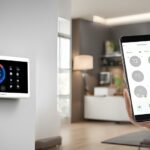
A solar and battery system does the heavy lifting. Smart home technology fine-tunes the operation, automatically shifting consumption to take advantage of free solar energy, eliminating waste, and pushing your bill as close to zero as physically possible.
Smart Thermostats: Your Biggest Energy Lever
Since heating and cooling account for nearly half of most homes’ energy use, a smart thermostat is arguably the highest-impact smart home upgrade you can make. Modern smart thermostats do far more than schedule temperature changes — they learn your patterns, respond to occupancy sensors, integrate with weather forecasts, and coordinate with your solar system to pre-condition your home during peak generation hours.
The Google Nest Learning Thermostat adapts to your schedule automatically after about a week of use and integrates with most major smart home platforms. The Ecobee SmartThermostat Premium adds room sensors to address the common problem of one part of the house being too hot while another is too cold, and offers excellent energy reporting. Both can reduce HVAC consumption by 15 to 25 percent compared to a conventional programmable thermostat.
The key feature to look for when pairing a thermostat with solar is solar-aware scheduling — the ability to pre-cool or pre-heat your home during midday when panels are generating at maximum capacity, storing that thermal energy in your home’s structure so the system runs less in the evening when you are drawing from battery or grid.
Smart Plugs and Standby Power Elimination
Standby power — the electricity consumed by devices when they are switched off but still plugged in — accounts for 5 to 10 percent of the average home’s electricity bill. Televisions, game consoles, printers, microwaves, coffee makers, and dozens of other devices draw power continuously simply by being plugged in.
Smart plugs eliminate this waste by cutting power to devices on a schedule or via remote command. More advanced models like the Kasa EP25 or Eve Energy also monitor real-time power draw, letting you see exactly which devices are the worst offenders. Armed with that data, you can make informed decisions about what to switch off and when.
Smart Appliances and the Power of Load Shifting
Load shifting is one of the most effective and underutilised strategies for reaching a zero electricity bill. The principle is simple: run high-consumption appliances — dishwashers, washing machines, dryers, pool pumps, EV chargers — during the hours when your solar panels are producing at their peak, rather than in the evening when you are drawing from battery or grid.
Modern smart appliances from brands like LG, Samsung, and Bosch include built-in WiFi connectivity and companion apps that allow you to schedule operation remotely or set them to run automatically when solar production exceeds a threshold. Even without smart appliances, a simple smart plug combined with a scheduling app achieves the same result for most standard appliances.
EV Charging with Solar: A Game-Changer Combination
If you drive an electric vehicle — or are considering making the switch — combining EV charging with a home solar system is one of the most financially compelling moves you can make. Charging an average EV adds roughly 300 to 400 kWh to your monthly electricity consumption. At standard utility rates, that costs $40 to $80 per month. Charged entirely from solar, it costs nothing.
Smart EV chargers like the Wallbox Pulsar Plus, Chargepoint Home Flex, and Tesla Wall Connector all offer solar-priority charging modes that automatically throttle charging speed to match available solar surplus. When your panels are producing more than your home needs, that excess charges your car instead of feeding the grid at a low credit rate. The result is a free fuel source for your vehicle on top of zero electricity bills for your home.
Home Energy Management Systems (HEMS): The Brain Behind It All
A home energy management system is the software layer that ties your solar, battery, EV charger, thermostats, and smart appliances together into a single coordinated system. Instead of each device operating independently, a HEMS makes them work as a team — automatically making decisions to minimise grid dependence and maximise self-consumption of solar energy.
Leading HEMS platforms in 2026 include the SolarEdge Home Energy Management system, Enphase Enlighten, Loxone, and Home Assistant (an open-source platform that connects virtually any smart home device). Some utilities also offer their own demand management programs that interact with your home system.
Key features to look for in a HEMS include real-time solar and consumption monitoring, battery charge and discharge scheduling, time-of-use tariff optimisation, EV charge coordination, and the ability to prioritise which circuits receive power during an outage.
Step 5 — Understanding Real Costs, Incentives, and Payback
The financial picture for zero-bill homes has never been stronger. Falling hardware costs, rising utility rates, and expanded incentive programs have dramatically improved the return on investment for solar and battery installations. Here is an honest breakdown.
What Does a Complete System Cost in 2026?
Solar panel systems are typically priced per watt of installed capacity. In 2026, installed costs average $2.50 to $3.50 per watt in the United States, $1.80 to $2.80 per watt in Australia, and €1.50 to €2.50 per watt across much of Europe — before incentives.
For a typical 10 kW residential system, that puts the pre-incentive cost at $25,000 to $35,000 in the US market. Adding a single home battery (10 to 13.5 kWh capacity) adds $8,000 to $14,000 installed. Smart home integration — thermostat, smart plugs, HEMS — adds $1,000 to $4,000 depending on depth of coverage.
A complete, well-integrated system therefore runs $34,000 to $53,000 before incentives for a typical home. That is a significant investment — but incentives change the equation dramatically.
Government Incentives and Tax Credits in 2026
United States: The federal Investment Tax Credit (ITC) covers 30 percent of the total installed cost of solar and battery storage systems. On a $40,000 system, that is a $12,000 reduction in your tax liability. Many states add further rebates — California, New York, Massachusetts, and Texas all have significant additional programs. Some utilities offer additional rebates for battery storage systems installed with solar.
Australia: The Small-scale Renewable Energy Scheme (SRES) provides Small-scale Technology Certificates (STCs) that directly reduce the upfront cost of solar installations. State-level rebates in Victoria, New South Wales, and South Australia can add further reductions. Feed-in tariff programs vary by state but provide ongoing credit for surplus solar exported to the grid.
United Kingdom: The Smart Export Guarantee (SEG) requires licensed energy suppliers to pay homeowners for surplus solar electricity exported to the grid. The 0 percent VAT rate on residential solar installations, extended through 2027, meaningfully reduces upfront costs.
Germany: The Erneuerbare-Energien-Gesetz (EEG) provides feed-in tariffs for solar generation, and various KfW loan programs offer low-interest financing for solar and storage installations.
Always verify current incentive programs directly with your tax advisor and local utility, as programs change regularly and eligibility criteria vary.
Real Payback Period: What to Expect
After incentives, most well-sized solar and battery systems in good solar climates pay back their investment in 6 to 9 years. In regions with higher electricity rates — such as California, Hawaii, Germany, and Australia — payback periods as short as 4 to 6 years are achievable.
After payback, the system continues generating free electricity for another 15 to 20+ years. A homeowner who eliminates a $200 monthly electricity bill saves $2,400 per year. Over 20 years post-payback, that is $48,000 in savings — not accounting for electricity rate increases, which have averaged 3 to 4 percent annually in most markets and show no sign of stopping.

Step 6 — Off-Grid vs Grid-Tied vs Hybrid: Which System Is Right for You?
One of the most common questions homeowners ask is whether they should go completely off-grid or stay connected to the utility. The honest answer depends on your location, budget, and goals.
Grid-tied systems without battery storage are the simplest and cheapest option. They export surplus solar to the grid and import from the grid when needed. They cannot power your home during a grid outage — a significant limitation for areas prone to blackouts. Best for: homeowners in areas with strong net metering policies and rare outages.
Grid-tied with battery backup (hybrid) is the sweet spot for most homeowners. The battery covers overnight usage and short outages, while the grid provides backup for extended cloudy periods. This configuration delivers zero or near-zero electricity bills while maintaining the security of a grid connection. Best for: the majority of suburban and urban homeowners.
Fully off-grid requires a solar array large enough to cover worst-case winter production plus enough battery storage for multiple days of autonomy — typically 3 to 5 days. It also benefits from a backup generator for extended low-production periods. The system is significantly larger and more expensive but delivers complete energy independence. Best for: rural properties far from the grid, homeowners with philosophical commitment to independence, or locations where grid connection costs are prohibitive.
Step 7 — Common Mistakes That Cost Homeowners Thousands
Learning from others’ mistakes is one of the most valuable things you can do before making a major investment like this. Here are the errors that most commonly derail homeowners on their path to a zero electricity bill.
Choosing the cheapest installer over the best installer. Solar installations vary enormously in quality. Poorly designed systems, substandard mounting hardware, and sloppy electrical work can reduce output by 20 to 30 percent and create problems that are expensive to fix. Get multiple quotes and check references carefully.
Ignoring energy efficiency before sizing the system. Buying a larger solar system to cover an inefficient home is like filling a leaking bucket. Fix the leaks first — insulation, appliances, lighting — and your system can be smaller and cheaper.
Undersizing the battery. A solar system without adequate battery storage leaves you grid-dependent every night. Many homeowners start with too little storage and end up paying to expand the system later at higher cost than if they had sized it correctly from the start.
Not understanding your net metering agreement. Net metering policies vary widely by utility and location. Some utilities offer one-for-one credit for exported solar. Others offer significantly less. Understanding your specific agreement is essential for accurately projecting your savings and system payback.
Forgetting about panel shading. Even a single shadow across one or two panels can significantly reduce whole-system output if using a string inverter. Map shading patterns across all times of day and all seasons before finalising panel placement.
Skipping the monitoring setup. Your solar and battery system is a significant asset. Monitor it actively, especially in the first year. Catching a fault or underperforming panel early can save thousands in lost generation over the system’s lifetime.
Solar Panel Maintenance: Keeping Your System at Peak Performance
A solar system is genuinely low-maintenance — but it is not zero-maintenance. A few straightforward practices will keep your system operating at peak efficiency for decades.
Cleaning Your Panels
Dust, pollen, bird droppings, and other debris accumulate on panel surfaces over time and reduce light absorption. In most climates, rain is sufficient to keep panels reasonably clean. In drier climates or areas with high pollen or dust, periodic cleaning two to four times per year with plain water and a soft brush or squeegee restores output. Never use abrasive materials or harsh chemicals — they can damage the anti-reflective coating.
Monitoring for Degradation
Solar panels degrade slowly over time — typically 0.3 to 0.5 percent per year for quality modern panels. Your monitoring system will show any sudden drops in output that might indicate a fault, whether from a failing panel, inverter issue, or loose connection. Schedule an annual review of your monitoring data and have a qualified technician inspect the system every three to five years.
Battery Care
Modern lithium-ion home batteries are largely self-managing, but a few practices extend their life. Avoid consistently charging to 100 percent or discharging to zero — most battery management systems prevent this automatically, but it is worth understanding. Keep your battery in a temperature-controlled environment where possible, as extreme heat is the primary accelerator of battery degradation.
Conclusion — Your Zero Electricity Bill Home Is Closer Than You Think
Building a zero electricity bill home in 2026 is not a distant dream — it is a documented, achievable reality for homeowners who approach it with the right information and a clear plan.
The roadmap is clear: audit your consumption and eliminate waste first, size a solar system that matches your needs, add battery storage to cover overnight usage, layer in smart home technology to optimise every watt, take full advantage of available incentives, and choose your installer and equipment with care.
The financial case is stronger than it has ever been. Falling hardware costs, rising utility rates, and a 30 percent federal tax credit in the US — with comparable programs in many other countries — mean that a solar and battery system often pays for itself in under a decade and then delivers free electricity for two decades beyond that.
The environmental case needs no elaboration. Every kilowatt-hour you generate from your own roof is one less burned from a fossil fuel somewhere else.
Your next step is simple: gather your last 12 months of electricity bills, note your roof’s orientation and approximate area, and contact two or three reputable local solar installers for free site assessments and quotes. Most will provide a detailed production estimate and financial projection at no charge.
If you want to go deeper before making any decisions, explore our related guides on choosing the best home battery storage system for your needs, understanding solar inverter types and which fits your roof, navigating government incentives in your region, and the best smart home devices for energy management in 2026.
The zero electricity bill is waiting. The only question is when you decide to claim it.
FAQ — People Also Ask About Zero Electricity Bill Homes
Can I really get a zero electricity bill with solar panels in 2026?
Yes — thousands of homeowners achieve it every year. The key variables are system size relative to consumption, local solar resource, available incentives, and whether you add battery storage. A properly sized system with battery backup and smart energy management brings most homes to zero or near-zero on an annual basis.
How much does it cost to build a zero electricity bill home?
A complete solar, battery, and smart home system for a typical home costs $34,000 to $53,000 before incentives in the US market. After the 30 percent federal tax credit and applicable state rebates, net costs typically fall to $20,000 to $38,000. Payback periods range from 6 to 9 years in most markets, after which the system generates free electricity for 15 to 20+ years.
Which is better — going off-grid or staying connected to the grid?
For most homeowners, a grid-tied system with battery backup delivers better financial returns and greater convenience than going fully off-grid. True off-grid systems require significantly larger and more expensive setups to handle extended low-production periods. Off-grid makes most sense for rural properties or those with strong philosophical motivations for independence.
Do solar panels work on cloudy days and in winter?
Yes, solar panels continue to generate electricity on cloudy days — typically at 10 to 25 percent of their clear-sky output depending on cloud density. Modern panels with good low-light performance (particularly TOPCon and HJT types) handle diffuse light better than older panel types. Battery storage and net metering credits from summer surplus cover the gap during winter months for most homeowners.
How long do solar panels and home batteries last?
Quality solar panels carry 25-year performance warranties guaranteeing at least 80 percent of original output, and many panels continue operating well beyond that. Home batteries typically last 10 to 15 years before capacity drops noticeably, with premium brands like Sonnen warranting their batteries for 10,000 cycles. Battery replacement costs are falling rapidly as production scales.
What smart home devices save the most energy?
The highest-impact devices, in order, are smart thermostats (15 to 25 percent HVAC savings), smart EV chargers with solar-priority charging, heat pump water heaters with smart scheduling, smart plugs for standby load elimination, and a home energy management system to coordinate the whole ecosystem. Starting with a smart thermostat delivers the fastest return on investment for most households.