What Are Peak and Off-Peak Electricity Hours?
Not all electricity costs the same. The price you pay per kilowatt-hour varies depending on when you use it — and in 2026, that variation can be significant enough to make a real difference to your monthly bill.
Peak hours are the periods when demand on the electricity grid is highest. In most European countries, this typically means weekday mornings from around 7am to 9am, and evenings from around 5pm to 9pm. During these windows, millions of homes and businesses are all drawing electricity at the same time — people waking up, commuting, cooking dinner, running appliances. The grid is under the most strain, and electricity is at its most expensive.
Off-peak hours are the opposite. Late at night, typically from around 11pm to 6am, demand on the grid falls sharply. Fewer people are awake, fewer appliances are running, and electricity generation exceeds demand. Grid operators want to avoid wasting that surplus energy, so they offer it at a lower price to incentivise consumption during these quieter hours.
The system that formalises these price differences is called a time-of-use (TOU) tariff — also known in different European markets as a dynamic tariff, smart tariff, or economy tariff. Understanding how it works, and how to take advantage of it, is one of the most effective ways to reduce your electricity bill in Europe without changing how much energy you use — only when you use it.
How Time-of-Use Tariffs Work in Practice
A standard flat-rate electricity tariff charges you the same price per kilowatt-hour regardless of when you use it. A time-of-use tariff replaces that single price with at least two — and sometimes many more — different rates depending on the time of day.
Two-Rate Tariffs
The simplest form is a two-rate tariff — one price for peak hours and a lower price for off-peak hours. This structure has existed in some European markets for decades under names like Economy 7 in the UK (which offers seven hours of cheap overnight electricity) or Heures Creuses in France (which divides the day into peak “heures pleines” and off-peak “heures creuses” periods).
With a two-rate tariff, the strategy is simple: run as many high-consumption appliances as possible during the cheap hours and avoid running them during the expensive ones.
Dynamic and Agile Tariffs
The more sophisticated version — now available from a growing number of European energy suppliers in 2026 — is a dynamic or agile tariff. Rather than two fixed rates, these tariffs offer prices that change every 30 minutes or every hour based on real-time conditions on the electricity grid.
On a dynamic tariff, electricity can be extremely cheap — or even negative, meaning the grid pays you to use it — during periods of high renewable generation and low demand. It can be significantly more expensive during peak demand or when renewable generation drops. The best-known example in Europe is the Octopus Agile tariff in the UK, which publishes prices for the next 24 hours every afternoon.
Dynamic tariffs require more engagement from the consumer — or smart home technology to automate the response — but they offer the greatest potential savings for households willing to manage their consumption actively. If you already have a smart home energy management system, it can respond to dynamic pricing automatically without any manual input from you.
Time-of-Use vs Flat Rate: Which Is Better?
A time-of-use tariff is not automatically better than a flat rate for every household. Whether you save money depends on how much flexibility you have to shift consumption to off-peak hours. A household that cannot change when it runs its appliances — because of work patterns, young children, or other constraints — may find a flat rate simpler and equally cost-effective.
For households with electric vehicles, home batteries, solar panels, smart appliances, or simply flexible routines, a time-of-use tariff is almost always financially advantageous.
Which European Countries Offer Time-of-Use Tariffs in 2026?
The availability and structure of time-of-use tariffs varies considerably across Europe. Here is an overview of the current landscape in the major European markets.
United Kingdom
The UK has the most developed time-of-use tariff market in Europe in 2026. Economy 7 and Economy 10 tariffs have been available for decades, offering cheap overnight rates for homes with storage heaters and hot water tanks. More recently, suppliers including Octopus Energy, EDF, and British Gas have introduced sophisticated smart tariffs — including Octopus Agile, Octopus Go, and Octopus Intelligent for EV drivers — with prices that change by the half-hour and significant off-peak discounts for flexible consumers.
Germany
Germany’s Wärmepumpen-Tarife (heat pump tariffs) and Nachtstrom (night tariff) structures have historically served homes with storage heating and heat pumps. In 2026, dynamic tariffs are being rolled out more broadly following EU Smart Meter deployment targets, with suppliers including E.ON, EnBW, and several regional providers offering time-variable products. Germany’s high electricity prices make the savings from peak avoidance particularly meaningful.
France
EDF’s Heures Creuses tariff is one of the oldest and most widely used two-rate systems in Europe. It divides the day into approximately 8 hours of cheaper off-peak periods (timing varies by region) and 16 hours of standard pricing. It is particularly well suited to homes with electric water heaters, which can be programmed to heat only during the cheap hours. More dynamic products are emerging from newer French suppliers.
Netherlands
The Netherlands has a competitive retail electricity market with multiple suppliers offering dynamic and flexible tariffs. Suppliers including Vattenfall, Tibber, and Frank Energie offer hourly pricing linked to day-ahead wholesale market prices — one of the most transparent and potentially rewarding structures for engaged consumers.
Belgium, Spain, Italy, and Others
Most Western European markets now have at least some form of time-of-use offering available, though the structure, savings potential, and supplier availability varies significantly. Regulatory frameworks across the EU are pushing for broader TOU availability as part of the clean energy transition, so options are expanding year on year.
Which Appliances Use the Most Electricity — and When Should You Run Them?
Making the most of a time-of-use tariff means understanding which of your home’s appliances consume the most electricity, and how much flexibility you have about when they run.
High-Consumption, Schedulable Appliances
These are the appliances where shifting to off-peak hours makes the biggest financial difference:
- Washing machine: A typical wash cycle uses 0.5 to 1.5 kWh. Running one cycle per day during off-peak hours rather than peak hours saves a meaningful amount annually at current European electricity prices.
- Tumble dryer: One of the highest-consumption household appliances, using 2 to 3.5 kWh per cycle. Scheduling dryer use for off-peak hours is one of the single most impactful tariff optimisation moves available.
- Dishwasher: Typically uses 1 to 1.5 kWh per cycle. Most modern dishwashers have a delay start function that makes off-peak scheduling straightforward.
- Electric oven: Uses 1 to 2.5 kWh per hour of use. Less schedulable than white goods, but where possible, batch cooking or shifting heavier cooking to shoulder hours reduces peak consumption.
- Electric vehicle charging: One of the largest controllable loads in a modern home. A full charge from low to full typically uses 30 to 75 kWh depending on battery size. Scheduling EV charging for off-peak hours overnight is one of the highest-impact changes an EV owner can make. Our complete EV buyer’s guide covers how smart charging works in more detail.
- Hot water heating (immersion heater or heat pump water heater): Heating a full hot water tank typically uses 3 to 5 kWh. Scheduling this for off-peak hours using a timer or smart controller is a classic and highly effective tariff optimisation strategy.
High-Consumption but Less Schedulable
These are the appliances where shifting to off-peak hours makes the biggest financial difference:
- Washing machine: A typical wash cycle uses 0.5 to 1.5 kWh. Running one cycle per day during off-peak hours rather than peak hours saves a meaningful amount annually at current European electricity prices.
- Tumble dryer: One of the highest-consumption household appliances, using 2 to 3.5 kWh per cycle. Scheduling dryer use for off-peak hours is one of the single most impactful tariff optimisation moves available.
- Dishwasher: Typically uses 1 to 1.5 kWh per cycle. Most modern dishwashers have a delay start function that makes off-peak scheduling straightforward.
- Electric oven: Uses 1 to 2.5 kWh per hour of use. Less schedulable than white goods, but where possible, batch cooking or shifting heavier cooking to shoulder hours reduces peak consumption.
- Electric vehicle charging: One of the largest controllable loads in a modern home. A full charge from low to full typically uses 30 to 75 kWh depending on battery size. Scheduling EV charging for off-peak hours overnight is one of the highest-impact changes an EV owner can make. Our complete EV buyer’s guide covers how smart charging works in more detail.
- Hot water heating (immersion heater or heat pump water heater): Heating a full hot water tank typically uses 3 to 5 kWh. Scheduling this for off-peak hours using a timer or smart controller is a classic and highly effective tariff optimisation strategy.
High-Consumption but Less Schedulable
- Heating and cooling: Your heating system is typically your largest energy consumer, but its timing is partly dictated by when you need warmth. Smart thermostats and heat pump controllers can help by pre-heating during off-peak hours and reducing output during peak periods — but comfort cannot always be fully compromised. Our guide on how thermostats save money and improve home efficiency explains how to get the most from your heating system regardless of tariff.
- Refrigerator and freezer: These run continuously and cannot be scheduled. However, their compressors cycle on and off, and some smart refrigerators can slightly adjust their cycle timing in response to price signals.
Low Consumption — Less Critical to Schedule
LED lighting, televisions, laptops, and phone chargers consume relatively little electricity. Obsessing over when these run misses the point — the financial opportunity is almost entirely in the high-consumption items listed above.
How Smart Home Technology Automates Tariff Optimisation
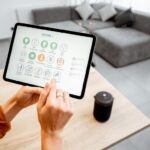
Manually managing which appliances run at which time is possible but tedious. The real power of a time-of-use tariff comes when smart home technology automates the response — shifting consumption to cheap hours without you needing to think about it.
Smart Plugs With Scheduling
A smart plug with scheduling capability is the simplest starting point. You set a schedule once, and the plug automatically turns your appliance on during off-peak hours every day. For appliances like washing machines, tumble dryers, and dishwashers, this approach requires minimal setup and delivers consistent savings. The best energy-saving smart home devices for European homes include several smart plug options specifically designed for this purpose.
Smart EV Chargers
A smart EV charger integrates with your electricity tariff — either through manual scheduling or automatic tariff integration — to ensure your car charges during the cheapest hours of the day. Some chargers, including those supported by Octopus Intelligent in the UK, communicate directly with the energy supplier’s system to optimise charging timing automatically based on real-time prices. This is one of the most financially impactful smart home additions available for EV owners.
Smart Thermostats
A smart thermostat can be programmed to run heating during off-peak hours where comfort allows — pre-heating a well-insulated home in the early morning before peak prices kick in at 7am, for example. Heat pump systems are particularly well suited to this approach because they are more efficient at lower temperatures, making early-morning pre-heating both cheap and effective. Top home automation devices worth buying in 2026 include smart thermostats with native tariff integration.
Home Energy Management Systems
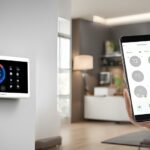
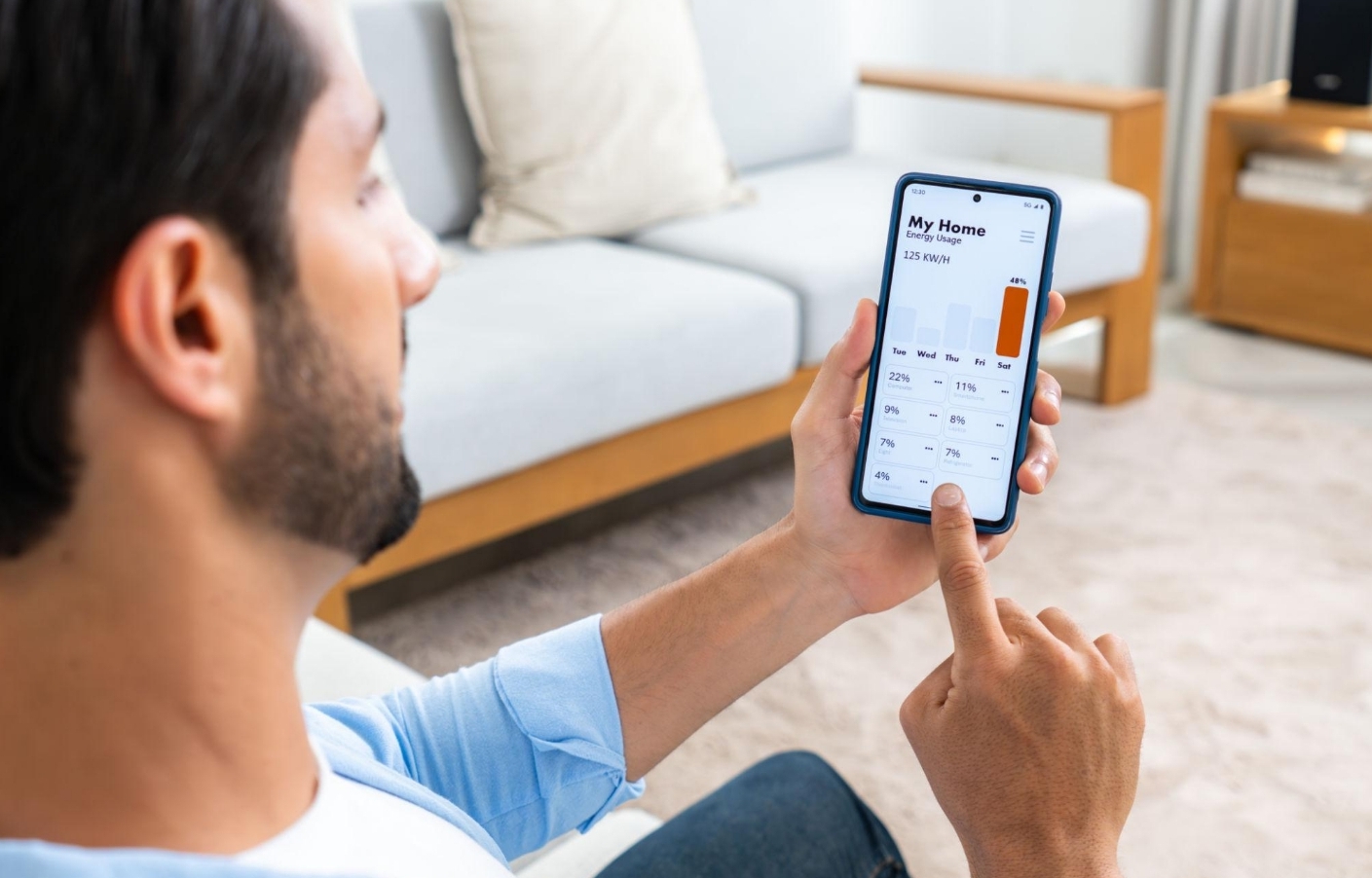
A smart home energy management system (HEMS) is the most comprehensive solution. It connects to your tariff pricing data, solar generation system, home battery, EV charger, and smart appliances simultaneously — and coordinates all of them to minimise your electricity costs automatically, around the clock. For a home with solar panels, a battery, and an EV, a HEMS working alongside a dynamic tariff represents the gold standard of residential energy optimisation in 2026.
Solar Panels and Time-of-Use Tariffs: A Powerful Combination
If you have solar panels, a time-of-use tariff adds another layer of financial benefit on top of the savings from self-consuming your own solar generation.
Export Rates and Feed-In Tariffs
When your solar panels generate more electricity than your home is using, the surplus is exported to the grid. The rate at which you are paid for that export — the feed-in tariff or export rate — varies by country and supplier. In most European markets, export rates are lower than the retail import rate, which means using your own solar power directly is always more valuable than exporting it.
A time-of-use tariff amplifies this logic. If your peak-hour import rate is significantly higher than your off-peak rate, then avoiding importing electricity during peak hours — by self-consuming solar or discharging a battery — saves more per kilowatt-hour than avoiding off-peak imports. A correctly sized solar system combined with a battery can cover a large proportion of peak-hour demand without any grid imports at all.
Battery Storage and Tariff Arbitrage
Home batteries open up a particularly effective strategy called tariff arbitrage: charging the battery during the cheapest off-peak hours and discharging it during the most expensive peak hours. The financial benefit is the difference between the off-peak rate paid to charge and the peak rate avoided by discharging — and at current European electricity price spreads, this can be substantial.
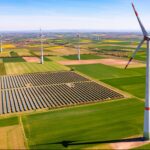
For homes aiming for a zero electricity bill, the combination of solar generation, battery storage, and an optimised time-of-use tariff is the most direct path to achieving it in 2026.
How to Switch to a Time-of-Use Tariff in Europe
Switching to a time-of-use tariff is straightforward in most European markets, though the process varies slightly by country.
What You Need
- A smart meter: Most time-of-use tariffs require a smart meter capable of recording consumption by time period. In the UK, smart meters are now widespread. In Germany, France, and the Netherlands, rollout is advanced. In some southern European markets, smart meter availability is still more limited — check with your supplier.
- A supplier offering TOU products: Not every energy supplier in every market offers time-of-use tariffs. Check comparison sites for your country to see what is available.
- An understanding of your consumption pattern: Before switching, it is worth reviewing whether your current usage pattern is compatible with off-peak shifting. If most of your high-consumption activity already happens in the evening, a TOU tariff may cost you more without behaviour changes.
How to Compare TOU Tariffs
When comparing time-of-use tariffs, focus on three things: the peak rate, the off-peak rate, and the hours during which each applies. A tariff with a very low off-peak rate is only valuable if those cheap hours align with when you can realistically shift your consumption — typically overnight for most households.
Also check whether the tariff has a daily standing charge and how that compares to your current deal. A lower unit rate with a higher standing charge may or may not be better overall depending on your consumption volume.
Real-World Savings: What to Realistically Expect
The savings available from switching to a time-of-use tariff and actively managing consumption depend on how much of your electricity use you can shift to off-peak hours.
Without an EV or Battery
A household that successfully shifts its washing machine, dryer, and dishwasher to off-peak hours and programmes its hot water heating to run overnight can typically save 10 to 20 percent on their electricity bill compared to a flat-rate tariff — assuming similar overall consumption. This is meaningful but not transformative on its own.
With an EV
Adding an electric vehicle to the picture changes the calculation significantly. EV charging is a large, highly schedulable load. A household charging an EV on a flat-rate tariff at random times versus a household charging exclusively on cheap off-peak rates can see a difference of hundreds of euros per year in charging costs alone. Understanding EV charging options and costs is essential context for any EV owner considering a tariff switch.
With Solar, Battery, and HEMS
For a home with solar panels, a home battery, and a smart energy management system on a dynamic tariff, the combination of solar self-consumption, battery arbitrage, and automated peak avoidance can reduce annual electricity costs by 40 to 60 percent compared to an equivalent home on a flat-rate tariff without active energy management. This is where the full potential of time-of-use pricing is realised — and it is increasingly achievable for European homeowners in 2026.
Common Mistakes to Avoid With Time-of-Use Tariffs
Switching to a time-of-use tariff without changing any consumption habits delivers little or no benefit — and can sometimes cost more if peak hours are more expensive than the previous flat rate. These are the most common mistakes to avoid.
Not Checking When Your Peak Hours Are
Peak hours vary by tariff, supplier, and country. Some tariffs define evening peak as starting at 4pm; others at 6pm. Some include weekend peaks; others do not. Before committing to a tariff, map your own usage pattern against the specific peak periods of the tariff you are considering.
Running Appliances on Default Settings
Most modern washing machines, dishwashers, and dryers have delay start functions — but many households never use them. Unlocking this feature and setting a daily off-peak start time is one of the easiest and highest-impact changes available. Understanding how energy-saving appliances work makes it easier to get the most from these built-in features.
Ignoring the Standing Charge
A low unit rate on a time-of-use tariff with a high standing charge may not be cheaper overall for a low-consumption household. Always compare total expected annual cost — not just the headline unit rate — when evaluating tariff options.
Not Reviewing Savings After Switching
After switching to a time-of-use tariff, compare your actual monthly bills against the same month in the previous year (adjusting for any price changes). If savings are less than expected, review which appliances are still running during peak hours and adjust. The complete home energy audit guide is a useful tool for identifying where peak consumption is coming from and targeting it more effectively.
FAQ — People Also Ask About Peak and Off-Peak Electricity in Europe
What time is off-peak electricity in Europe?
Off-peak hours vary by country and tariff, but in most European markets they fall between approximately 11pm and 7am. In France, Heures Creuses periods are set individually by region. In the UK, Economy 7 off-peak hours are typically midnight to 7am. Dynamic tariffs vary by the hour — check your specific tariff documentation for the exact times that apply to your contract.
How much cheaper is off-peak electricity in Europe?
The discount for off-peak electricity compared to peak rates varies by market and tariff. On simple two-rate tariffs, off-peak rates are typically 30 to 50 percent lower than peak rates. On dynamic tariffs like Octopus Agile in the UK, off-peak electricity can occasionally be 80 percent or more cheaper than typical daytime rates during periods of high renewable generation.
Do I need a smart meter to use a time-of-use tariff?
Yes — in almost all cases. Time-of-use tariffs require a smart meter that records consumption by time period so your supplier can charge you the correct rate for each hour. If you do not yet have a smart meter, contact your energy supplier to arrange installation. In most European countries, smart meter installation is free of charge for residential customers.
Can I use a time-of-use tariff if I have solar panels?
Yes — and in most cases it is particularly advantageous. Solar panels cover a portion of your daytime consumption automatically, and a time-of-use tariff helps you minimise peak-hour grid imports in the morning and evening. Adding a home battery allows you to store solar surplus for use during peak hours, and a smart home energy management system automates the coordination of all these elements together.
Is switching to a time-of-use tariff worth it if I do not have an EV or solar panels?
It can be — but the savings are more modest. Without an EV or solar panels, the main opportunities are shifting white goods and hot water heating to off-peak hours. This typically saves 10 to 20 percent on your electricity bill compared to a flat rate, which is worthwhile for most households but less dramatic than the savings available with larger schedulable loads. As you add energy-saving devices and smart home technology over time, the value of the time-of-use tariff grows alongside them.
Making the Switch: Your Next Steps
The path to saving money with peak and off-peak electricity pricing is straightforward once you understand the principles involved.
- ✅ Check whether your home has a smart meter — if not, contact your supplier to arrange one
- ✅ Review your current consumption pattern and identify your highest-consumption, most schedulable appliances
- ✅ Compare time-of-use tariffs available from suppliers in your country
- ✅ Switch to the tariff that best matches your consumption flexibility
- ✅ Programme delay start functions on your washing machine, dryer, and dishwasher for off-peak hours
- ✅ Set your hot water heater to run overnight if it is electrically heated
- ✅ Schedule EV charging for overnight off-peak hours if you have an electric vehicle
- ✅ Consider a smart home energy management system if you have solar panels, a battery, or want fully automated optimisation
Time-of-use tariffs are one of the most underused tools available to European homeowners in 2026. The electricity is cheaper — you just have to use it at the right time.
Want to go further? Our guide on how smart home energy systems reduce electricity bills in 2026 shows how combining a time-of-use tariff with the right technology can take your savings to the next level. And if you are still trying to understand what is driving your current bill before making any changes, start with our guide on why your electricity bill is so high — it is the natural first step before optimising anything.