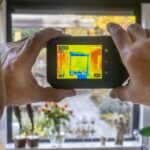
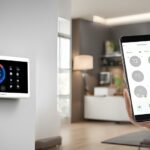
The cost of electricity in Europe is very high. This is making people think more about how they use energy at home. Countries like Germany, France, Italy, Spain, the Netherlands and the UK are seeing increases in electricity and heating costs. This is affecting everyone, not people who live in big houses but also those who live in small apartments. The high cost of energy bills during the cold winter and hot summer months is a big problem for everyone. As a result people are becoming more aware of how they use energy and are looking for ways to save energy and reduce their expenses.
People are starting to make changes to how they use energy at home. They are turning off lights, using energy-efficient appliances, and getting smart home technology. These changes are helping them reduce waste, lower their bills, and save money over time.
It is about making small improvements that may seem small on their own but together can make a big difference. Whether it is switching to energy-efficient light bulbs, changing daily habits, or using smart home devices, every little bit helps.
By being smarter about how we use energy, we can cut down on waste, reduce bills, and do our part for the environment.
Making changes at home can have a big impact in the long run. For example, some people are changing their heating schedules to use less energy, while others are switching to energy-efficient lights or using smart plugs to cut down on electricity usage.
Even simple things like unplugging devices when they are not in use or washing clothes in cold water can make a big difference over time.
It is about finding ways to use less energy and save money. By making a few simple changes, we can lower our bills and help the environment at the same time.
This guide will show you ways to reduce electricity bills at home without making life uncomfortable. These are strategies that real households across Europe are already using to lower energy costs while improving home efficiency.
By the time you finish reading this, you will have a better understanding of what you can do to reduce your electricity bills.
- How to reduce electricity bills naturally
- Which appliances waste electricity
- Why heating systems increase energy costs
- Ways to improve home energy efficiency
- Common mistakes that make electricity bills higher
- Which upgrades are actually worth the investment
- Simple daily habits that save electricity long term
If your energy bills keep rising every month, these practical tips can help you take better control of your home energy usage.
Why Electricity Bills Are Rising Across Europe
The cost of electricity has increased rapidly across many countries. There are several reasons for this change.
One major factor is the rising cost of electricity production and supply. Global energy markets have become unstable, causing electricity and gas prices to increase significantly.
The weather is also changing, with hotter summers and colder winters increasing the demand for air conditioning and heating.
Older homes are another issue across Europe. Many buildings were constructed before modern energy-efficiency standards existed.
This means many homes are not well insulated and people are using more electricity than necessary.
In many homes, energy waste happens quietly in the background. For example, people heat empty rooms, leave electronics on standby, use old appliances, and run heating systems for too long.
These small problems can result in very high electricity bills over time.
The good news is that many of these problems can be improved without rebuilding the entire home.
1. Upgrade to LED Lighting
One of the easiest ways to reduce electricity bills is to switch to LED lighting.
Older light bulbs use far more electricity compared to modern LED bulbs. LEDs use less power and last much longer, which is better for both your wallet and the environment.
For example, a traditional bulb may use five times more electricity than an LED bulb while producing the same brightness.
This becomes especially important during winter when days are shorter and homes use more lighting throughout the evening.
LED lighting also creates less heat, which improves overall energy efficiency inside the home.
One of the best things about modern LED systems is that they can work with smart lighting controls.
Homeowners can schedule lights, dim brightness levels, or automatically turn lights off when nobody is in the room.
Making small changes, such as replacing old bulbs one room at a time, can lower electricity bills without requiring a large investment.
2. Improve Heating Efficiency
Heating systems are one of the biggest causes of high electricity and energy bills across Europe.
In colder regions, heating can account for a large portion of winter electricity costs. Unfortunately, many homes waste heating energy every day.
Common heating mistakes include:
- Heating unused rooms
- Keeping temperatures too high
- Leaving heating on while away
- Running heating systems overnight unnecessarily
- Poor thermostat management
Improving heating efficiency does not mean making your home uncomfortable. It means using heating more intelligently.
Smart thermostats are becoming very popular because they automatically control temperatures based on schedules and daily habits.
For example:
- Lower temperatures during work hours
- Warm rooms before people return home
- Reduce heating overnight
- Prevent overheating
This reduces unnecessary energy use while maintaining comfort.
Many homeowners across Germany, France, and the UK now use smart thermostats to better manage winter heating bills.
Another important factor is insulation. Even the best heating systems waste energy if warm air escapes through windows, doors, roofs, or walls.
Improving insulation often reduces electricity costs more effectively than constantly upgrading heating equipment.
3. Unplug Devices That Use Standby Power
Many people are surprised to learn how much electricity devices consume even when they appear to be turned off.

This is called standby power or phantom energy usage.
Televisions, gaming consoles, coffee machines, chargers, routers, speakers and kitchen appliances often continue using electricity while idle.
These devices might not use a lot of energy on their own. When you add up all the little bits it can really make a big difference in how much you pay for electricity each month. It is one of those things that can sneak up on you but being aware of it can help you save money and reduce your energy usage.
One easy solution is using smart plugs or power strips.
These allow homeowners to:
- Completely shut off devices
- Schedule power usage
- Monitor electricity consumption
- Reduce standby energy
For example entertainment systems can automatically switch off overnight while office equipment can turn off during working hours.
Over a year reducing standby power can create noticeable savings.
4. Use Appliances Efficiently
Home appliances play a major role in household electricity usage.
Older appliances are often less energy efficient than newer models. Refrigerators, washing machines, dryers, dishwashers and ovens can consume large amounts of electricity daily.
You can reduce electricity bills without replacing every appliance. Small changes in how appliances are used can already make a noticeable difference.
Simple changes include:
- Running full washing machine loads
- Using eco modes
- Washing clothes at lower temperatures
- Air drying clothes when possible
- Running dishwashers when full
- Avoiding unnecessary oven preheating
Washing clothes at lower temperatures like 30°C can still clean clothes effectively while reducing electricity usage.
Dryers are another major energy consumer. Air drying clothes during warmer months can noticeably lower electricity bills.
When buying appliances energy ratings also matter. High-efficiency appliances may cost more initially but usually save money over time through lower electricity usage.
5. Reduce Energy Waste With Smart Home Technology
Smart home technology is no longer only about convenience. Across Europe many households now use smart systems specifically to improve energy efficiency.
Modern smart home devices help reduce electricity waste by automating energy management.
Popular energy-saving devices include:
- Smart thermostats
- Smart lighting systems
- Smart plugs
- Energy monitoring systems
- Motion sensors
- Automated heating schedules
One of the biggest advantages is visibility. Energy monitoring apps clearly show where electricity is being used.
Many homeowners discover problems after checking energy reports including:
- Appliances consuming standby power
- Heating running unnecessarily
- Lights staying on for long periods
- High nighttime electricity usage
Once people can clearly see their energy habits reducing waste becomes much easier.
Smart systems are also useful because they can automatically adjust energy usage based on electricity prices throughout the day.
6. Improve Insulation and Window Efficiency
A poorly insulated home loses energy constantly.
Warm air escapes during winter while cool air disappears during summer. As a result heating and cooling systems work harder increasing electricity costs significantly.

Older European homes often struggle with:
- Old windows
- Weak insulation
- Thin walls
- Poor roof insulation
- Air leaks around doors
Even small improvements can help reduce electricity bills.
Common upgrades include:
- Window sealing
- Thermal curtains
- Roof insulation
- Double glazing
- Door draft stoppers
- Wall insulation improvements
Many homeowners focus only on heating systems and forget about the building itself. In reality improving insulation often creates some of the biggest long-term energy savings.
Better insulation also improves comfort by maintaining stable indoor temperatures throughout the day.
7. Use Electricity During Off-Peak Hours
In many European countries electricity prices change depending on the time of day.
Electricity is often more expensive during peak demand hours and cheaper late at night or early in the morning.
This creates opportunities to lower energy costs by adjusting appliance usage schedules.
Some appliances that can be shifted to off-peak hours include:
- Washing machines
- Dishwashers
- Electric vehicle charging
- Water heating systems
Smart appliances and timers make this process easier by automatically running during cheaper energy periods.
This strategy is especially useful in countries using flexible electricity pricing systems.
You might not notice a huge difference immediately but over time the savings on electricity bills can become very noticeable.
8. Maintain Your Heating and Cooling Systems
Many heating systems lose efficiency simply because they are not maintained properly.
Dirty filters, aging boilers, blocked vents and inefficient radiators force heating systems to use more energy than necessary.
Regular maintenance can help heating systems work more efficiently and last longer.
Basic maintenance includes:
- Cleaning filters
- Checking boiler performance
- Bleeding radiators
- Inspecting insulation
- Servicing HVAC systems
- Monitoring unusual energy increases
A poorly maintained heating system may consume far more electricity while still delivering poor comfort.
Professional servicing before winter often helps households avoid unnecessary energy waste during peak heating season.
9. Monitor Your Electricity Usage Regularly
One of the biggest reasons people waste electricity is simple: they do not know where electricity is being used.

Monitoring electricity usage changes this completely.
Home energy monitors and smart meter apps provide useful information about:
- Daily electricity usage
- High-consumption appliances
- Peak usage times
- Heating trends
- Energy spikes
This information helps homeowners make smarter decisions naturally.
For example someone may discover:
- Their old freezer uses excessive electricity
- Heating remains high overnight
- Certain appliances stay active continuously
Without monitoring these problems can go unnoticed for years.
Electricity awareness itself often leads to better habits and lower bills.
10. Build Better Daily Energy Habits
Technology helps, but everyday habits still matter enormously.
Simple routines can reduce electricity usage without affecting comfort.
Examples include:
- Turning lights off when leaving rooms
- Reducing heating temperatures slightly
- Using daylight more often
- Unplugging chargers
- Shortening hot showers
- Closing curtains during cold evenings
- Avoiding unnecessary appliance use
These habits may seem small individually, but together they create long-term savings.
Making small changes throughout the whole house can really add up and help lower electricity bills over time.
Common Mistakes That Increase Electricity Bills
Many people try to save electricity but accidentally continue wasting energy because of common mistakes.
Buying Low-Quality Devices
Cheap appliances or smart devices often perform poorly and consume more energy over time.
Reliable energy-efficient products usually deliver better long-term value.
Ignoring Heating Schedules
Leaving heating systems running continuously wastes large amounts of energy.
Proper heating schedules are usually far more efficient.
Overheating Rooms
Higher thermostat settings do not heat rooms faster. They usually only create unnecessary energy waste.
Forgetting About Insulation
Even efficient heating systems struggle in homes with poor insulation.
Never Checking Energy Usage
Without monitoring electricity usage many households never notice where energy waste is happening.
This article is connected to related topics about home energy efficiency including:
- Smart Thermostats That Reduce Heating Bills
- Best Smart Home Devices for Energy Saving
- Home Solar Systems for European Homes
- Smart Lighting Systems Explained
- Ways to Improve Home Energy Efficiency
- Solar Battery Storage Guide
- Energy Monitoring Systems for Beginners
These topics help readers continue learning while also improving the website’s search engine optimization and topical authority.
Final Thoughts
Saving money on electricity bills is no longer only about reducing costs. Homeowners across Europe are becoming more focused on energy efficiency, smarter homes and reducing waste.
The good news is that you do not always need expensive renovations or major upgrades to lower electricity costs.
Simple changes like improving heating schedules, using LED lighting, monitoring electricity usage and improving home insulation can create noticeable long-term savings.
Why is my electricity bill so high even when I use less power?
Many homes waste electricity through poor insulation, standby power, old appliances and inefficient heating systems. Small hidden energy losses can increase bills over time.
What is the fastest way to reduce electricity bills at home?
Switching to LED lighting, improving heating schedules and unplugging unused devices are some of the fastest and easiest ways to lower electricity usage.
Do smart thermostats actually save money?
Yes. Smart thermostats help control heating more efficiently by reducing unnecessary heating and automatically adjusting temperatures based on daily routines.
Which home appliances use the most electricity?
Heating systems, dryers, water heaters, ovens and older refrigerators are usually among the biggest electricity users in most homes.
Is it worth improving home insulation in Europe?
Yes. Better insulation helps homes stay warmer during winter and cooler during summer, which reduces energy waste and lowers electricity costs long term.