Electricity prices across Europe have changed dramatically over the last few years. Families that once considered energy bills a normal monthly expense are now paying far more than expected, especially during winter.
In countries like Germany, France, Spain, Italy, and the UK, many households are struggling with rising electricity and heating costs. Even small apartments can become expensive to keep warm during colder months. Because of this, more homeowners are searching for smarter and more affordable ways to reduce energy bills.
One solution that keeps getting attention is solar energy.
A few years ago, solar panels were mostly associated with luxury homes or expensive eco-friendly projects. Today, that has completely changed. Modern solar systems are more affordable, more efficient, and easier to install than ever before.
But many people still ask the same important question:
Are solar panels really worth it in Europe?
The answer depends on several things, including your home, your energy usage, your roof condition, and where you live. For some households, solar panels can reduce electricity bills significantly and provide long-term savings. For others, the benefits may take longer to notice.
The good news is that solar technology has improved rapidly. At the same time, many European governments now support renewable energy through grants, tax reductions, and incentive programs.
In this guide, you will learn:
- How much solar panels cost in Europe
- How much money homeowners can realistically save
- Whether solar panels work during winter
- The average payback period
- How Germany, France, and Spain compare
- Common solar myths people still believe
- Whether solar panels are a smart investment in 2026
This article explains everything in simple language without confusing technical details or unrealistic promises.
Why Solar Energy Is Growing Quickly Across Europe
Solar energy adoption is increasing rapidly across Europe, and there are several reasons behind this change.
For many homeowners, it is no longer just about protecting the environment. It is also about saving money and gaining more control over energy costs.
Rising Electricity Prices
One of the biggest reasons solar energy is growing is the rising cost of electricity.
Across Europe, energy bills have increased sharply over recent years. In some countries, homeowners now pay much more for electricity than they did only a few years ago.
This has changed how people think about energy usage.
Instead of simply paying monthly electricity bills without thinking about it, many households are now looking for ways to reduce dependence on energy companies.
Solar panels help homeowners generate some of their own electricity during the day. This means they need to buy less electricity from the grid.
Over time, that can create significant savings.
Modern Solar Technology Is Better Than Before
Older solar systems were less efficient and often very expensive.

Modern solar panels are much more advanced.
Today’s systems:
- Generate more electricity
- Work better during cloudy weather
- Last longer
- Require less maintenance
- Are more affordable than older systems
Even in Northern Europe, where cloudy weather is common, modern solar panels can still produce useful electricity throughout the year.
This has made solar energy practical for far more households.
Government Incentives Help Reduce Costs
Many European governments encourage renewable energy adoption.
Depending on the country, homeowners may receive:
- Tax reductions
- Installation grants
- Energy rebates
- Low-interest financing
- Programs that pay for extra electricity sent back to the grid
These incentives help reduce installation costs and improve long-term value.
Countries like Germany, France, Spain, Italy, and the Netherlands continue investing heavily in renewable energy systems.
Homeowners Want More Energy Independence
Many people simply want more control over their electricity usage.
Energy prices can change quickly, and homeowners are becoming tired of depending completely on utility companies.
Solar panels provide something very valuable: stability.
Instead of relying entirely on the grid, households with solar systems can generate part of their own electricity and reduce dependence on rising energy prices.
This feeling of independence has become very important across Europe.
How Much Do Solar Panels Cost in Europe?
The cost of solar panels depends on several factors, including:
- Your location
- Roof size
- Energy usage
- Installation difficulty
- System size
- Battery storage options
For most European homeowners, solar panels are still a major investment, but prices are much lower today than they were ten years ago.
Average Solar Installation Costs
Here is a general idea of current residential solar costs in Europe:
Battery storage increases the total price, but it also improves energy independence.
Europe’s Biggest Solar Markets
Germany is one of the largest solar energy markets in Europe.
Even though Germany does not have the sunniest climate, many homeowners invest in solar systems because electricity prices are high.
Government support and strong renewable energy infrastructure also make solar panels attractive for German households.
Many homes now combine:
- Solar panels
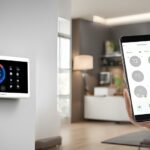
- Smart thermostats
- Battery storage
- Home energy monitoring systems
This combination improves efficiency and reduces electricity waste.
Excellent Solar Conditions
Spain is one of the best countries in Europe for solar energy.
Homes in Spain receive a lot of sunlight throughout the year, which improves solar production significantly.
Because of this, homeowners in Spain often recover installation costs faster compared to colder regions.
For many Spanish households, solar energy can create very strong long-term savings.
Growing Interest in Smart Energy Homes
France is also seeing rapid growth in residential solar energy adoption.
Many homeowners are combining solar panels with:
- Smart home systems
- Energy monitoring apps
- Electric vehicle charging
- Battery storage systems
This helps reduce energy waste naturally while improving home efficiency.
How Much Money Can Solar Panels Save?
One of the most common questions homeowners ask is:
How much money can solar panels actually save?
The answer depends on several factors:
- Electricity prices in your area
- Daily energy usage
- Sunlight exposure
- Solar system size
- Battery storage
- Household habits
However, many homeowners across Europe report noticeable savings after installation.
Typical Monthly Savings
Savings vary from home to home, but many households reduce electricity costs significantly.
Small Apartments
€45 – €100
Average Monthly SavingsMedium-Sized Family Homes
€110 – €220
Average Monthly SavingsLarge Homes
€300+
Average Monthly SavingsCommercial & Industry
€700+
Potential Monthly SavingsSmart Energy Habits Increase Savings
Solar panels work best when homeowners make small changes to energy usage habits.
For example:
- Running washing machines during daylight hours
- Charging electric vehicles while solar panels are producing energy
- Using smart thermostats
- Monitoring electricity usage through apps
These simple adjustments can improve long-term savings considerably.
Battery Storage Improves Efficiency
Battery systems are becoming increasingly popular across Europe.
Without a battery, unused daytime electricity is often sent back to the grid.
With battery storage, homeowners can save extra electricity and use it later during the evening or cloudy periods.
This increases energy independence and reduces reliance on expensive nighttime electricity.
Battery systems are especially common in:
- Germany
- Belgium
- Netherlands
- France
How Long Does It Take Solar Panels to Pay for Themselves?
The payback period refers to how long it takes for energy savings to recover the installation cost.

In Europe, many residential solar systems recover their costs within:
- 6 to 12 years
Some homes recover costs faster, especially where electricity prices are very high.
Since most solar panels last 25 years or more, homeowners can continue saving money long after the system has paid for itself.
Factors That Affect Payback Time
Several things influence how quickly solar panels become profitable.
Electricity Prices
Higher electricity prices usually improve savings faster.
Roof Direction
South-facing roofs generally produce the best results in Europe.
Daily Energy Usage
Homes using more daytime electricity often recover costs sooner.
Government Incentives
Financial support programs reduce upfront installation costs.
Do Solar Panels Work During European Winters?
Many people believe solar panels stop working during winter.
That is not true.
Solar panels generate electricity from sunlight, not heat.
Even during cold or cloudy weather, modern systems continue producing electricity.
Solar Panels in Northern Europe
Countries like Germany, the UK, Belgium, and the Netherlands still produce useful solar energy despite colder weather.
Although production is lower during winter compared to summer, modern solar systems still work effectively throughout the year.
In some cases, cooler temperatures can actually improve panel efficiency.
Snow and Solar Panels
Light snow usually melts quickly from solar panels because their dark surface absorbs sunlight.
Heavy snow may temporarily reduce energy production, but this is rarely a serious long-term problem in most European regions.
Roof Requirements Before Installing Solar Panels
Not every roof is perfect for solar installation.
Before installing a home solar system, homeowners should consider several important factors.
Roof Direction
South-facing roofs generally perform best.
East- and west-facing roofs can also work well.
Roof Condition
Solar panels last for decades, so the roof should also be in good condition before installation.
Older roofs may require repairs first.
Shade Problems
Trees, chimneys, and nearby buildings can block sunlight and reduce solar efficiency.
Professional installers normally evaluate shading before installation.
Roof Space
Larger systems require more roof space.
Smaller homes or apartments may use compact solar setups instead.
Real Home Examples Across Europe
Real examples help homeowners understand what to expect.
Germany Family Home
A family in Munich installs solar panels with battery storage.
They run appliances during daylight hours and store extra energy for evening use.
Even during cloudy winters, they still reduce electricity costs significantly because energy prices are high.
Spain Apartment Owner
An apartment owner in Valencia installs a small balcony solar system.
Despite limited space, daytime electricity costs decrease noticeably during sunny months.
France Smart Home Setup
A homeowner in Lyon combines:
- Solar panels
- Smart thermostat
- Energy monitoring system
This setup improves efficiency while reducing unnecessary electricity usage naturally.
Common Solar Panel Myths
There are still many misconceptions about solar energy.
Let’s clear up some common myths.
Solar Panels Only Work in Hot Countries
Germany is one of the world’s largest solar markets despite colder weather.
Solar panels need sunlight, not extreme heat.
Solar Panels Remove Electricity Bills Completely
Most homes still use some electricity from the grid during nighttime or winter.
However, monthly bills are often much lower.
Solar Panels Require Constant Maintenance
Modern solar systems usually need very little maintenance.
Most homeowners only need occasional cleaning and routine inspections.
Solar Panels Are Too Expensive
Solar systems still require investment, but prices have fallen significantly over recent years.
Government support and long-term savings often make solar energy more affordable than people expect.
Are Solar Panels Worth It in Europe in 2026?
Solar panels can provide:
- Lower electricity bills
- Better energy independence
- Long-term savings
- Protection from rising energy prices
- Reduced environmental impact
The best results usually happen when:
- Roof conditions are good
- Energy usage is relatively high
- Homeowners plan to stay long term
- Smart energy habits are combined with solar systems
Homes using battery storage and smart home technology often achieve the strongest long-term value.
Final Thoughts
Solar energy is no longer something only wealthy homeowners consider.
Across Europe, solar panels are becoming a practical way to reduce electricity costs, improve home efficiency, and gain more control over rising energy prices.
While installation still requires investment, modern systems provide much better value than they did a decade ago.
For many households, the combination of:
- Rising energy costs
- Government incentives
- Better solar technology
- Long-term savings
Makes solar energy a smart long-term decision.
The best approach is to think long term.
Solar panels may not remove every electricity bill completely, but they can reduce energy costs significantly while improving energy independence for many years.
Before making a final decision, it is always a good idea to compare local installers, evaluate your roof condition, and understand your household’s actual energy usage.
You can also explore related smart home energy guides to learn more ways to reduce electricity costs and improve home efficiency naturally.
Table of Contents
Are solar panels worth buying in Europe right now?
For many households, yes. Rising electricity prices and improving solar technology make solar systems more attractive than ever.
How long do solar panels last?
Most modern solar panels last between 25 and 30 years with proper maintenance.
Do solar panels work during cloudy weather?
Yes. Modern solar panels still generate electricity during cloudy days, although production is lower than bright sunny conditions.
Can solar panels remove electricity bills completely?
Usually not completely, but they can reduce electricity costs significantly.
Are batteries necessary for solar systems?
No, but battery storage improves energy independence by saving unused electricity for later use.