Electricity and heating bills are becoming a serious problem for many families across Europe. In countries like Germany, France, the UK, Italy, and Spain, people are paying far more for energy than they were just a few years ago.
For many households, winter is now the most expensive time of the year. Heating systems run for long hours, energy prices continue rising, and monthly bills are becoming harder to manage. Even small apartments can feel expensive to heat properly during colder months.
Because of this, more homeowners are now searching for simple ways to reduce energy waste without making expensive renovations or changing their entire home setup. One of the easiest and most affordable upgrades is installing a better thermostat.
A thermostat may look like a small device sitting quietly on the wall, but it can make a huge difference in how much energy your home uses every day. Modern thermostats help people control heating more efficiently, avoid wasting electricity, and create a more comfortable home at the same time.
Across Europe, smart thermostats are becoming more popular because they are easier to use, more affordable than before, and much better at managing energy compared to older heating systems.
In this guide, you will learn:
- How thermostats save money
- Why heating systems waste energy
- The difference between traditional and smart thermostats
- How smart heating improves home efficiency
- Common thermostat mistakes that increase heating bills
- Whether smart thermostats are really worth buying
- Tips for choosing the right thermostat for your home
If your energy bills keep increasing every winter, understanding how thermostats work could help you save money and make your home more energy efficient without major changes.
Why Heating Bills Are So High in Europe
Heating costs have increased quickly across many European countries over the last few years. There are several reasons behind this.
Rising Energy Prices
One of the biggest reasons is the increase in electricity and gas prices. Many households are now paying much more to heat their homes than they did before.
Even families who try to use energy carefully still end up with expensive monthly bills during winter.
Older Homes Waste More Energy
Another problem is that many European homes were built years ago before modern energy-saving technology became common.
Older homes often have:
- Poor insulation
- Old boilers
- Inefficient radiators
- Drafty windows
- Weak temperature control systems
Because of this, heating systems work harder and use more energy than necessary just to keep rooms warm.
Heating Empty Rooms
Many homes also waste energy by heating rooms nobody is using.
For example:
- Heating stays on while people are at work
- Guest rooms stay warm all day
- Heating runs overnight at high temperatures
- Empty apartments are still being heated
This creates a huge amount of wasted energy over time.
A thermostat helps solve many of these problems by controlling heating more efficiently and automatically.
What Is a Thermostat?
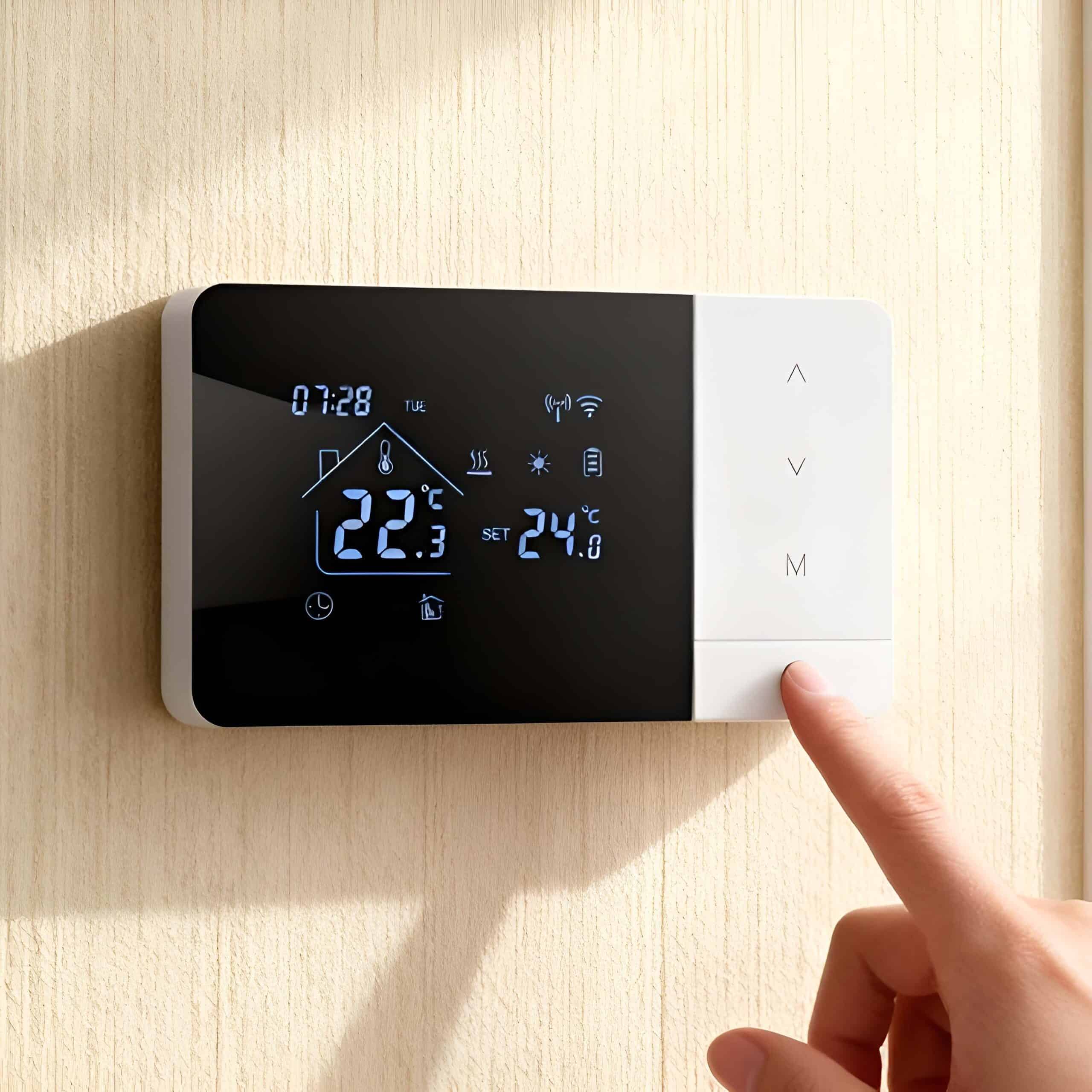
A thermostat is a device that controls the temperature inside your home.
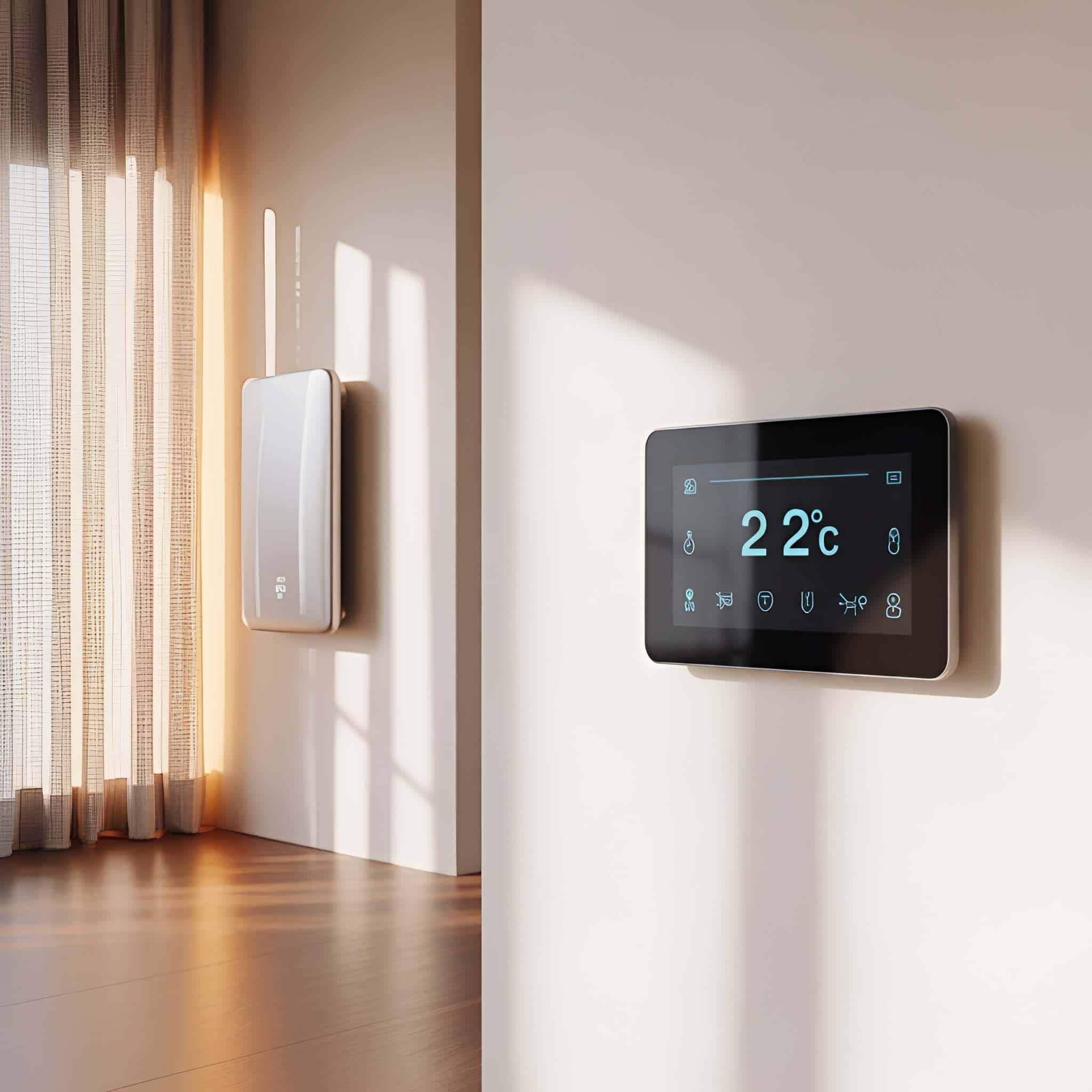
Its main job is simple:
- Turn heating on when rooms become cold
- Turn heating off when rooms reach the right temperature
Without a thermostat, heating systems would continue running longer than necessary, wasting both energy and money.
Older thermostats usually only allow manual control. This means homeowners must adjust temperatures themselves throughout the day.
Modern smart thermostats are much more advanced.
They can:
- Learn your daily routine
- Reduce heating automatically
- Control temperatures room by room
- Connect to your smartphone
- Show energy reports
- Detect when nobody is home
This helps homeowners reduce energy waste without constantly adjusting heating manually.
How Thermostats Save Money
Many people ask the same question:
“Do thermostats really save money?”
In most cases, yes — especially smart thermostats.
The savings happen because heating becomes more controlled, more balanced, and more efficient.
Smart Thermostats Reduce Unnecessary Heating
One of the biggest reasons for high heating bills is unnecessary heating.
Many homes stay warm even when:
- Nobody is home
- People are sleeping
- Rooms are empty
- Outdoor temperatures are already warm enough
Smart thermostats automatically lower heating during these times.
For example, imagine a family leaving home every weekday at 8 AM for work and school.
Instead of heating the house all day, the thermostat automatically lowers the temperature while the home is empty and turns heating back on before everyone returns home.
This simple adjustment can reduce a large amount of wasted energy over an entire winter season.
Better Heating Schedules Mean Lower Bills
Smart thermostats allow homeowners to create automatic heating schedules.
This means heating only works when it is actually needed.
Better Heating Schedules Mean Lower Bills.
Morning Schedule
Heating turns on shortly before people wake up so the home feels warm in the morning.
Evening Schedule
Heating increases again before the family returns home.
Night Schedule
Temperature lowers slightly during sleeping hours.
This creates a comfortable home while reducing unnecessary energy use.
Many homeowners do not realize how much money they waste by leaving heating at the same temperature all day and night.
Smart Thermostats Prevent Overheating
A very common mistake in many homes is overheating.
Some people increase the heating too much because they believe rooms will warm faster.
In reality, heating systems usually warm homes at the same speed regardless of how high the thermostat is set.
The result is often:
- Rooms becoming too hot
- Windows getting opened
- Energy being wasted unnecessarily
Smart thermostats help prevent this problem by keeping temperatures more stable and balanced throughout the day.
This improves comfort while reducing wasted energy.
Energy Monitoring Helps Homeowners Save More
Many smart thermostats now include energy monitoring features.
These systems can show:
- Daily heating usage
- Weekly energy trends
- Peak heating times
- Temperature habits
Once homeowners can clearly see where energy is being wasted, they usually begin making smarter decisions naturally.
For example, someone may notice that heating stays high late at night even after everyone has gone to sleep.
By making one small adjustment, they may reduce heating costs every single month.
Smart Thermostats vs Traditional Thermostats
Not all thermostats work the same way.
Understanding the difference is important before upgrading your heating system.
Traditional Thermostats
Traditional thermostats are basic temperature controllers.
They allow homeowners to:
- Set a temperature manually
- Turn heating on or off
However, they have several limitations:
- No mobile control
- No smart scheduling
- No learning features
- No energy reports
- No automatic adjustments
They still work, but they require more manual effort.
Smart Thermostats
Smart thermostats use modern technology to improve both efficiency and convenience.
Features often include:
- Wi-Fi connection
- Smartphone control
- Voice assistant support
- Energy tracking
- Automatic scheduling
- Motion detection
- Weather-based adjustments
Some smart thermostats can even learn daily habits automatically after a few weeks.
For example, if the system notices you reduce heating every night at 10 PM, it may begin doing this automatically.
This type of automation helps create long-term energy savings.
How Thermostats Improve Home Efficiency
Saving money is important, but thermostats also improve the overall efficiency of a home.
More Stable Temperatures
Without proper heating control, homes often feel uncomfortable.
Some rooms become too warm while others remain cold.
Smart thermostats help maintain more balanced temperatures throughout the house.
This creates a more comfortable living environment for everyone.
Less Energy Waste
Efficient homes are not only about using less energy. They are about using energy in smarter ways.
Thermostats help reduce waste by making sure heating only runs when necessary.
This improves the efficiency of the entire heating system.
Better Control While Away From Home
One of the most useful features of smart thermostats is remote control.
Using a mobile app, homeowners can:
- Turn heating on
- Reduce temperatures
- Change schedules
- Monitor energy use
This is especially useful for:
- Travelers
- Vacation homes
- Busy families
- Rental properties
For example, someone returning from a weekend trip can warm the house before arriving home instead of leaving heating active for several days.
Smart Thermostats Work Well With Solar Energy
Many homeowners across Europe are now using solar panels and renewable energy systems.
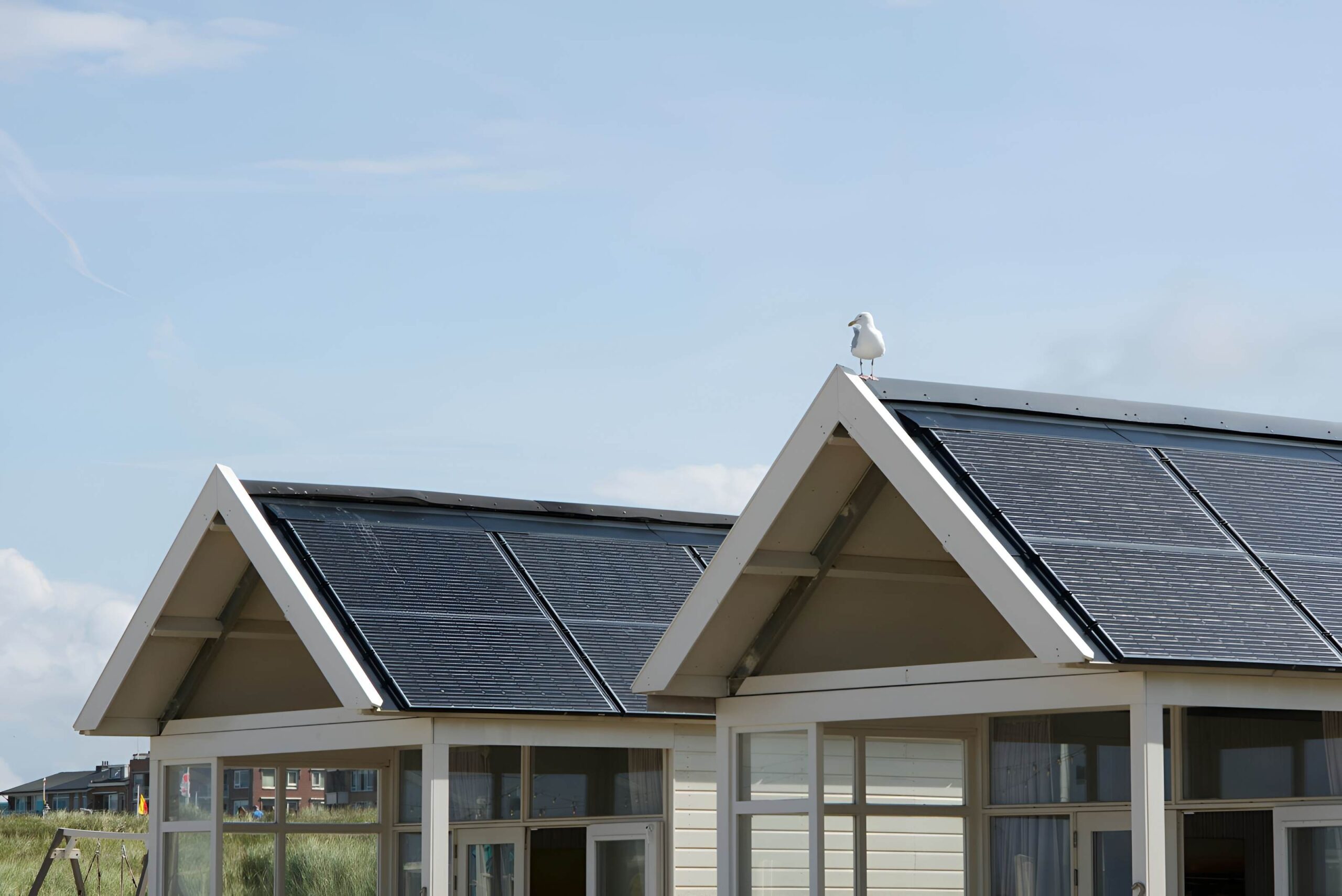
Smart thermostats work very well alongside these technologies.
They help households use energy more efficiently and reduce dependence on expensive electricity from the grid.
This combination is becoming increasingly popular in countries like:
- Germany
- Spain
- Italy
- Netherlands
- France
As renewable energy continues growing, smart heating systems will likely become even more important in modern homes.
Common Thermostat Mistakes That Waste Energy
Even good thermostats cannot save money if they are used incorrectly.
Here are some common mistakes homeowners make.
Constantly Changing Temperatures
Some people keep adjusting temperatures throughout the day.
This often increases energy usage instead of reducing it.
A stable heating schedule is usually more efficient.
Setting Heating Too High
Many people believe higher settings heat rooms faster.
That is usually not true.
Instead, homes become overheated and waste energy.
Ignoring Energy Reports
Energy reports help homeowners understand heating habits.
Unfortunately, many people never check them.
This means they miss simple opportunities to reduce waste.
Buying Cheap Low-Quality Devices
Very cheap smart thermostats sometimes have poor software and unreliable connections.
A higher-quality thermostat usually performs much better over time.
Reliable systems are easier to use, more stable, and more effective.
Are Smart Thermostats Worth It?
For many European homes, smart thermostats are absolutely worth the investment.
The biggest benefits include:
- Lower heating bills
- Better comfort
- Less energy waste
- More convenience
- Improved home efficiency
However, the amount of savings depends on several factors:
- Home size
- Heating system
- Insulation quality
- Daily habits
- Energy prices
Older homes with higher heating usage often benefit the most from smart heating controls.
Related Guides You May Also Like
If you want to improve your home’s energy efficiency even more, these topics are also useful:
Older homes with higher heating usage often benefit the most from smart heating controls.
- Best Smart Home Devices for Energy Saving
- Home Energy Monitoring Systems Explained
- Ways to Reduce Electricity Bills During Winter
- Solar Energy for European Homes
- Smart Home Energy Tips for Beginners
Final Thoughts
Heating costs across Europe are unlikely to disappear anytime soon. That is why more homeowners are looking for smarter ways to reduce energy waste and improve efficiency.
A thermostat may seem like a small upgrade, but it can make a real difference over time.
By controlling heating more intelligently, smart thermostats help families:
- Reduce energy bills
- Improve comfort
- Avoid wasted heating
- Use energy more efficiently
The best part is that you do not need a luxury smart home to benefit from better heating control.
Even small improvements in temperature management can lead to noticeable savings during winter.
If you want to improve home efficiency without making expensive renovations, upgrading your thermostat is one of the smartest places to start.
You can also explore more smart home energy guides to learn additional ways to reduce electricity costs and build a more efficient modern home.
Table of Contents
Do smart thermostats really save money?
Yes. Smart thermostats reduce unnecessary heating and help homeowners control energy usage more efficiently.
How much can a thermostat reduce heating bills?
Savings depend on the home and heating system, but many households notice lower heating costs after improving temperature control.
Are smart thermostats difficult to use?
Most modern smart thermostats are designed to be simple, user friendly, and easy to control through mobile apps.
Can smart thermostats work in apartments?
Yes. Smart thermostats work very well in apartments and smaller homes, especially where heating costs are high.
Is a smart thermostat worth buying in Europe?
For many European households, yes. Rising energy prices make efficient heating systems more valuable than ever.