What Is a Smart Home Energy Management System?
A smart home energy management system — often called a HEMS — is a technology that monitors, controls, and optimises how your home uses electricity. Think of it as a brain that sits behind the scenes, watching every device in your house that uses power and making intelligent decisions about when, how, and how much energy each one should use.
It connects to your smart meter, solar panels, home battery, electric vehicle charger, heating system, and smart appliances. Then it coordinates all of them together — automatically — to minimise your electricity bill, maximise your use of cheap or free energy, and reduce waste without you having to think about it.
In 2026, with electricity prices still significantly higher across Europe than they were five years ago, this kind of automated energy intelligence has moved from a luxury feature to a genuinely practical tool for millions of homeowners.
Why European Homeowners Are Paying More Attention in 2026
The energy crisis that began across Europe in 2021 and 2022 changed how people think about electricity permanently. Bills that were once an afterthought became one of the largest monthly household expenses for many families. Even as wholesale energy prices have partially stabilised, retail electricity prices across Germany, France, the Netherlands, Belgium, Italy, and the UK remain well above the levels most homeowners were used to before 2021.
That price reality has made energy management far more valuable than it ever was before. When electricity costs more, every kilowatt-hour you avoid buying from the grid — by using solar power, by shifting consumption to off-peak hours, or by eliminating standby waste — saves more money than it once did.
At the same time, more European homes now have solar panels, home batteries, and electric vehicles than at any previous point. Managing all three of those systems manually, alongside a household’s normal appliance usage, is genuinely complex. A HEMS does that coordination automatically.
If you have been wondering why your electricity bill keeps rising despite trying to cut back, a smart energy management system might reveal exactly where the waste is happening — and start fixing it automatically.
How a Smart Home Energy Management System Actually Works
Understanding what a HEMS does in practice is easier when you break it down into three core functions: monitoring, control, and optimisation.
Energy Monitoring
The first function is visibility. A HEMS connects to your home’s electrical system — usually through a smart meter or a dedicated energy monitoring device — and tracks how much electricity every circuit or device in your home is using in real time.
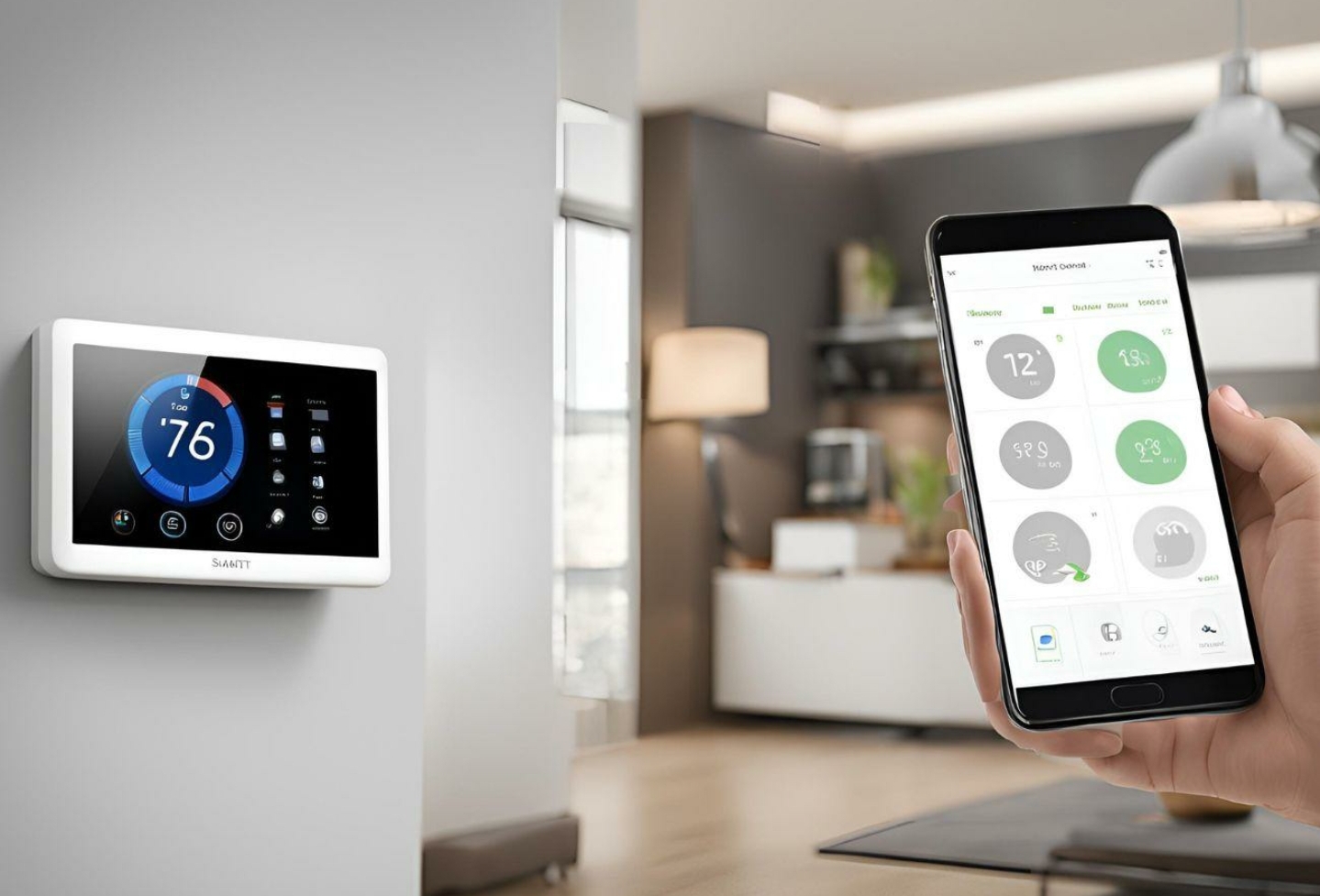
Most systems display this information through a smartphone app or a web dashboard. You can see your total household consumption, how much solar energy your panels are generating, how much you are exporting to the grid, and what your home battery’s current state of charge is — all updated live.
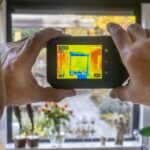
This monitoring function alone is valuable. Many homeowners are genuinely surprised by what they discover. Devices left on standby, old appliances drawing far more power than expected, heating systems running when no one is home — these are the kinds of hidden energy drains that simple changes can eliminate once you can actually see them happening.
Device Control
The second function is control. A HEMS integrates with smart devices throughout your home — smart plugs, smart thermostats, EV chargers, heat pump controllers, and smart appliances — and gives you the ability to control all of them from a single platform rather than switching between multiple separate apps.
You can switch things on or off remotely, set schedules, create scenes (like a “leaving home” routine that turns off non-essential devices automatically), and receive alerts when unusual consumption patterns are detected.
If you have already started building a smart home automation setup, a HEMS is the layer that adds energy intelligence on top of the convenience features you may already be using.
Automated Optimisation
The third function — and the one that separates a true HEMS from a simple monitoring app — is automated optimisation. This is where the system makes active decisions to reduce your energy costs without requiring you to do anything manually.
Examples of what automated optimisation looks like in practice:
- Your solar panels are generating more electricity than your home is currently using. Rather than exporting that surplus to the grid at a low rate, the HEMS automatically starts charging your home battery, begins charging your electric car, and switches on your dishwasher and washing machine — all using free solar energy.
- Your electricity tariff switches to a cheaper overnight rate at midnight. The HEMS automatically schedules your EV charging, hot water heating, and battery top-up to run during those cheaper hours.
- A cold snap is forecast for tomorrow morning. The HEMS pre-heats your home tonight using cheap overnight electricity so your heating system runs less during the expensive peak-rate morning hours.
- Your home battery reaches 80 percent charge. The HEMS switches the excess solar output to your immersion heater rather than exporting it at a low feed-in tariff rate.
All of these decisions happen automatically, continuously, every day. The cumulative effect across a year is a significant reduction in the amount of expensive grid electricity your home consumes.
The Core Components of a Smart Energy Management System
A HEMS is not a single device — it is an ecosystem of connected components working together. Understanding each one helps you decide which elements your home already has and what you might need to add.
Smart Meter or Energy Monitor
The foundation is a way to measure your home’s electricity consumption and generation in real time. In many European countries, smart meters are now standard or being rolled out rapidly. If you do not yet have a smart meter, a clamp-on energy monitor attached to your main consumer unit can provide similar real-time data.
Solar Generation System
Solar panels are the energy source that makes a HEMS most financially rewarding. When your system generates free electricity during daylight hours, the HEMS’s job is to ensure as much of that free energy as possible is used within your home rather than exported to the grid at a low rate. Without solar, a HEMS still provides value through tariff optimisation and consumption monitoring, but the biggest savings come when there is free solar energy to manage.
If you are considering adding solar panels, our guide on how to choose the right solar panel for your home in 2026 covers everything you need to know before making that decision.
Home Battery Storage
A home battery gives your HEMS much more flexibility. It stores surplus solar energy generated during the day and releases it in the evening when your household consumption is typically highest. It can also be charged overnight on cheap tariff electricity and discharged during expensive peak hours. A HEMS coordinates the battery’s charging and discharging cycles automatically to maximise the financial benefit.
Smart EV Charger
An electric vehicle with a smart charger is one of the largest controllable loads in a modern home. A HEMS can prioritise solar charging during the day, shift grid charging to cheap overnight tariff hours, and pause charging automatically when grid electricity enters a peak-price period. Over the course of a year, smart EV charge management typically saves a meaningful amount compared to unmanaged charging.
Smart Thermostat and Heating Control
Heating and cooling typically account for the largest share of a home’s energy use. A smart thermostat integrated into a HEMS allows heating schedules to be optimised around tariff prices, solar availability, and occupancy patterns rather than running on a fixed schedule regardless of conditions.
Smart Plugs and Appliances
Smart plugs allow standard appliances to be brought under HEMS control, while smart appliances communicate their energy status directly. A well-chosen set of energy-saving smart home devices gives the HEMS more opportunities to shift consumption to cheap or free energy periods. The top home automation devices worth buying in 2026 are specifically designed to integrate with energy management platforms.
What Are the Real Financial Benefits?
The financial case for a smart home energy management system depends on what equipment you already have, your local electricity tariff structure, and how much solar energy your home generates. But the numbers across real-world European installations are consistently compelling.
Maximising Solar Self-Consumption
Without any active management, a typical European home with solar panels self-consumes around 25 to 35 percent of the solar energy its system generates. The rest is exported to the grid, usually at a feed-in tariff rate that is lower — sometimes significantly lower — than the retail rate you pay for imported electricity.
A HEMS increases self-consumption by automatically shifting flexible loads — EV charging, battery charging, dishwashers, washing machines, water heating — to run during peak solar generation hours. Studies of real-world HEMS installations in Germany and the Netherlands consistently show self-consumption rates increasing to 60 to 80 percent with active management. The financial value of that shift, at current European electricity prices, is substantial.
For homeowners who want to go even further, our complete guide on how to build a zero electricity bill home with solar panels and smart energy systems covers exactly how this can be achieved in 2026.
Tariff Optimisation
Time-of-use electricity tariffs — where the price per kilowatt-hour changes depending on the time of day — are now widely available across Europe and are becoming the default tariff structure in several markets. A HEMS exploits these price differences automatically, shifting consumption away from expensive peak hours and toward cheap off-peak periods.
In a home with an EV, a home battery, and a heat pump, the combination of solar self-consumption maximisation and tariff optimisation can reduce annual electricity costs by 30 to 50 percent compared to the same home without active energy management.
Standby and Waste Elimination
The monitoring function of a HEMS consistently identifies standby consumption and energy waste that homeowners were previously unaware of. Old and inefficient appliances in particular often reveal themselves as significant energy drains once real-time monitoring is in place. The 10 simple ways to reduce electricity bills become significantly more effective when a HEMS helps you identify which of them will have the biggest impact in your specific home.
Which Smart Home Energy Management Systems Are Available in Europe?
The European HEMS market has grown significantly since 2022, and there are now several strong options available at different price points and with different feature sets.
SMA Sunny Home Manager
SMA is one of the most established solar inverter and energy management brands in Europe, with particularly strong presence in Germany and the Netherlands. The Sunny Home Manager integrates tightly with SMA inverters and battery systems and provides detailed energy flow monitoring, device scheduling, and grid feed-in optimisation. A strong choice for homes with SMA solar equipment already installed.
Fronius Solar.web and Ohmpilot
Fronius, an Austrian manufacturer, offers a comprehensive energy management ecosystem built around their solar inverters. The Ohmpilot device specifically manages hot water heating using surplus solar energy — one of the most cost-effective single additions to a solar home. Well suited to Central European markets.
Loxone
Loxone is an Austrian smart home platform that goes beyond energy management to cover the full home automation spectrum. Its energy management capabilities are integrated into a broader smart home control system, making it a strong option for homeowners who want both convenience automation and energy optimisation in one platform. Popular in Germany, Austria, Switzerland, and the Netherlands.
GivEnergy / GivHome
GivEnergy has become one of the most popular home battery and energy management solutions in the UK market. Their GivHome platform integrates solar, battery, EV charging, and tariff optimisation through a single app. Particularly well suited to UK homes on time-of-use tariffs that offer some of the most sophisticated dynamic pricing in Europe.
Home Assistant with Energy Dashboard
For technically confident homeowners, the open-source Home Assistant platform with its dedicated Energy Dashboard provides a highly flexible HEMS that can integrate with almost any smart home device regardless of brand. It requires more setup effort than commercial solutions but offers unmatched flexibility and no ongoing subscription costs.
How Much Does a Smart Home Energy Management System Cost?
HEMS costs vary considerably depending on whether you are adding management software to an existing smart home setup or building a complete integrated system from scratch.
Software-Only Solutions
If you already have a smart inverter, home battery, and smart EV charger, a software-based HEMS may require little or no additional hardware. Some platforms, including Home Assistant, are free. Others charge a monthly or annual subscription of €5 to €20 per month for premium features.
Hardware-Based Systems
A dedicated hardware HEMS — like the SMA Sunny Home Manager or Fronius Ohmpilot — typically costs between €200 and €600 for the device itself, plus installation costs of €100 to €300 depending on the complexity of your system. These are one-off costs with no ongoing subscription.
For homeowners on a tight budget, our guide to budget-friendly smart home automation shows how to build an effective energy management foundation without spending more than necessary.
Full Integrated Systems
If you are starting from scratch — adding solar, battery, smart EV charger, and HEMS together — the total system cost will be driven primarily by the solar and battery components. The HEMS element typically represents a small fraction of the total investment but a disproportionately large share of the ongoing financial return.
Do You Actually Need a Smart Home Energy Management System?
The honest answer is: it depends on what you already have and what your energy situation looks like. Here is a clear framework for thinking about it.
You Will Benefit Most If
- You have solar panels and want to maximise how much of that free energy you use within your home
- You have or are planning a home battery and want it to charge and discharge at the most financially optimal times
- You have an electric vehicle and want to charge it on solar or cheap overnight tariff electricity automatically
- You are on a time-of-use electricity tariff with meaningful price differences between peak and off-peak hours
- You have a heat pump or electric heating that represents a large controllable load
- You want a single dashboard view of your home’s entire energy picture
A Basic Setup May Be Sufficient If
- You rent your home and cannot install permanent equipment
- You do not have solar panels and are not planning to install them
- Your primary goal is convenience automation rather than energy cost reduction
- You are on a flat-rate electricity tariff with no time-of-use pricing
Even without solar or storage, the monitoring and scheduling features of a HEMS still identify savings opportunities. The best energy-saving smart home devices for European homes give the HEMS more to work with and compound the benefit over time.
Getting Started With Smart Home Energy Management: A Practical Path
You do not need to implement everything at once. A staged approach lets you see results at each step and make informed decisions about what to add next.
Stage 1: Get Visibility
Install a smart meter or energy monitor and spend two to four weeks simply watching your consumption data. Identify your highest-consumption devices, your peak usage times, and any standby waste. This costs little or nothing and immediately reveals where your biggest opportunities are. Reading about easy ways to cut your electricity bill this month alongside your monitoring data makes the quick wins immediately obvious.
Stage 2: Add Scheduling and Smart Plugs
Use smart plugs and your existing smart devices to start shifting flexible loads — dishwasher, washing machine, EV charging — to off-peak tariff hours. This step alone, done consistently, produces a measurable reduction in your electricity bill. Many of the simplest ways to reduce your electricity bill in Europe involve exactly this kind of scheduled consumption shifting.
Stage 3: Integrate Solar and Storage
If you add solar panels and a home battery, this is where a proper HEMS earns its place. The automated coordination of solar generation, battery charging, and household loads is complex enough that manual management quickly becomes impractical. A HEMS handles this automatically and consistently, day and night, across every season.
Stage 4: Add EV Integration and Tariff Optimisation
With an EV in the mix and a time-of-use tariff, the HEMS becomes a genuinely sophisticated energy optimiser. It balances solar charging priority, cheap overnight grid charging, battery state management, and peak avoidance — all automatically, all day, every day.
Common Mistakes to Avoid When Setting Up Energy Management
Even with the right technology in place, a few common mistakes can reduce the effectiveness of a HEMS significantly.
Choosing Incompatible Devices
Not every smart device integrates with every HEMS platform. Before purchasing any smart appliance, charger, or thermostat, confirm that it is compatible with the energy management platform you plan to use. Mixing devices from ecosystems that do not communicate with each other results in manual switching rather than automatic optimisation.
Setting and Forgetting Without Reviewing
A HEMS works best when its settings are reviewed periodically. Electricity tariff structures change, household routines change, and seasonal adjustments improve performance. Spending thirty minutes reviewing your system settings each season keeps it performing at its best.
Ignoring the Monitoring Data
The monitoring dashboard your HEMS provides is one of its most valuable features. Homeowners who engage with their energy data — checking their app weekly, responding to alerts about unusual consumption — consistently achieve better results than those who install the system and never look at the data again.
Underestimating the Value of a Smart Tariff
A HEMS paired with a standard flat-rate electricity tariff captures only a fraction of its potential savings. If your energy supplier offers a time-of-use tariff and you are not already on one, switching is often the single highest-impact change you can make alongside installing the HEMS itself.
Smart Home Energy Management and Renters: What Are Your Options?
Not every European homeowner has the option to install solar panels, a home battery, or a permanent wallbox charger. For renters, the path to smart energy management looks different — but it is not closed off entirely.
What Renters Can Do Without Landlord Permission
Several elements of smart energy management require no permanent installation and can be taken with you when you move. Smart plugs are the clearest example — they plug into existing sockets and give you scheduling and monitoring capability for any appliance instantly. A clamp-on energy monitor can be attached to your consumer unit temporarily to give you the same real-time consumption visibility as a full smart meter. A smart thermostat that replaces an existing programmable thermostat is reversible and can be taken when you leave.
These three elements alone — smart plugs, an energy monitor, and a smart thermostat — give a renter meaningful control over their energy consumption. Understanding why your electricity bill is so high is often the first step that motivates renters to start with these smaller tools.
Having the Conversation With Your Landlord
In many European countries, legislation now supports tenants’ rights to request energy efficiency improvements and EV charger installation. In France, Germany, the Netherlands, and the UK, landlords are increasingly required to provide minimum energy efficiency standards, which creates an opening for tenants to raise the question of smart energy management improvements.
The Future of Smart Home Energy Management in Europe
The trajectory of smart home energy management in Europe points strongly toward greater integration, lower costs, and higher intelligence over the next few years.
Vehicle-to-Grid and Vehicle-to-Home
V2G (vehicle-to-grid) and V2H (vehicle-to-home) technology — which allows an electric car’s battery to export electricity back to the home or grid — is becoming commercially available in Europe in 2026. An EV with V2H capability effectively adds a large mobile battery to your home energy system. A HEMS that can coordinate V2H discharge alongside your home battery and solar generation significantly increases your energy independence and financial return.
AI-Driven Optimisation
Leading HEMS platforms are incorporating machine learning to improve their optimisation decisions. Rather than following fixed rules, AI-driven systems learn your household’s consumption patterns, predict solar generation based on weather forecasts, and anticipate electricity price movements on dynamic tariffs — making increasingly accurate decisions about when to consume, store, and export energy.
Grid-Level Demand Response
Several European energy suppliers now offer programmes that pay homeowners to allow their HEMS to temporarily shift consumption away from periods of peak grid stress. This demand response capability turns your home energy system into a small participant in grid balancing — and adds another revenue stream on top of the direct bill savings.
Measuring the Impact: How to Know If Your System Is Working
One of the most satisfying aspects of smart home energy management is that the results are measurable. Unlike many home improvement investments, you can see the financial impact of a HEMS in your monthly energy bills and in the data your monitoring system provides.
Key Metrics to Track
- Solar self-consumption rate: The percentage of your solar generation that you use directly in your home rather than exporting. A HEMS should push this toward 60 to 80 percent from a baseline of 25 to 35 percent without management.
- Grid import during peak tariff hours: This should decrease as your HEMS shifts more consumption to off-peak and solar generation periods.
- Monthly electricity spend: Compare month-on-month against the same month in the previous year, adjusting for any changes in tariff rates or household size.
- Battery cycle efficiency: A well-managed home battery should be cycling daily — charging during solar or cheap tariff periods and discharging during expensive periods.
Setting Realistic Expectations
The largest savings from a smart home energy management system typically appear gradually rather than immediately. The first month after installation shows some improvement as obvious inefficiencies are addressed. By the end of a full year, you have a complete picture of the annual saving — and a clear baseline for comparing future performance.
The energy-saving appliances you integrate into your HEMS over time also compound the benefit. Each new smart device that comes under the system’s coordination adds another layer of optimisation to the overall picture.
FAQ — People Also Ask About Smart Home Energy Management
What is the difference between a smart meter and a smart home energy management system?
A smart meter measures your home’s electricity consumption and reports it to your energy supplier automatically. A smart home energy management system uses that consumption data — alongside data from your solar panels, battery, EV charger, and smart appliances — to actively control and optimise how your home uses energy. A smart meter gives you visibility; a HEMS gives you control and automation.
Can a smart home energy management system work without solar panels?
Yes. A HEMS still provides value without solar through tariff optimisation, standby elimination, and consumption scheduling. However, the largest financial benefits come when there is solar generation to manage — because the system can maximise self-consumption of free solar energy rather than exporting it at a low rate.
How much can a smart home energy management system save on electricity bills?
Savings vary significantly depending on your home’s equipment, local electricity prices, and tariff structure. Homes with solar panels, a home battery, and an EV typically see annual savings of 30 to 50 percent on electricity costs compared to equivalent homes without active energy management. Homes without solar or storage typically see more modest savings of 10 to 20 percent through tariff optimisation and waste elimination.
Is a smart home energy management system difficult to set up?
Commercial HEMS products designed for homeowners are designed to be set up by a qualified installer as part of a solar or battery installation. Most require minimal ongoing management once configured. Open-source platforms like Home Assistant offer more flexibility but require more technical confidence to configure well.
Will a smart home energy management system work with my existing smart home devices?
Compatibility varies by platform. Most major HEMS platforms support integration with popular smart home ecosystems including Google Home, Amazon Alexa, and Apple HomeKit, as well as direct integration with leading brands of smart thermostats, EV chargers, and inverters. Before purchasing, confirm that your existing devices are supported by the platform you are considering.
Is a Smart Home Energy Management System Worth It in 2026?
For a European homeowner with solar panels, a home battery, or an electric vehicle — or any combination of the three — the answer in 2026 is clearly yes. The financial case is strong, the technology is mature, and the platforms available have become genuinely user-friendly.
For a homeowner without any of those assets, the answer is more nuanced. A basic monitoring and scheduling setup still offers meaningful savings, and it positions your home to benefit fully when you do add solar or storage in the future.
The most important step is the first one: get visibility into how your home actually uses energy. From that starting point, every subsequent decision — about which devices to add, which tariff to switch to, which HEMS platform to choose — becomes easier and better informed.
If reducing your energy costs is a priority, understanding why your electricity bill is so high is the natural place to begin. A smart home energy management system is how you fix it — permanently and automatically.
Want to take the next step? Our guide on the best energy-saving smart home devices for European homes covers exactly which products integrate best with energy management systems and deliver the strongest return on investment in 2026.