Electricity prices across Europe have changed the way people think about energy at home. A few years ago, smart home devices were mostly viewed as expensive gadgets or luxury upgrades for modern houses. Today, the situation is very different. More homeowners are turning to smart technology for one simple reason: they want lower energy bills without giving up comfort.
In countries like Germany, France, Spain, Italy, and the Netherlands, families are actively searching for practical ways to reduce electricity and heating costs. Rising utility prices, colder winters, and growing awareness around sustainability have pushed smart energy solutions into the mainstream.
The good news is that improving energy efficiency no longer requires a huge renovation budget or a futuristic home setup. Even a few simple devices, such as a smart thermostat, smart plug, or home energy monitor, can help reduce waste and improve the way a home uses electricity.
This guide explores the best smart home devices for energy saving, how they work in real households, and which upgrades are actually worth considering in 2026.
Why Energy Devices Are Becoming Essential in Europe
Energy costs across Europe remain unpredictable. Heating bills during winter continue to place pressure on household budgets, especially in colder regions. At the same time, European governments are encouraging more efficient energy use through renewable energy programs and sustainability initiatives.
As a result, homeowners are paying closer attention to how electricity is used every day.
Many people are surprised when they start monitoring their energy usage properly. Small habits often create larger costs than expected, including:
- Heating systems running longer than necessary
- Appliances staying on standby all day
- Inefficient lighting systems
- Older electronics wasting electricity
- Devices operating during expensive peak hours
Home devices help solve these problems by automating energy-saving habits and giving homeowners better visibility into how their homes actually consume power.
In simple terms, smart energy technology helps households waste less electricity without making life more complicated.
Smart Thermostats: The Most Effective Energy-Saving Upgrade
If there is one smart device that consistently helps European homeowners reduce energy bills, it is the smart thermostat.
Heating represents one of the biggest household energy expenses across Europe, particularly during winter. Traditional thermostats often rely on manual adjustments, which can lead to unnecessary heating and wasted energy.
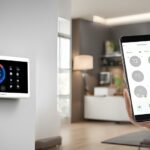
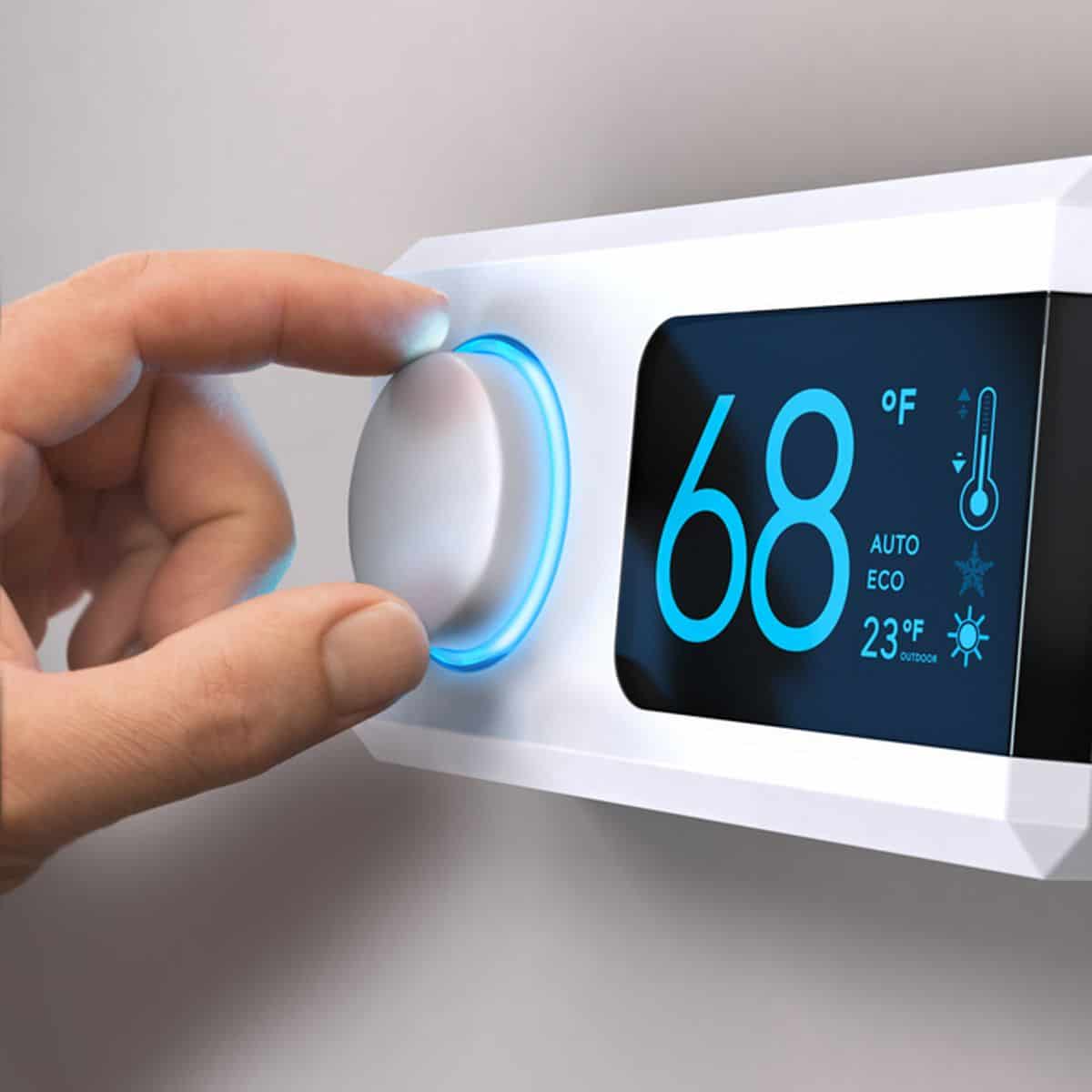
Smart thermostats work differently. They learn household routines, adjust temperatures automatically, and reduce heating when nobody is home. Some systems can even analyze weather conditions and optimize heating schedules based on outdoor temperatures.
How Smart Thermostats Save Energy
A smart thermostat can:
- Lower heating while residents are away
- Warm the home before people arrive
- Reduce unnecessary nighttime heating
- Maintain more accurate room temperatures
- Provide detailed heating reports and usage data
For example, many families leave heating systems running longer than needed simply because manually adjusting temperatures becomes inconvenient. Smart automation removes that problem.
In countries like Germany and the UK, smart thermostats are becoming increasingly common in both houses and apartments because winter heating costs can rise quickly.
Are Smart Thermostats Worth the Cost?
For most households, yes.
The biggest advantage is not only energy savings but also consistency. Smart systems reduce waste automatically, which often works better than relying on daily habits alone.
Homeowners with older heating systems usually notice the biggest improvements because inefficient heating creates more opportunities for savings.
Smart Plugs: Small Devices With Big Benefits
Smart plugs are often overlooked because they seem simple, but they are actually one of the easiest and most affordable ways to improve home energy efficiency.
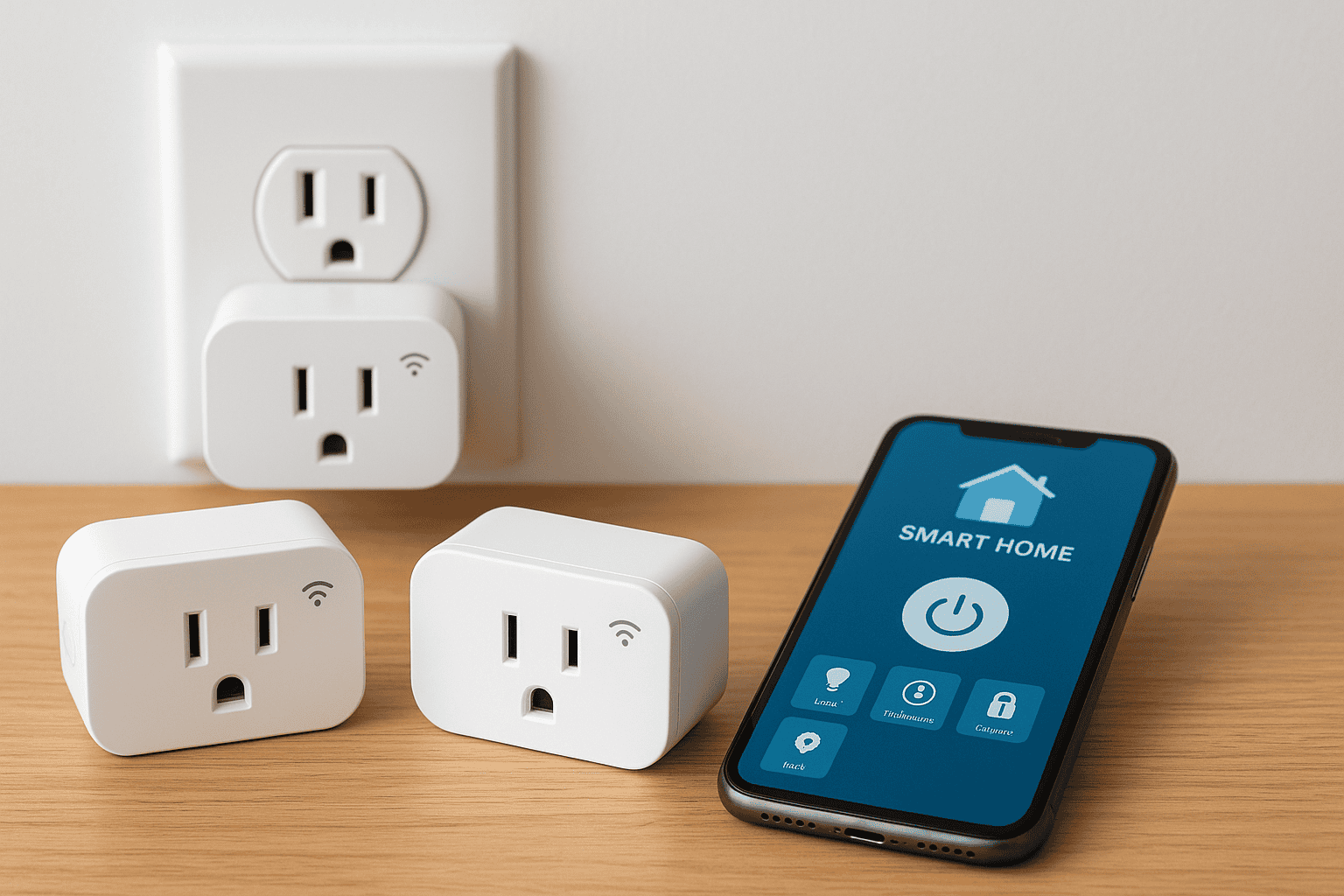
A smart plug connects between an appliance and the wall socket. Through a mobile app, homeowners can control exactly when devices receive power.
This matters because many electronics continue consuming electricity even when they appear to be turned off.
Televisions, gaming consoles, coffee machines, chargers, and kitchen appliances often use standby power throughout the day.
What Smart Plugs Can Do
Smart plugs allow users to:
- Turn devices off remotely
- Schedule appliance usage
- Monitor electricity consumption
- Automatically cut standby power
- Run appliances during cheaper energy periods
One apartment owner in Spain discovered that several entertainment devices were quietly consuming electricity 24 hours a day. After installing smart plugs, standby energy waste dropped almost immediately.
The savings from one appliance may seem small, but multiple devices running continuously can noticeably increase yearly electricity costs.
Best Places to Use Smart Plugs
Smart plugs work especially well for:
- Entertainment systems
- Portable heaters
- Coffee machines
- Gaming setups
- Chargers
- Office equipment
For beginners entering the world of smart home technology, smart plugs are often the safest and simplest starting point.
Smart Lighting Systems and LED Automation
Lighting may not be the largest energy expense in a home, but inefficient lighting still contributes to unnecessary electricity usage.
Modern smart lighting systems combine energy-efficient LED bulbs with automation features that naturally reduce waste.
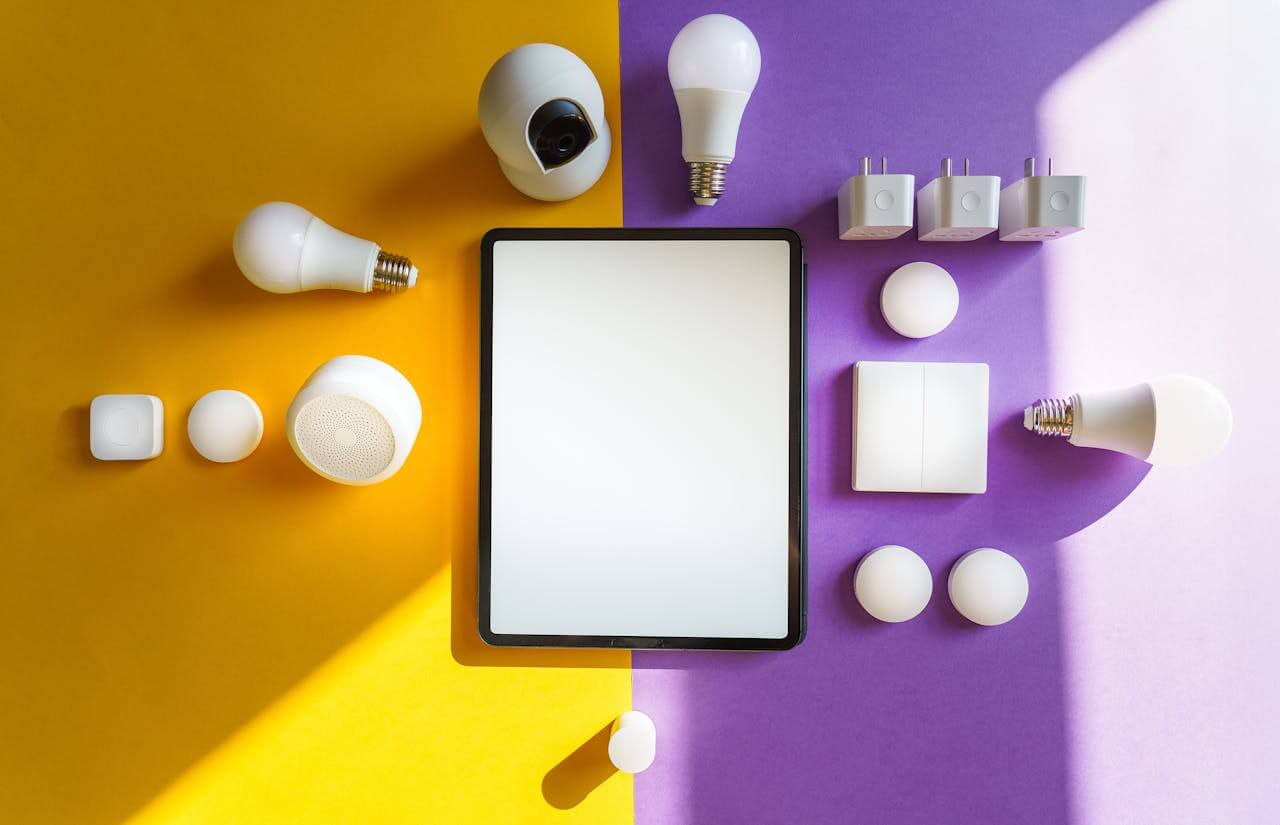
How Smart Lighting Improves Efficiency
Smart lighting systems can:
- Turn lights off automatically
- Use motion sensors
- Adjust brightness levels
- Follow customized schedules
- Be controlled remotely through mobile apps
For example, hallway or bathroom lights often remain on accidentally for long periods. Motion-controlled systems solve this issue automatically.
Some homeowners also use smart lighting to reduce daytime electricity usage by adjusting brightness according to natural sunlight levels.
LED Lighting Makes a Bigger Difference Than Many People Realize
Traditional incandescent bulbs waste a large portion of energy as heat.
LED smart bulbs use significantly less electricity and usually last much longer. Over time, this reduces both electricity costs and replacement expenses.
In countries where energy prices remain high, lighting efficiency becomes financially worthwhile much faster.
Home Energy Monitoring Systems: Understanding Where Electricity Goes
One of the most valuable smart home upgrades is not always the device that directly saves energy. Sometimes the biggest benefit comes from understanding exactly where electricity is being wasted.
That is what home energy monitoring systems provide.
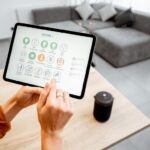
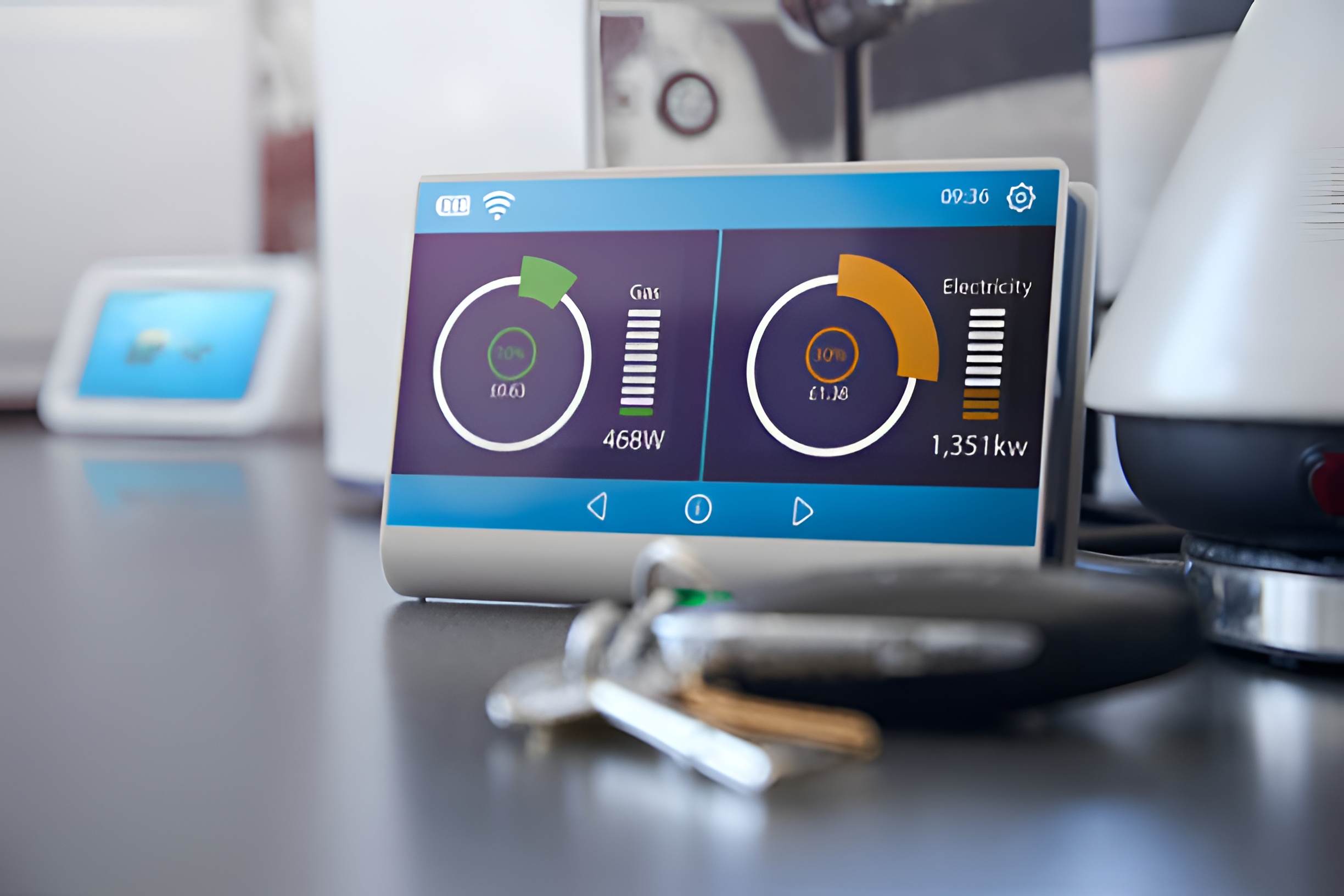
These systems track real-time electricity usage throughout the home and show which appliances consume the most power.
Why Energy Monitoring Changes Household Habits
Most homeowners simply guess where electricity waste happens. Energy monitors remove the guessing completely.
They can reveal:
- Peak electricity usage times
- High-consumption appliances
- Hidden standby power usage
- Seasonal changes in energy demand
In many households, the results are surprising.
Older refrigerators, portable electric heaters, and outdated washing machines often consume far more electricity than expected.
Once people see the actual numbers, they naturally begin adjusting their habits. That awareness alone often leads to lower energy usage.
Energy Monitoring Is Especially Useful With Solar Systems
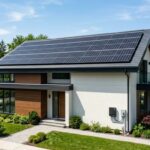
In countries like Italy and Germany, solar panel adoption continues to grow rapidly.
Energy monitoring systems help homeowners track:
- Solar energy production
- Battery storage levels
- Household electricity usage
- Grid energy consumption
Without monitoring systems, many households fail to fully optimize their renewable energy setups.
Appliances That Improve Energy Efficiency
Modern smart appliances are becoming far more efficient than older household equipment.
This includes:
- Washing machines
- Dishwashers
- Refrigerators
- Air conditioners
- Heat pumps
Many newer appliances now include automation features specifically designed for energy saving.
Washing Machines and Dishwashers
Some smart appliances automatically operate during off-peak electricity hours.
In countries using time-based electricity pricing, this can help reduce overall energy costs without changing daily routines.
For example, a dishwasher may automatically start overnight when electricity demand is lower.
Refrigerators and Cooling Systems
Older cooling appliances are often major energy consumers.
Modern smart refrigerators use sensors and adaptive cooling systems to reduce unnecessary power usage.
While replacing appliances purely for smart features may not always make financial sense, upgrading old inefficient devices can improve overall energy performance significantly.
Common Mistakes People Make With Smart Energy Devices
Not every smart home setup works efficiently. Many homeowners make mistakes that reduce the benefits of their systems.
Buying Too Many Devices Too Quickly
Some people buy multiple smart products immediately without understanding how they work together.
This often creates confusion instead of efficiency.
A better approach is to begin with:
- Basic energy monitoring
- A few smart plugs
- One smart thermostat
Once energy habits become clearer, expanding the system becomes much easier and more practical.
Ignoring Energy Reports
Many users stop checking their energy reports after a few weeks.
That is where valuable insights are missed.
Smart systems provide useful information about:
- Electricity usage patterns
- Heating efficiency
- Standby power waste
- High-cost energy periods
Small adjustments based on this data often create the biggest long-term savings.
Choosing Cheap, Unreliable Products
Low-quality smart devices frequently suffer from:
- Poor app support
- Weak Wi-Fi connections
- Software problems
- Limited compatibility
Reliable brands usually provide better long-term performance and more stable automation systems.
For energy-saving devices, consistency matters more than flashy features.
Are Smart Home Devices Enough to Reduce Energy Bills?
Smart devices certainly help, but they work best when combined with broader energy-efficient habits.
For example:
- Good insulation
- Efficient heating systems
- Proper ventilation
- Energy-efficient windows
- Modern appliances
A poorly insulated home may still lose large amounts of heat regardless of how advanced the thermostat is.
That is why smart technology should be viewed as part of a complete energy-efficiency strategy rather than a full solution on its own.
Still, even small smart upgrades can improve awareness, convenience, and day-to-day energy management significantly.
The Future of Smart Energy in European Homes
Smart home technology is evolving rapidly, especially as artificial intelligence becomes more integrated into household systems.
Future smart homes may automatically:
- Predict energy usage patterns
- Respond to changing electricity prices instantly
- Optimize solar battery storage
- Charge electric vehicles during off-peak hours
- Adjust heating according to weather forecasts
At the same time, Europe’s energy systems are becoming smarter through renewable energy expansion and modern smart grids.
Homes are slowly turning into active participants in energy management rather than simply consuming electricity passively.
For homeowners, this means better control, improved efficiency, and more opportunities to reduce long-term energy costs.
Final Thoughts
Smart home devices are no longer just modern tech accessories. Across Europe, they are becoming practical tools for reducing electricity waste and managing rising energy costs more effectively.
The most useful systems are usually the simplest ones.
A smart thermostat, a few smart plugs, or a home energy monitor can already help homeowners understand where electricity is being wasted and improve efficiency without major lifestyle changes.
What matters most is using technology intentionally rather than filling homes with unnecessary gadgets.
For many households, smart energy is less about automation and more about gaining better control over how electricity is used every day.
If you are planning to improve your home’s energy efficiency, starting small is often the smartest approach. From there, you can gradually build a system that matches your home, budget, and long-term energy goals.
Table of Contents
Do smart home devices really save electricity?
Yes, many smart home devices help reduce electricity usage by automating daily energy habits. Devices like smart thermostats, smart plugs, and LED lighting systems can lower unnecessary energy consumption and improve overall efficiency.
Which smart home device saves the most energy?
Smart thermostats usually provide the biggest energy savings because heating is one of the largest household energy expenses in Europe. They automatically adjust temperatures based on schedules, occupancy, and weather conditions.
Are smart home devices expensive to install?
Not always. Many smart devices are affordable and easy to install without professional help. Smart plugs and smart bulbs are often inexpensive entry-level upgrades for beginners.