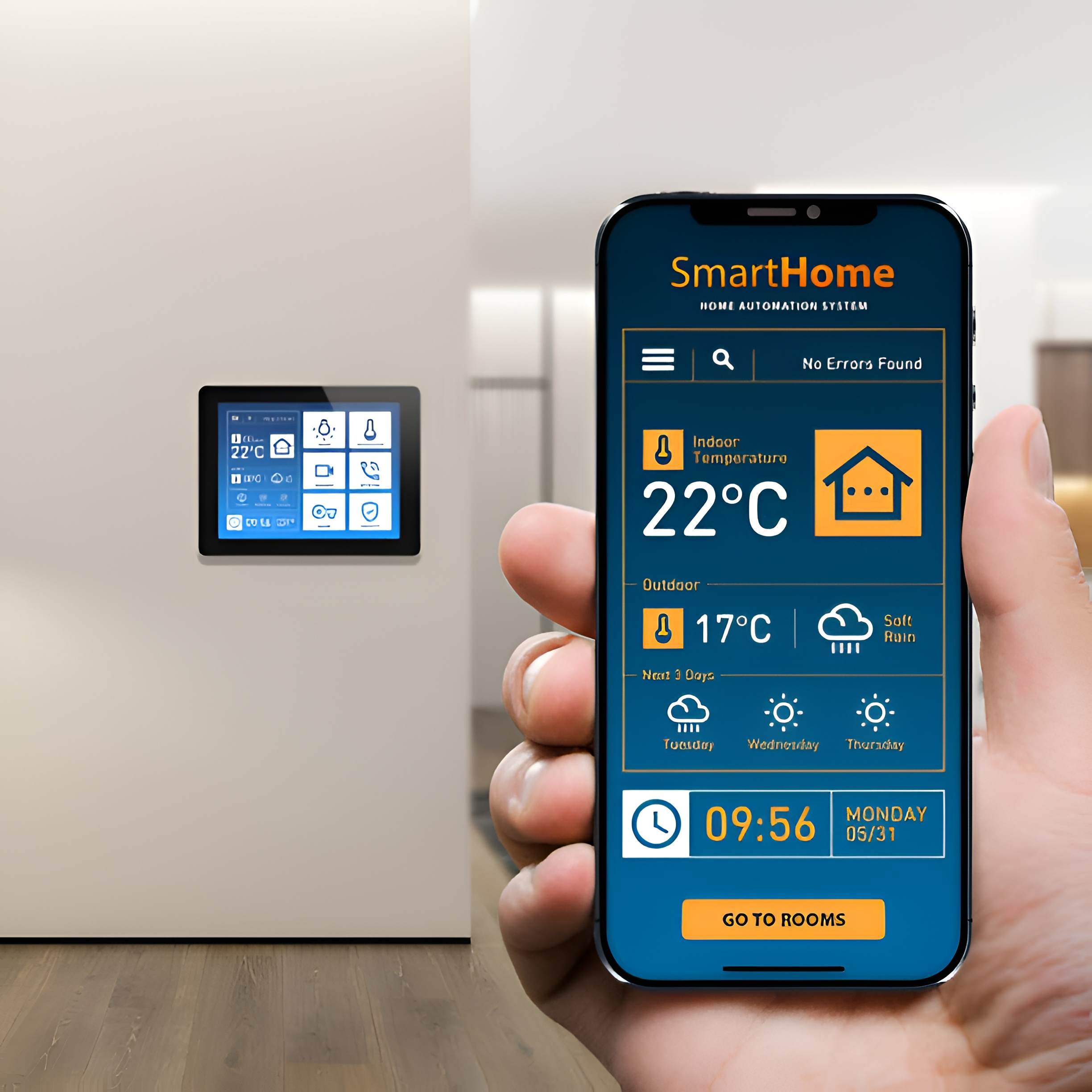
Electricity bills are becoming a serious problem for homeowners around the world. In 2026, energy prices continue to rise while homes use more electricity than ever before. Air conditioning systems run longer during hot summers, heaters work harder in winter, and modern homes are now filled with connected devices that quietly consume electricity all day.
Many people feel frustrated because their electricity bills keep increasing even though their lifestyle has not changed much. This is exactly why smart home energy systems are becoming so popular.
The good news is that smart home technology has improved a lot over the last few years. Smart thermostats, smart plugs, energy monitors, and automated lighting systems are now more affordable, easier to install, and much more reliable than before.
Today, homeowners are no longer buying smart devices just because they look modern or futuristic. They want practical technology that actually helps reduce electricity bills, improves energy efficiency, and makes daily life easier.
Even small upgrades can make a noticeable difference over time.
This guide explains how smart home energy works, which devices actually help save money, common mistakes to avoid, and how homeowners can slowly build a smarter and more energy-efficient home without making things complicated.
What Is Smart Home Energy?
Smart home energy simply means using technology to manage electricity, heating, cooling, lighting, and household appliances more efficiently.
Instead of manually controlling everything, smart systems automate many daily tasks. They adjust settings based on schedules, room activity, weather conditions, or electricity prices.
The goal is simple:
Reduce wasted energy while keeping the home comfortable.
For example:
- Lights switch off automatically when nobody is in the room
- Heating lowers while the house is empty
- Smart apps track electricity usage
- Appliances run during cheaper electricity hours
- Cooling systems adjust automatically based on temperature
A few years ago, these systems were considered expensive luxury technology. In 2026, they are becoming much more common because homeowners now clearly see the financial benefits.
Many people are surprised when they discover how much electricity is wasted through small daily habits. Smart energy systems help identify those problems and improve efficiency without forcing major lifestyle changes.
Why Smart Home Energy Is Growing So Fast
Energy efficiency is no longer only about protecting the environment. For many households, it has become a financial necessity.
Rising Electricity Prices
One of the biggest reasons smart home energy systems are growing quickly is the constant rise in electricity costs.
significantly more expensive than they were just a few years ago. Even efficient homes can experience higher electricity bills because of:
- Increased air conditioning usage
- Electric vehicle charging
- Remote work setups
- More connected devices
- Higher peak electricity pricing
Because of this, homeowners want better control over how their homes use energy.
Smart systems provide that visibility in real time.
Instead of guessing where electricity is being wasted, homeowners can actually see detailed usage data directly from their smartphone apps.
Homes Use More Electricity Than Before
Modern homes contain far more electronic devices than older homes.
A typical household today may have:
- Multiple televisions
- Smart speakers
- Gaming systems
- Home office equipment
- Security cameras
- Wi-Fi routers
- Charging stations
- Smart appliances
Many of these devices continue using electricity even when they are not actively being used.
This is called standby power consumption.
Without monitoring tools, most homeowners never realize how much electricity quietly disappears every day.
More People Care About Energy Efficiency
People are also becoming more aware of sustainability and energy waste.
Homeowners now actively search for ways to:
- Lower electricity bills
- Reduce wasted energy
- Improve efficiency
- Lower carbon emissions
- Use renewable energy more effectively
Smart home systems help achieve all of these goals while also making homes more convenient and modern.
Smart Devices That Actually Help Reduce Electricity Bills
Not every smart gadget saves energy. Some are mainly designed for convenience or entertainment.
However, certain smart home devices genuinely help lower electricity usage when used correctly.
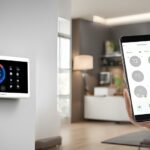
Smart Thermostats
Heating and cooling systems are usually the largest source of household energy usage.
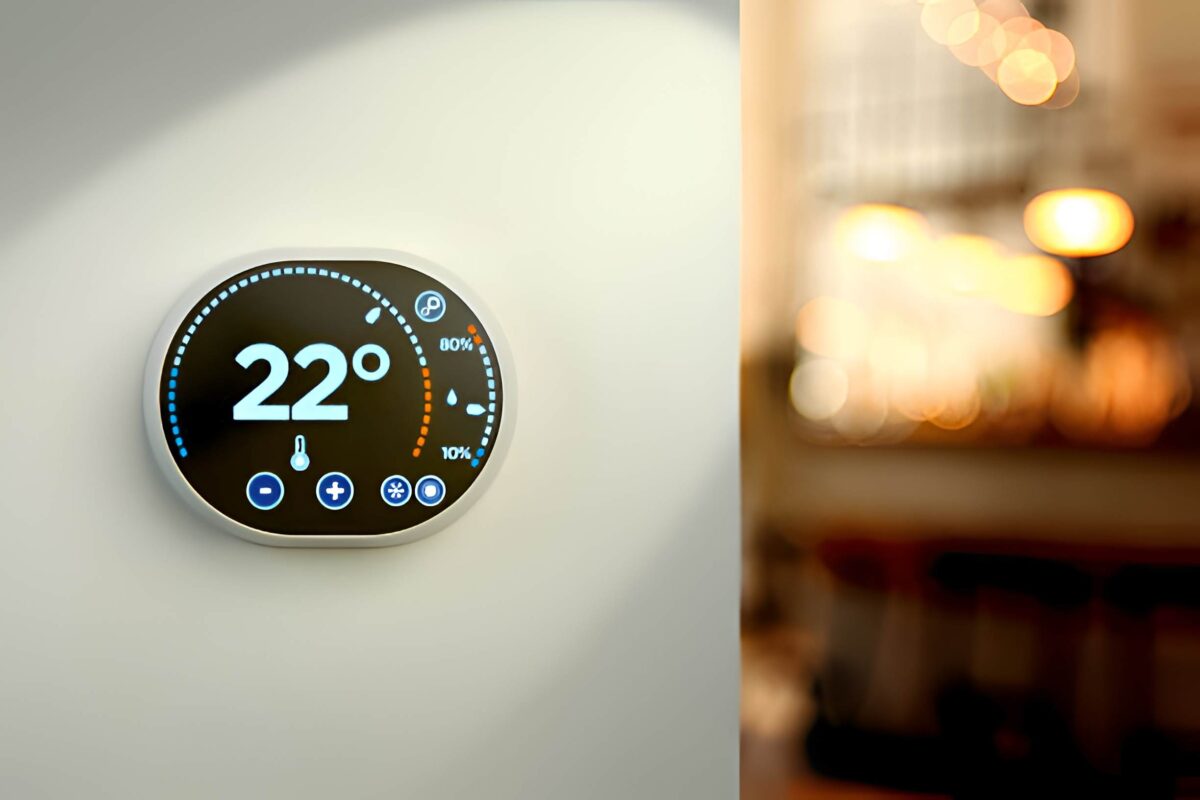
This is why smart thermostats are often considered the most valuable smart energy upgrade.
A smart thermostat automatically adjusts temperatures based on daily routines and schedules.
For example:
- Heating lowers while everyone is asleep
- Cooling reduces when the house is empty
- Temperatures adjust before people arrive home
- Rooms stay comfortable without wasting energy
Many homeowners unknowingly heat or cool empty rooms for hours every day.
Smart thermostats solve this problem automatically.
Some systems also provide detailed energy reports that show how much electricity or heating energy is being used weekly and monthly.
One reason smart thermostats are so effective is that they improve comfort at the same time. People save money without constantly adjusting temperatures manually.
Smart Plugs
Smart plugs are one of the easiest and most affordable ways to improve home energy efficiency.
They connect appliances to smartphone apps and allow homeowners to monitor and control electricity usage remotely.

Many devices continue using electricity even when they appear to be switched off.
This standby power may seem small, but over time it increases electricity bills more than most people expect.
Smart plugs help solve this problem by completely shutting off power when appliances are not needed.
They work especially well for:
- Televisions
- Gaming consoles
- Coffee machines
- Portable heaters
- Chargers
- Kitchen appliances
For example, a family may discover that their entertainment system quietly uses electricity 24 hours a day. Smart plugs can automatically disconnect power during nighttime hours or while nobody is home.
Smart Lighting Systems
One of the biggest reasons people struggle to lower electricity bills is simple:
They do not know where energy is being wasted.
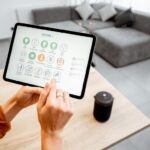
Energy monitoring systems provide real-time information about household electricity usage.
These systems can show:
- Which appliances use the most electricity
- Peak usage times
- Daily energy patterns
- Sudden increases in power usage
This information changes how homeowners think about electricity.
For example, many older refrigerators, electric heaters, or outdated appliances use far more electricity than expected.
Once people can actually see their electricity usage data, reducing waste becomes much easier.
How Solar Energy Fits Into Smart Homes
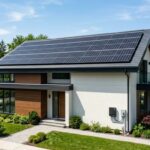
Solar power is becoming increasingly popular in modern homes.
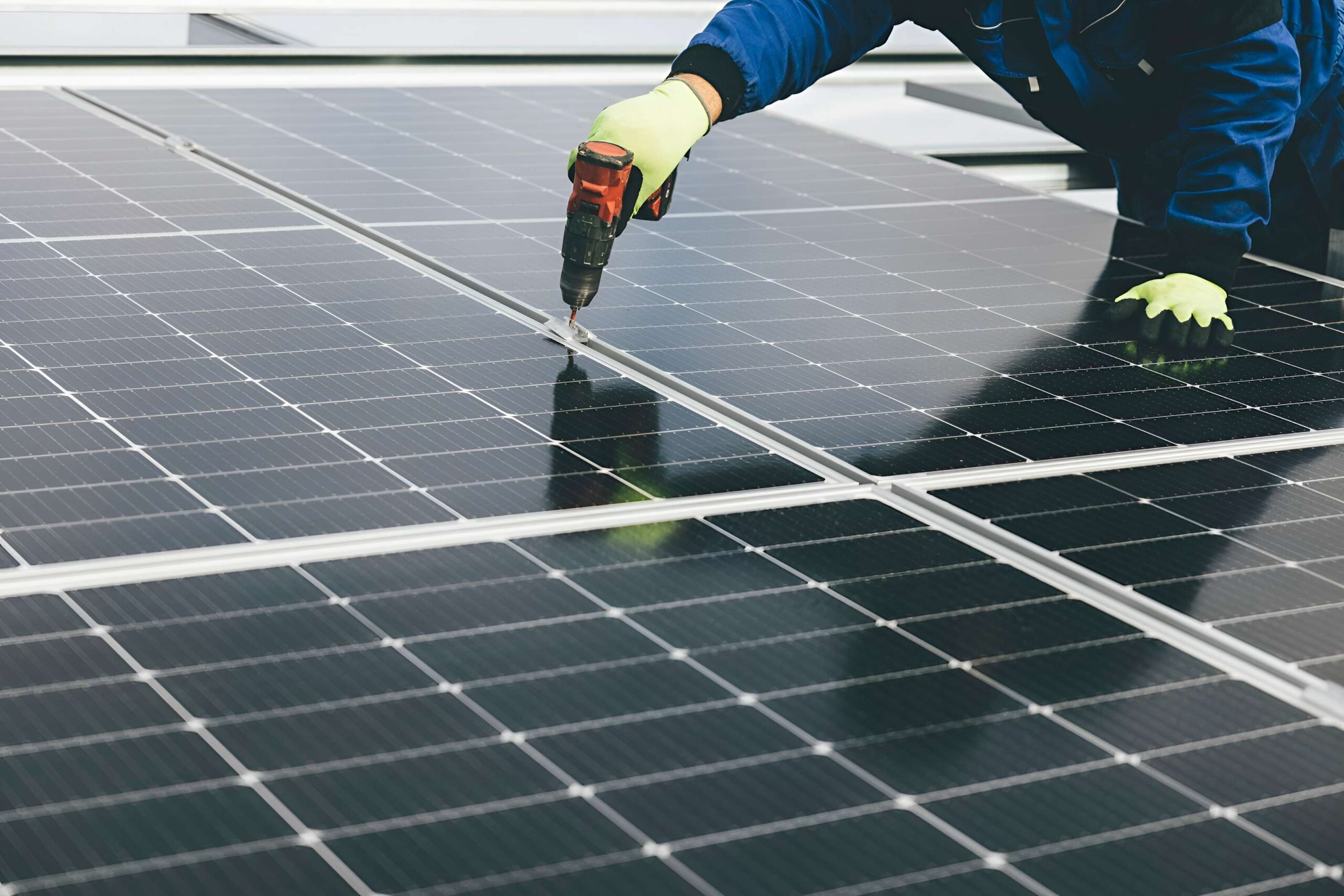
However, solar panels alone do not automatically create maximum savings.
Smart energy management systems help homeowners use solar power more effectively.
A smart solar setup can:
- Track solar energy production in real time
- Monitor battery storages
- Run appliances during peak solar hours
- Reduce expensive grid electricity usage
- Improve long-term efficiency
For example, a smart system may automatically run a dishwasher or charge an electric vehicle during the afternoon when solar production is highest.
This helps homeowners rely more on self-generated electricity instead of expensive power from the grid.
Common Smart Home Energy Mistakes
Not every homeowner gets great results from smart home systems.
Often, the issue is not the technology itself but the way people use it.
Buying Too Many Devices Too Quickly
One of the most common mistakes is trying to automate the entire house immediately.
People Buy:
- Smart lights
- Cameras
- Sensors
- Speakers
- Thermostats
- Smart locks
- Smart appliances
This often creates confusion instead of efficiency.
A better approach is to start with the upgrades that make the biggest difference first:
- Smart thermostat
- Smart plugs
- Energy monitor
- Smart lighting
Once homeowners understand their energy habits, expanding the system becomes much easier.
Ignoring Energy Reports
Many people stop checking their smart energy apps after the first few weeks.
That is a mistake because long-term energy reports reveal useful patterns.
For example:
- Which times of day are most expensive
- Which appliances waste electricity
- Seasonal energy changes
- Opportunities to reduce usage
Small changes based on this information can create noticeable savings over time.
Buying Cheap, Unreliable Devices
Very cheap smart devices often suffer from:
- Weak Wi-Fi connections
- Poor software support
- Frequent disconnects
- Compatibility issues
- Security problems
This leads some homeowners to believe smart home technology is unreliable
Usually, the real issue is poor-quality hardware.
Investing in trusted brands with reliable apps and long-term support makes a major difference.
Are Smart Home Energy Systems Worth the Cost?
For many households, yes.
However, the amount of savings depends on several factors, including:
- Home size
- Insulation quality
- Heating and cooling systems
- Electricity prices
- Daily habits
A poorly insulated home may still waste large amounts of energy regardless of smart technology.
That is why the best results usually come from combining smart systems with basic energy improvements such as:
- Better insulation
- LED lighting
- Energy-efficient appliances
- Window sealing
- Modern heating systems
Still, many homeowners discover that the biggest benefit is not just lower bills.
Being able to control temperatures remotely, automate routines, monitor electricity usage, and manage appliances from a smartphone makes everyday life much easier.
The Future of Smart Home Energy
Smart home energy systems are evolving quickly.
Artificial intelligence is starting to play a much larger role in modern automation systems.
Future smart homes may include:
- AI-based energy optimization
- Automated electricity scheduling
- Smarter battery storage
- Predictive heating and cooling systems
- Intelligent EV charging schedules
- Advanced solar energy management
At the same time, smart electricity grids are becoming more advanced in many countries.
Homes are slowly becoming active participants in energy networks instead of simply consuming electricity passively.
This could significantly improve household energy efficiency in the coming years.
Final Thoughts
In 2026, reducing electricity bills has become more important than ever.
Energy prices continue to rise while homes use more electricity every year.
Smart home energy systems offer a practical solution.
The best part is that homeowners do not need to completely transform their homes overnight
Starting with simple upgrades like smart thermostats, smart plugs, or energy monitoring systems can already make a noticeable difference.
Over time, these tools help households waste less energy, improve efficiency, and gain better control over monthly electricity costs without sacrificing comfort.
If you are just starting your smart home energy journey, begin with the basics, focus on practical upgrades, and slowly build a system that matches your home’s real needs.
Table of Contents
Which smart device saves the most electricity?
For most homes, smart thermostats provide the biggest energy savings because heating and cooling systems usually consume the most electricity.
Do smart home devices reduce electricity bills?
Yes, devices like smart thermostats, smart plugs, and energy monitors can help reduce electricity waste and lower monthly energy costs.
Are smart home systems difficult to install?
Most modern smart home devices are beginner friendly and include simple mobile apps with step-by-step setup instructions.